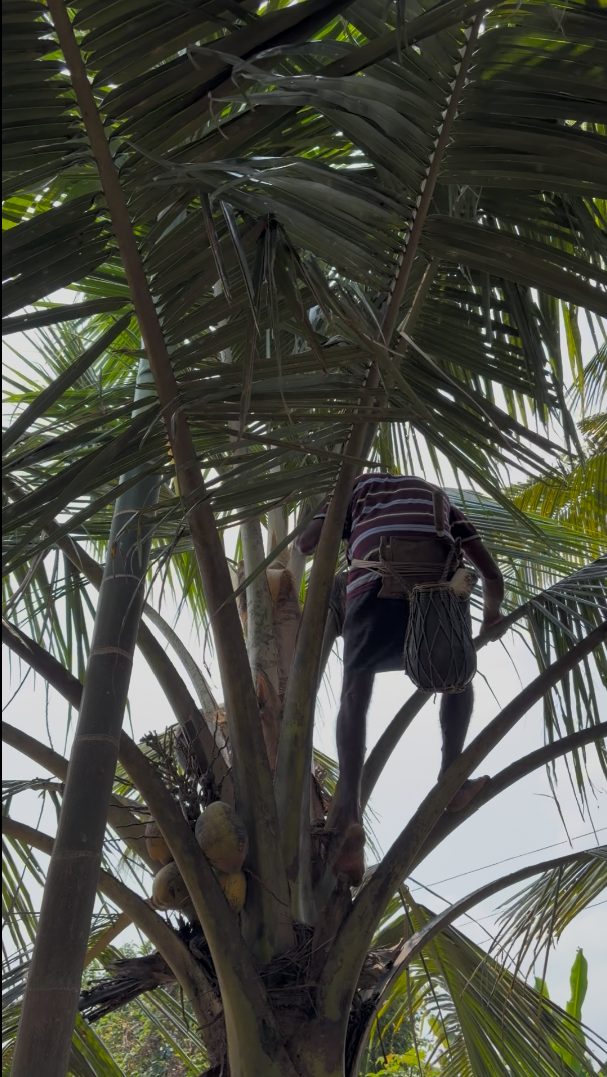
The journey experience
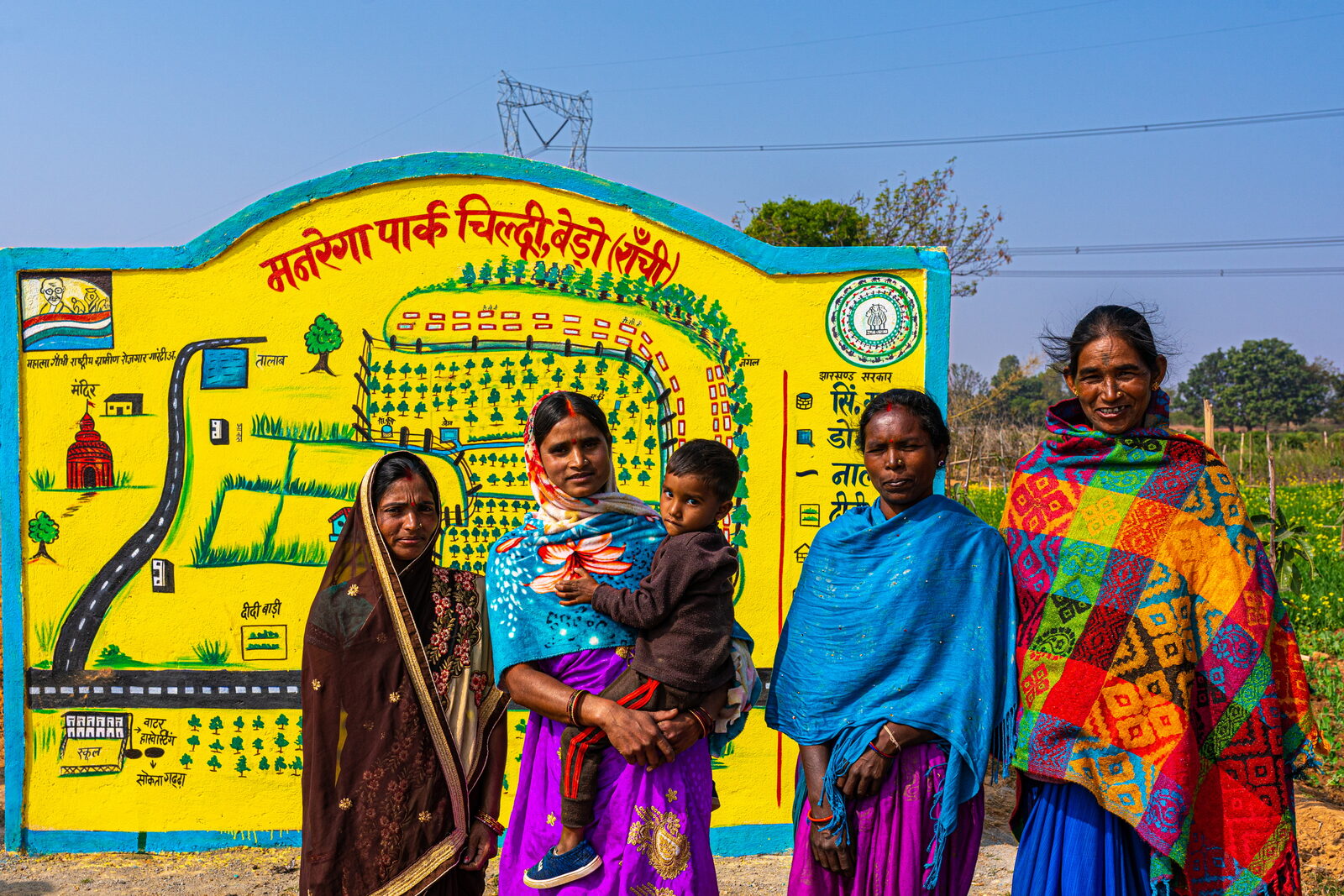
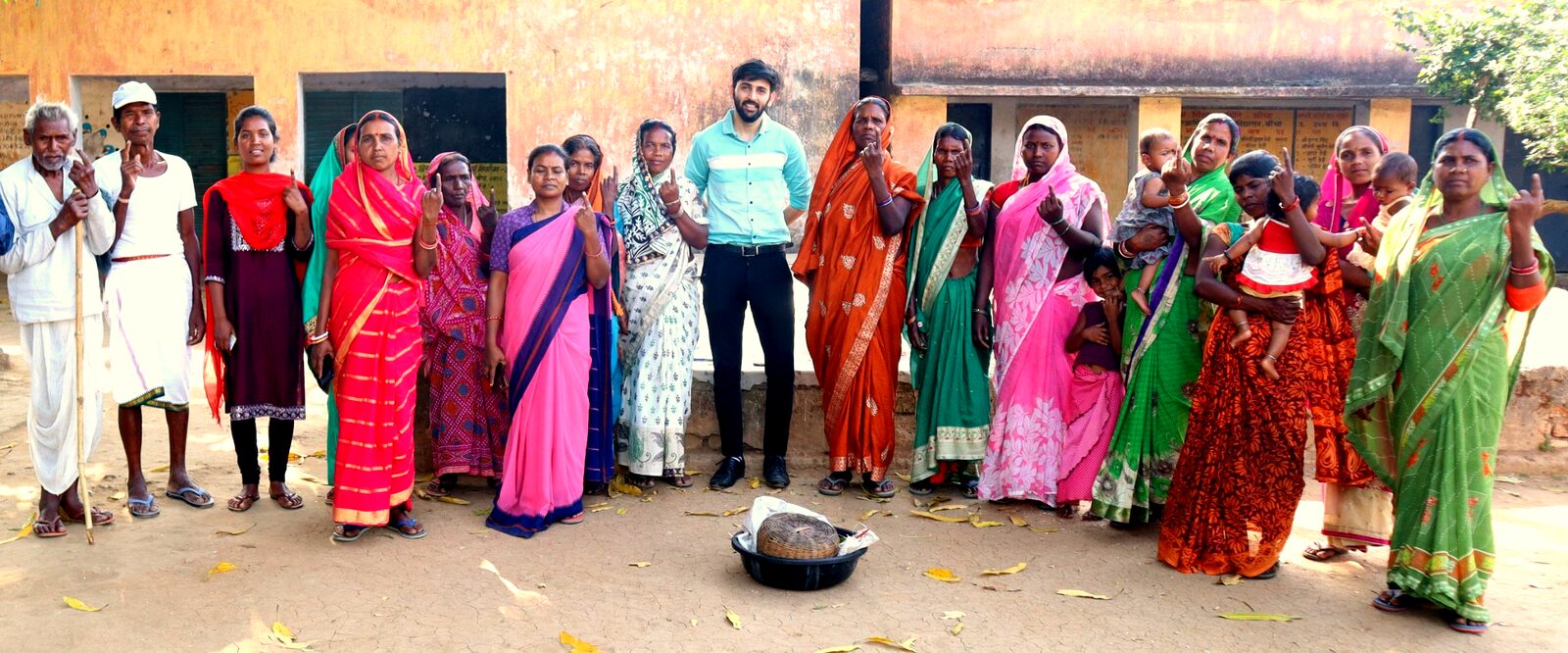
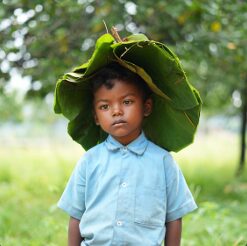
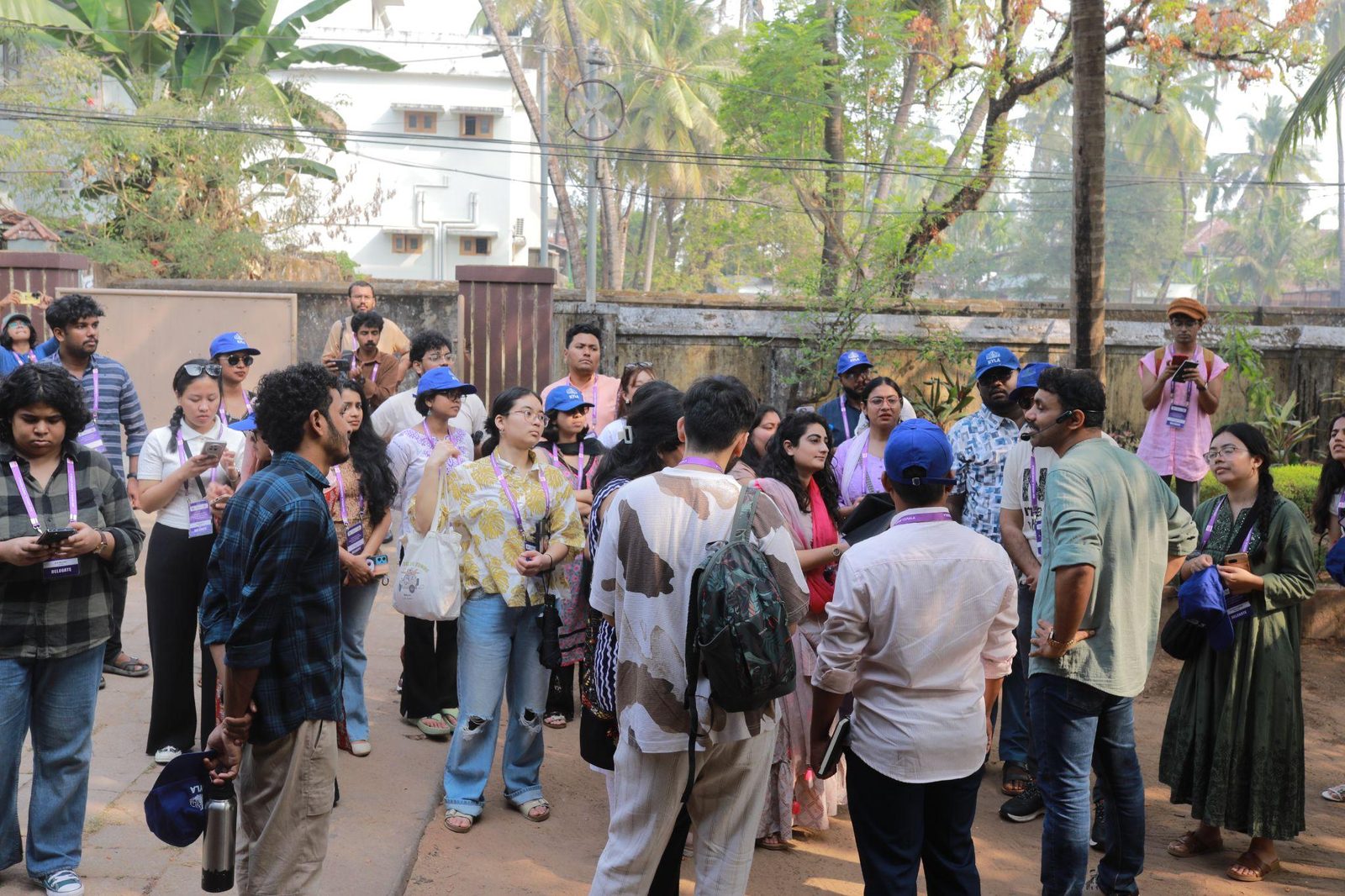
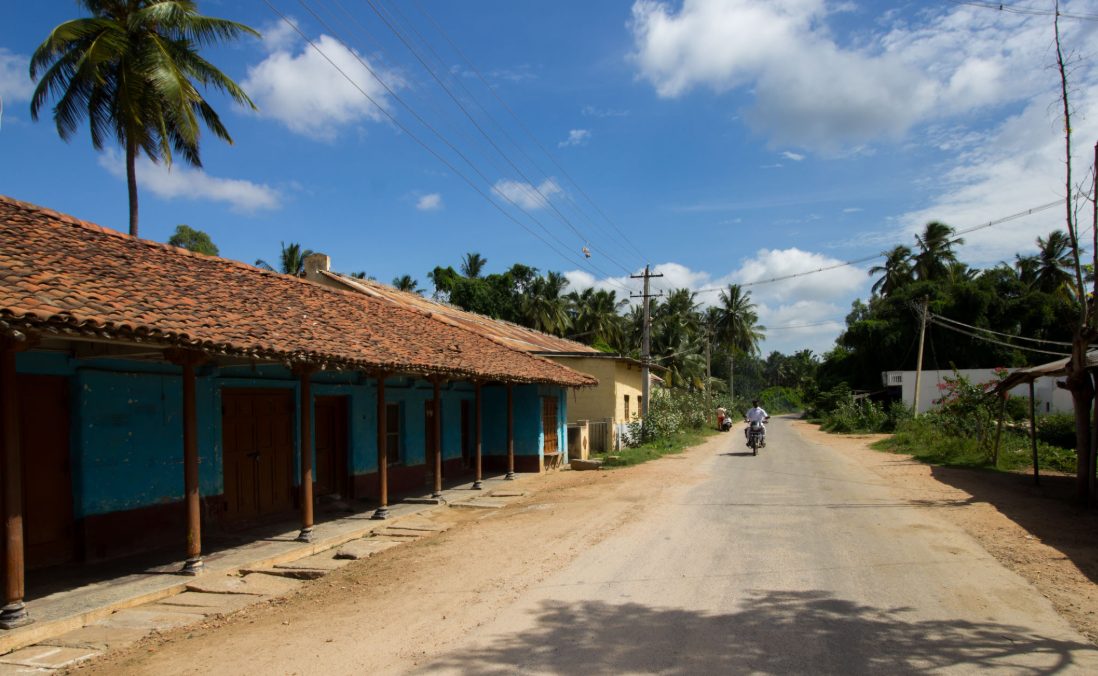
The Great Indian Journey is an invitation to experience the place through its grassroots, culture, traditions and the stories that shape the land. A curated cohort of 10–15 young delegates from diverse backgrounds and regions travels across the state — immersing with local communities, discovering their innovations, their development models and a cultural richness that rarely surfaces beyond headlines and statistics.
We are your hosts and guides here — not a tour operator. Some of the most meaningful lessons are found not in conference rooms but in conversations around a village courtyard, on a forest trail, or while listening to a community's story. At its heart, this is about connection — between people, places, and perspectives.
Stay
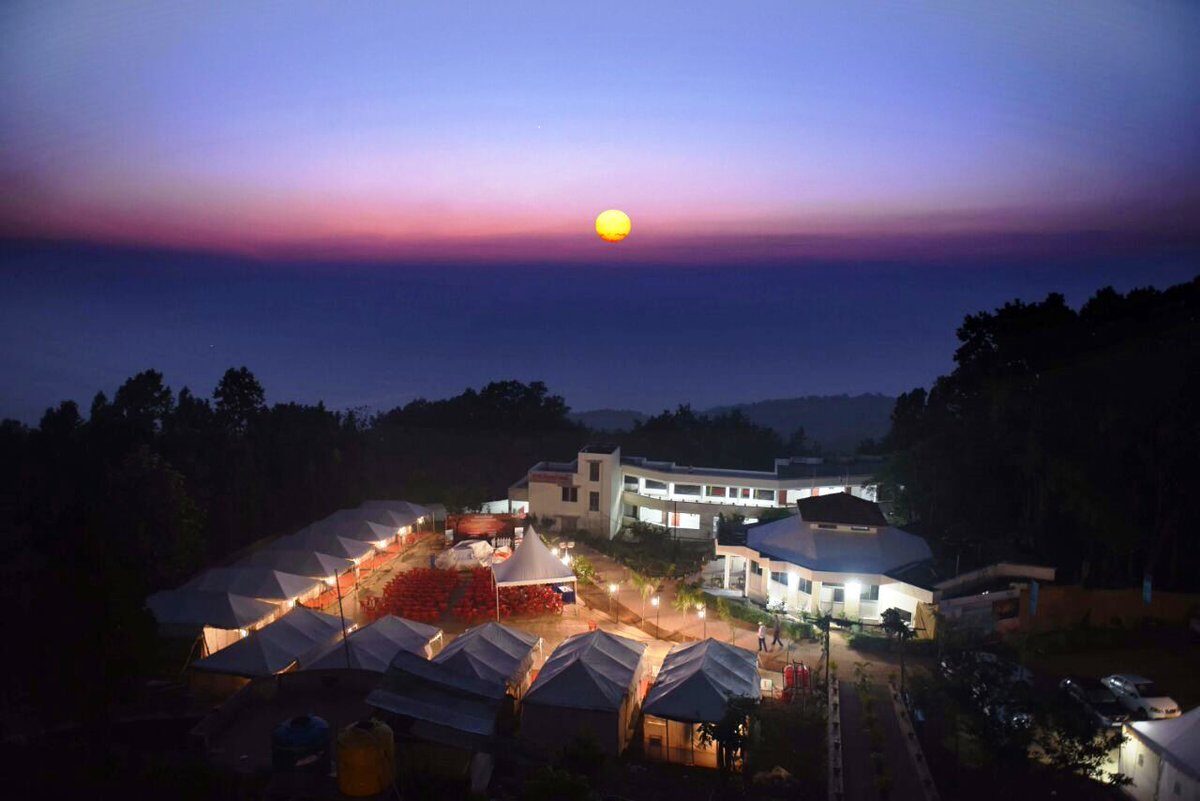
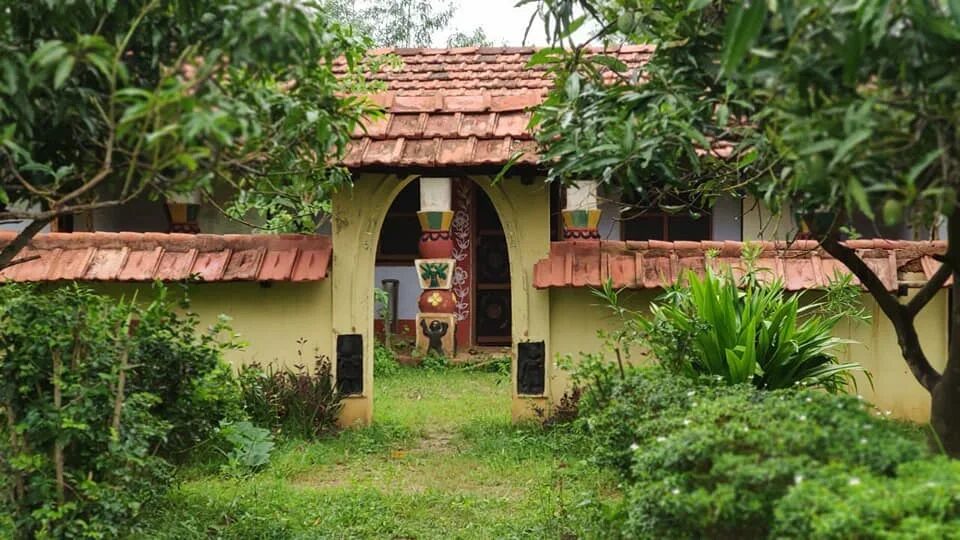
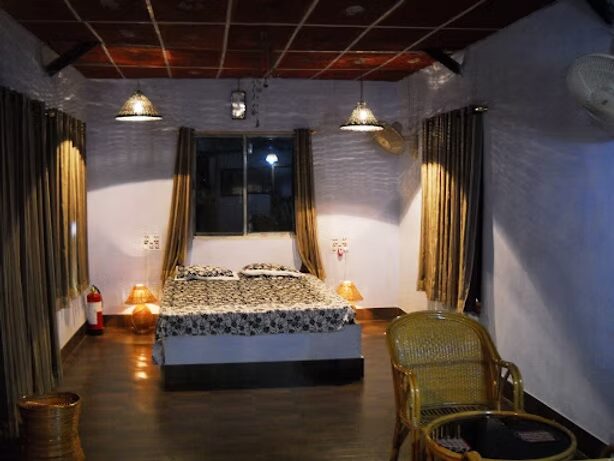
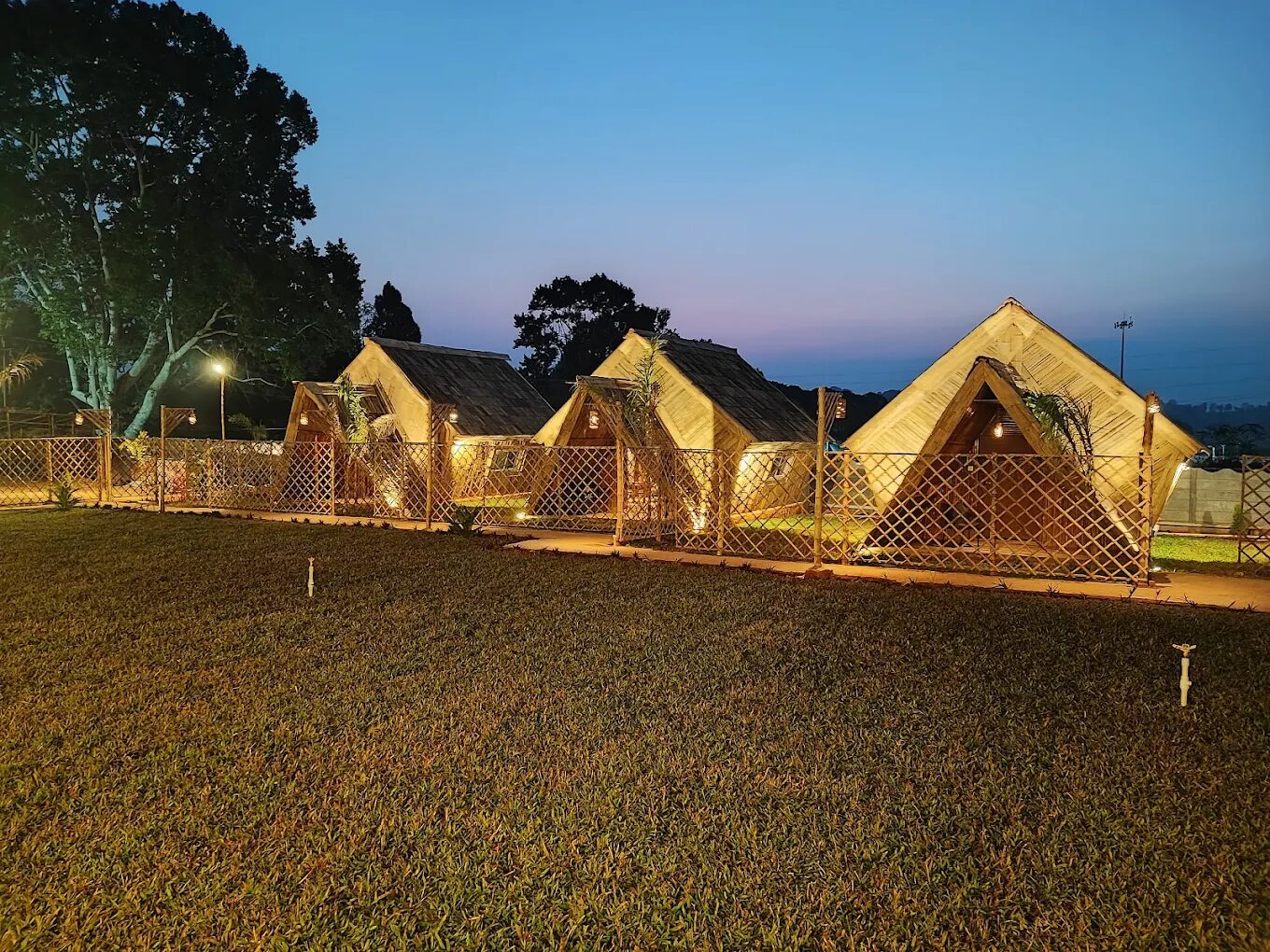
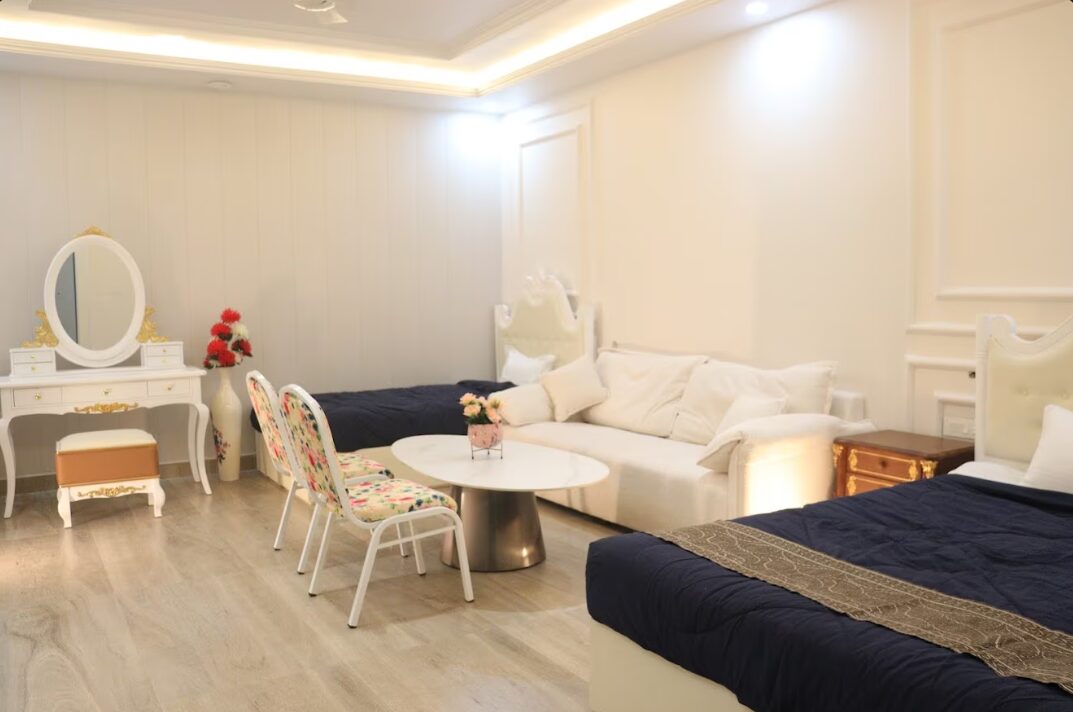
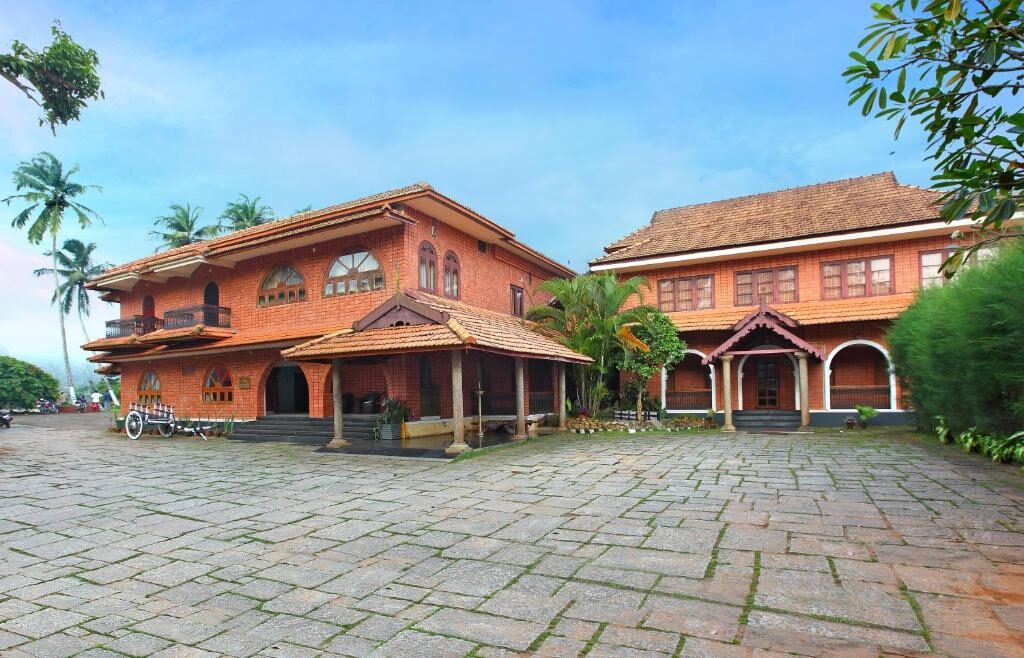
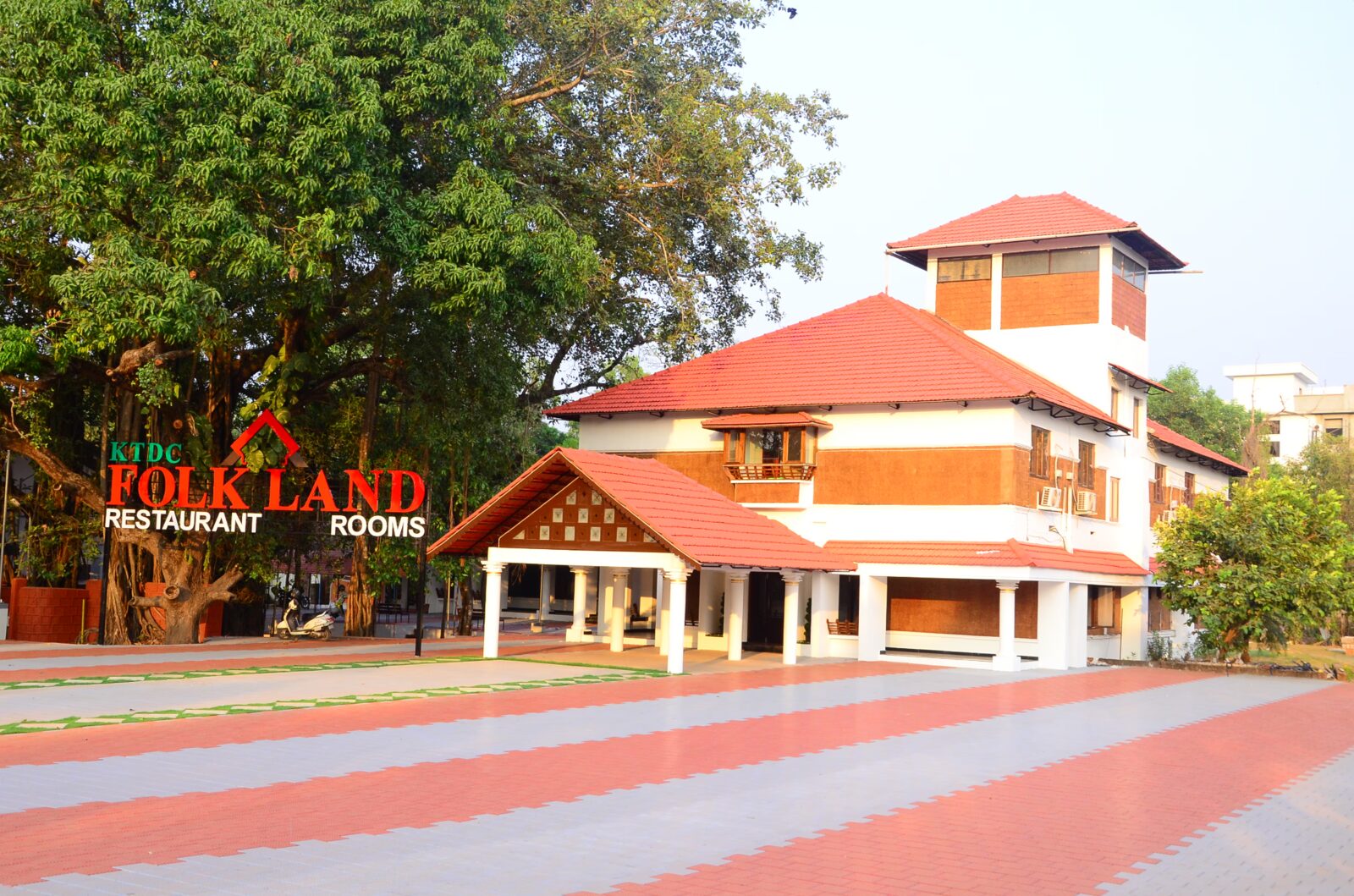
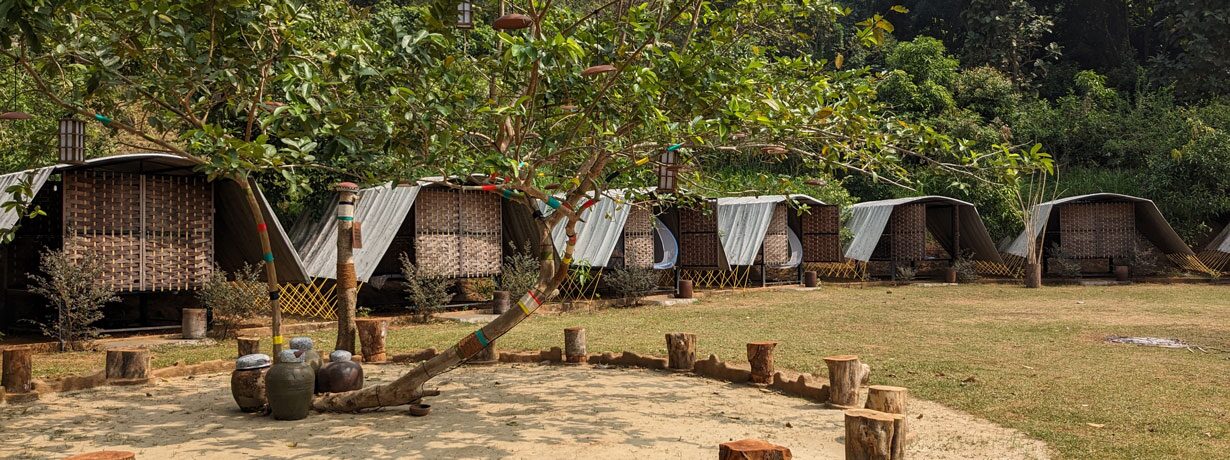
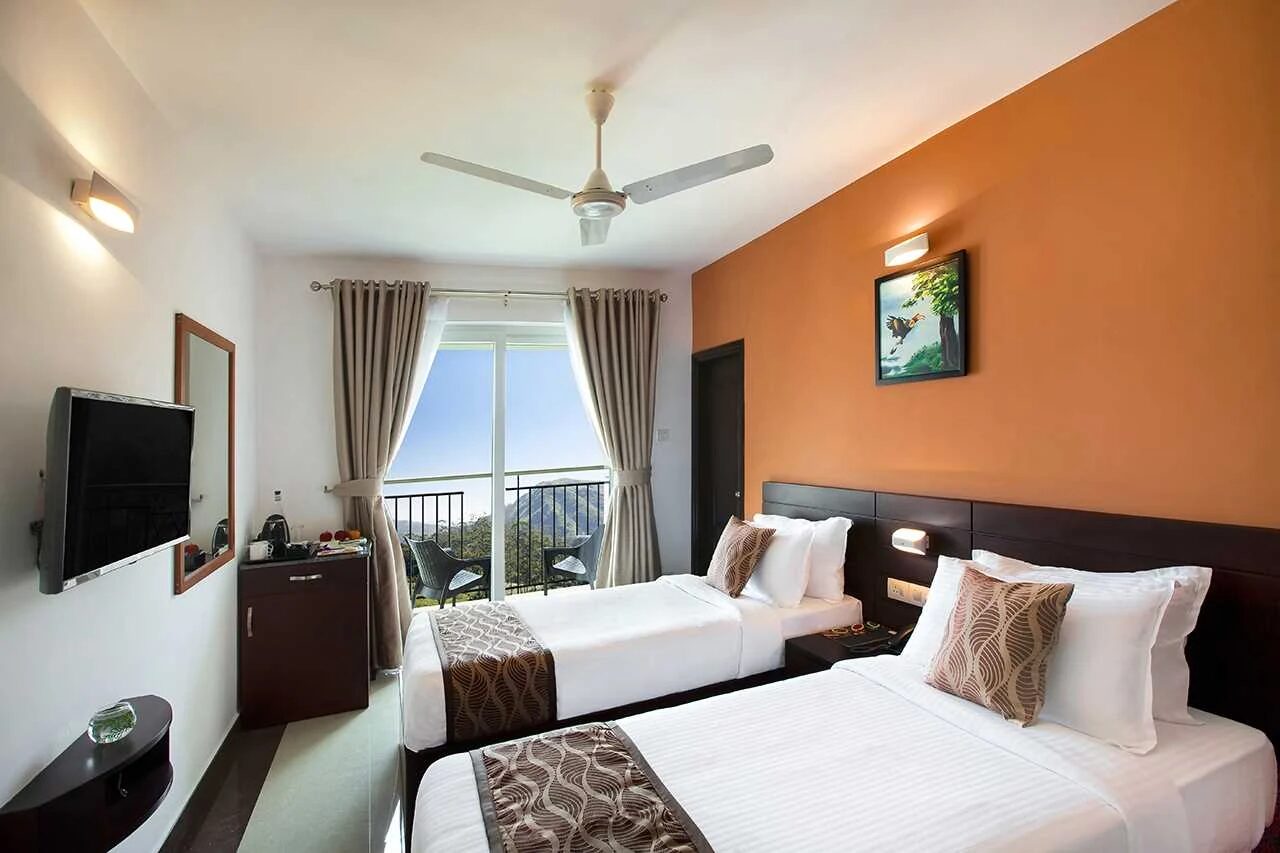
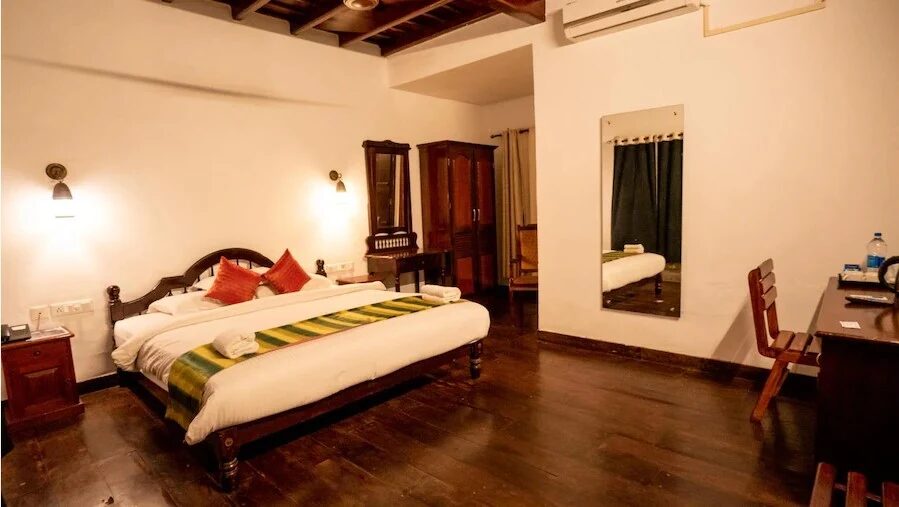
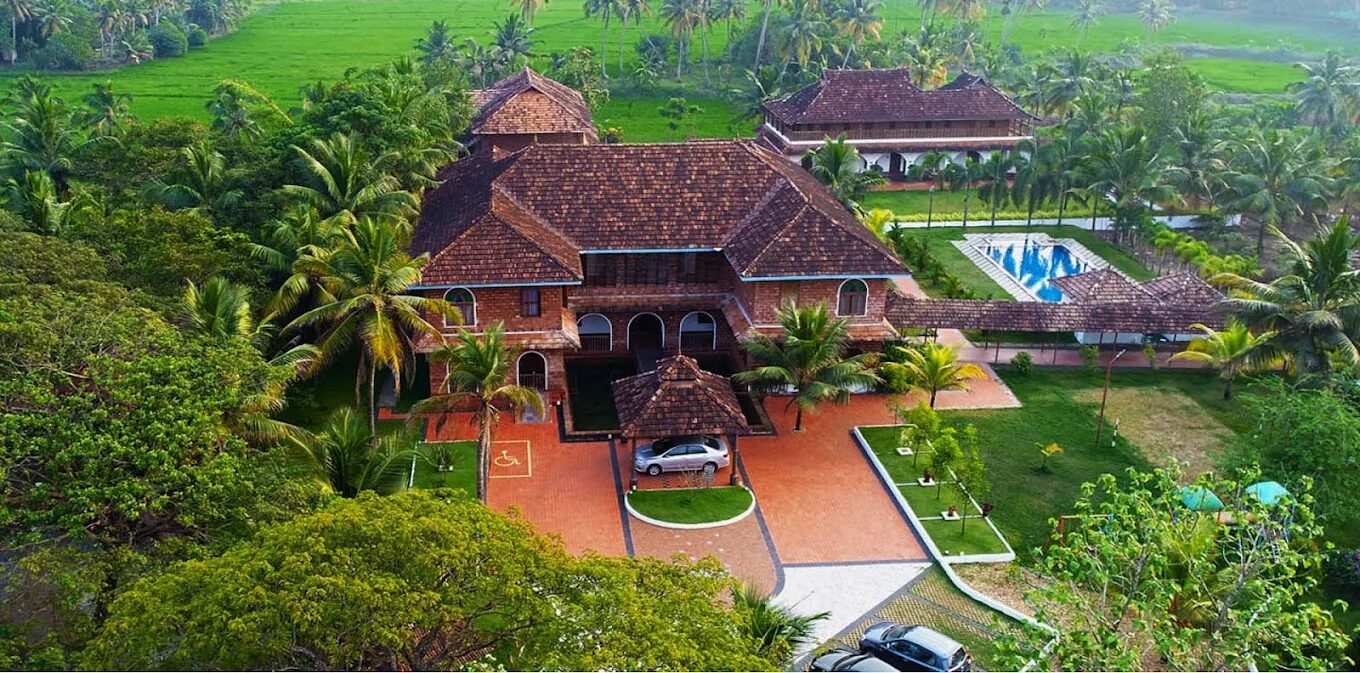
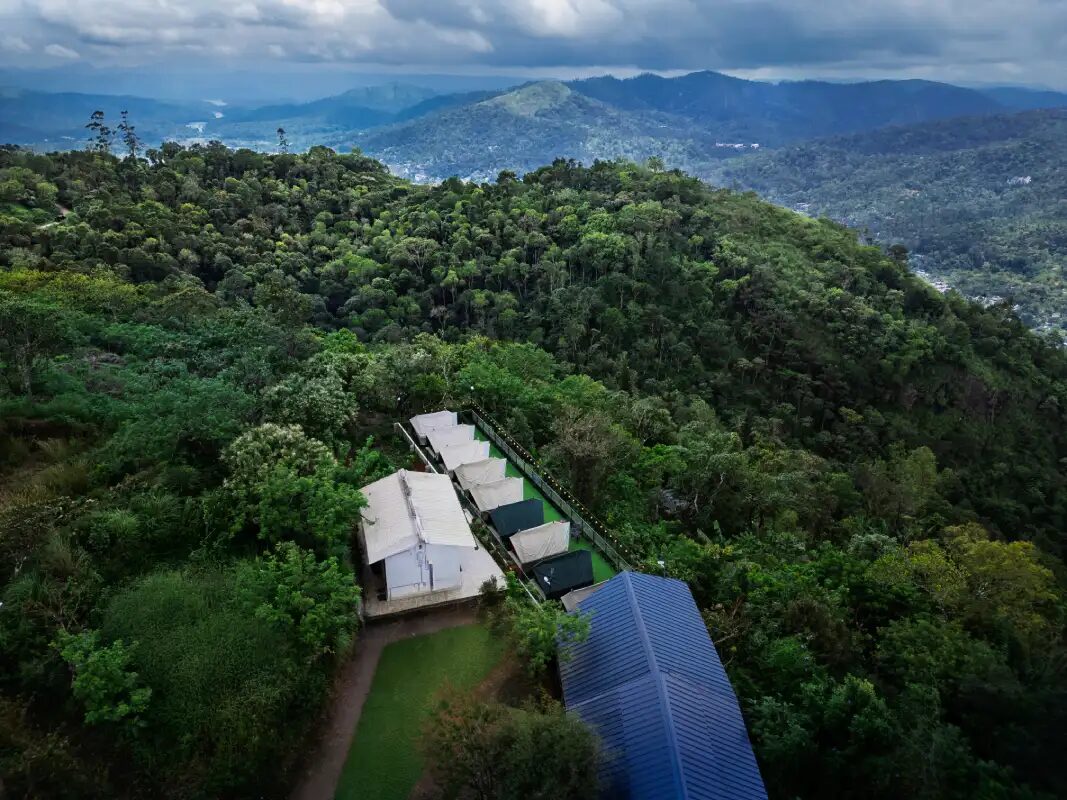
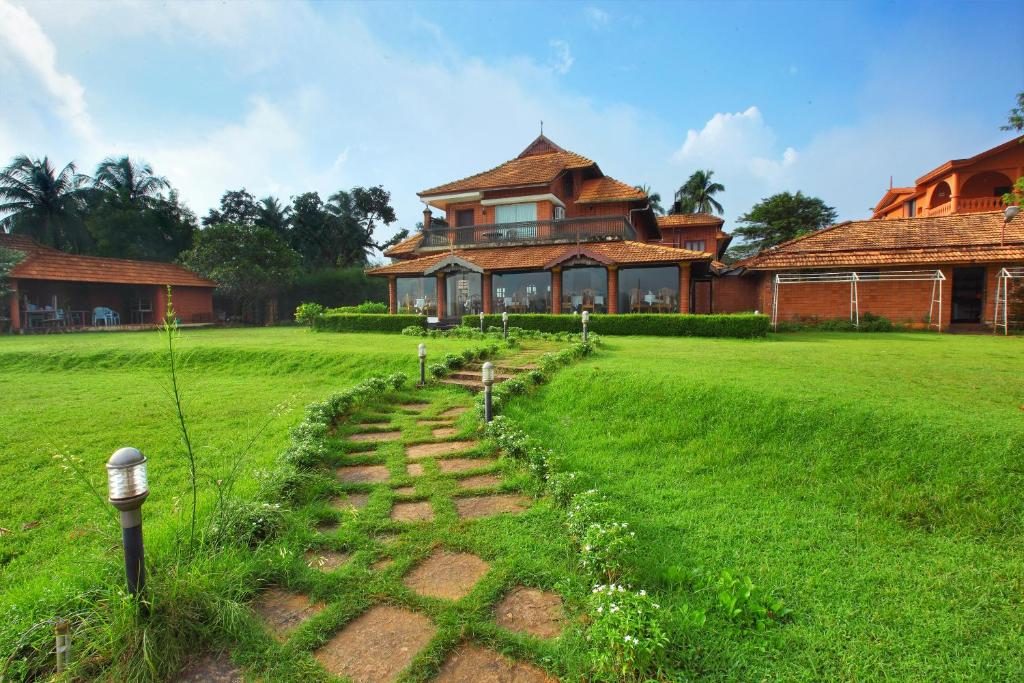
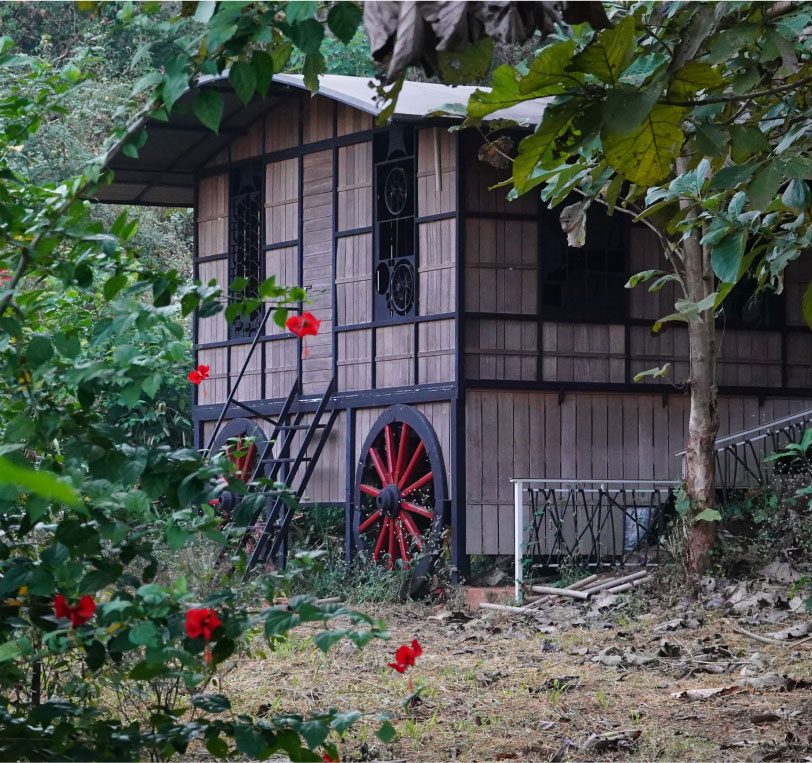
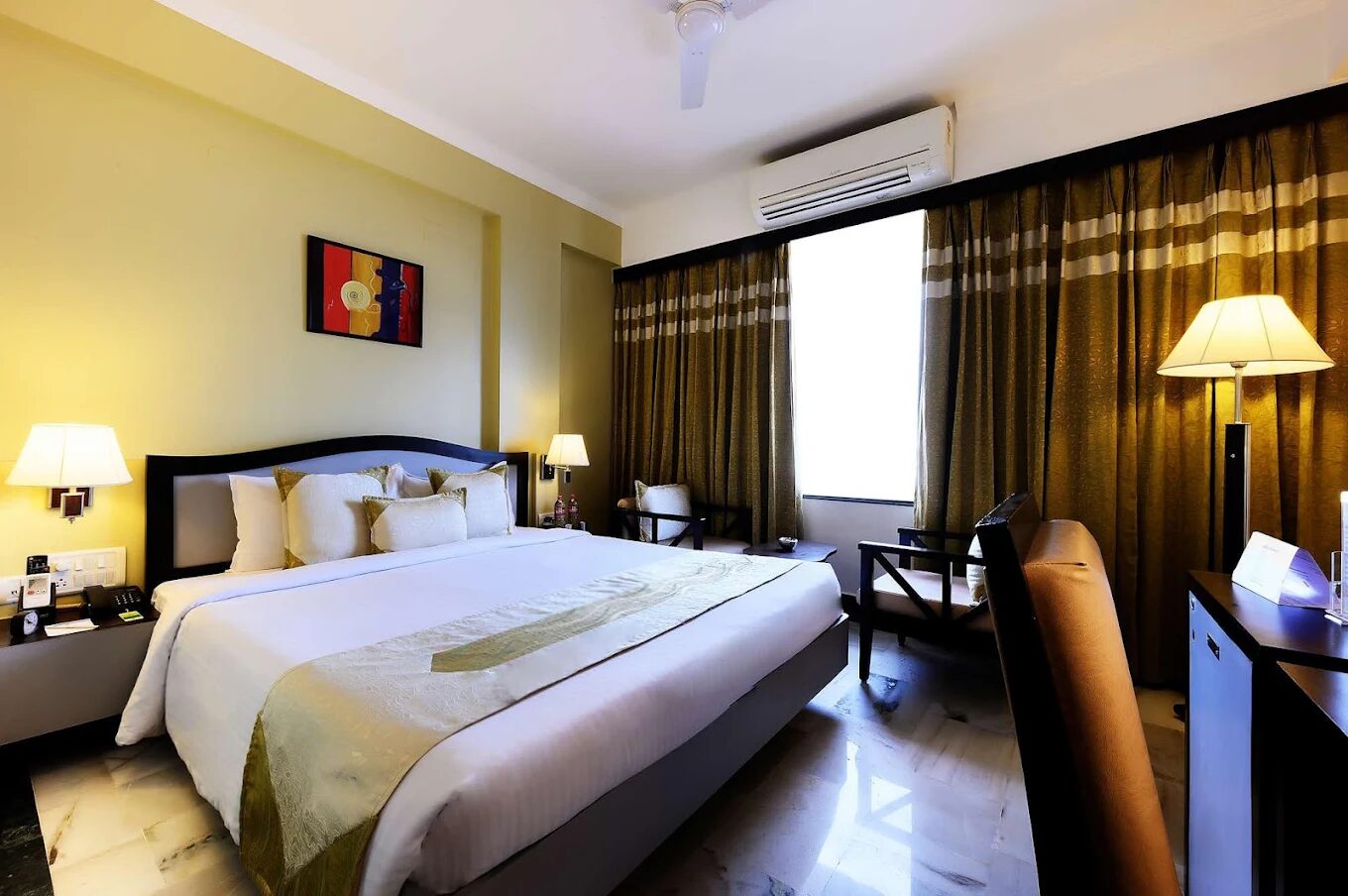
Every stay is handpicked — a blend of premium 4-star and village stays deep in the interior. Places that feel raw and push boundaries, the kind you remember long after you leave.
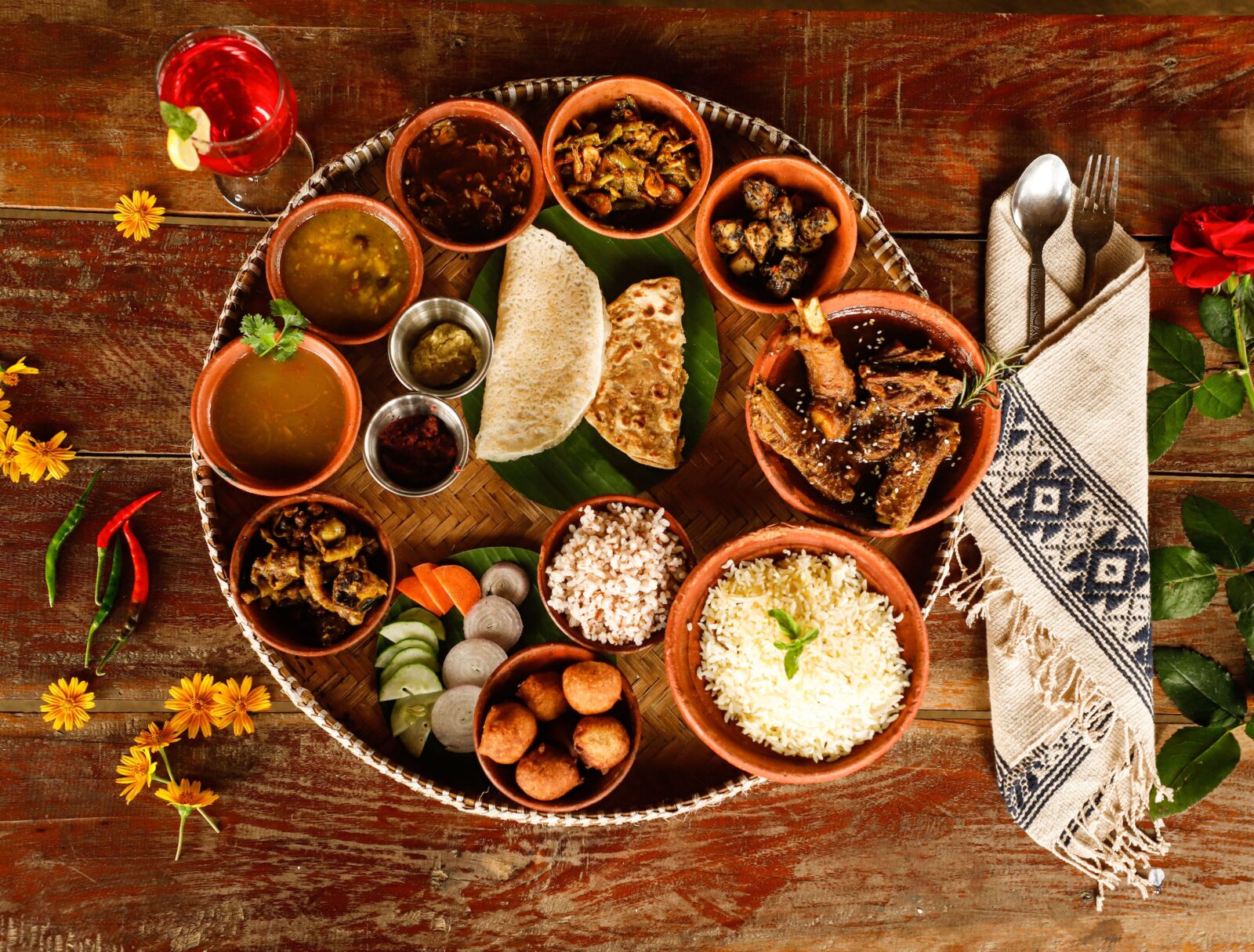
Food
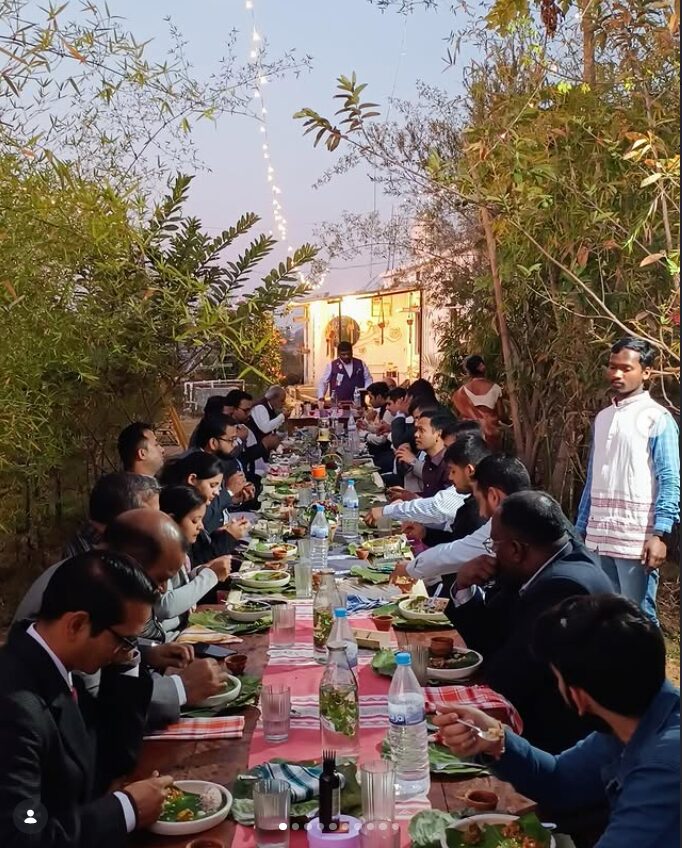
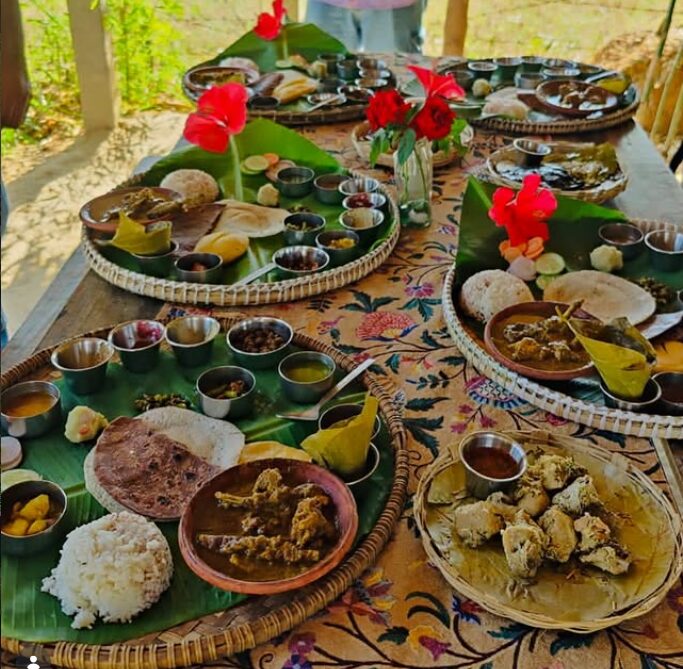
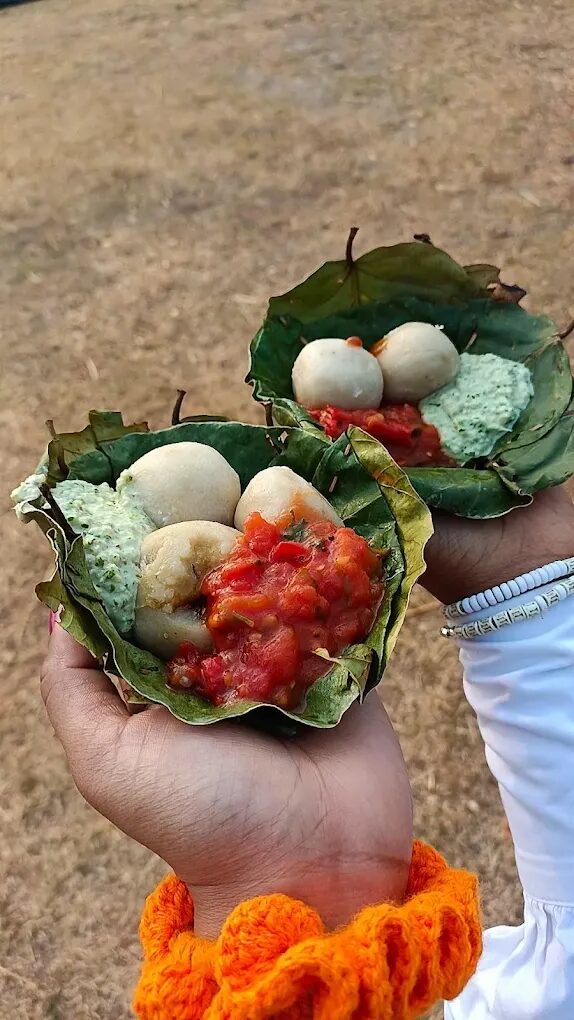
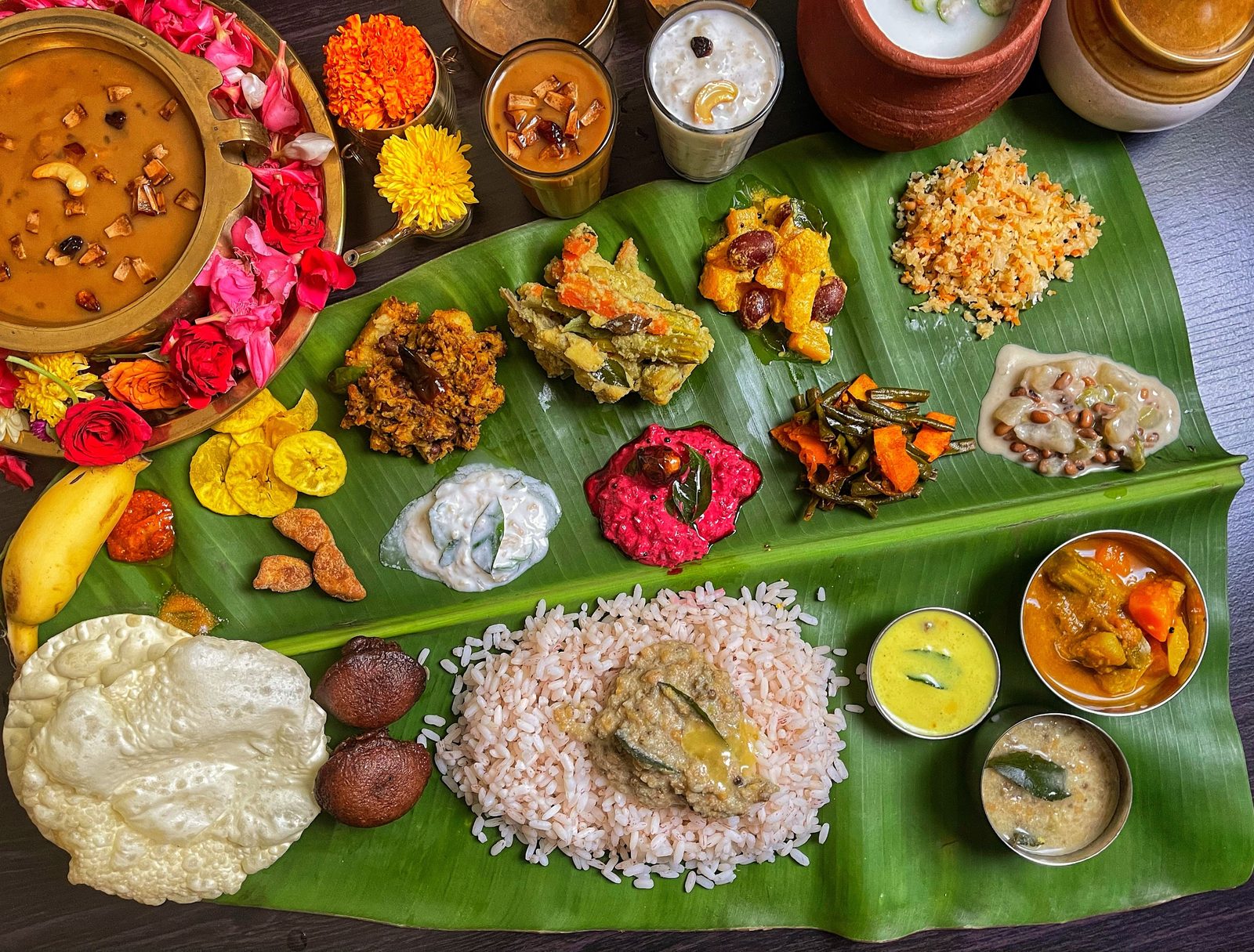
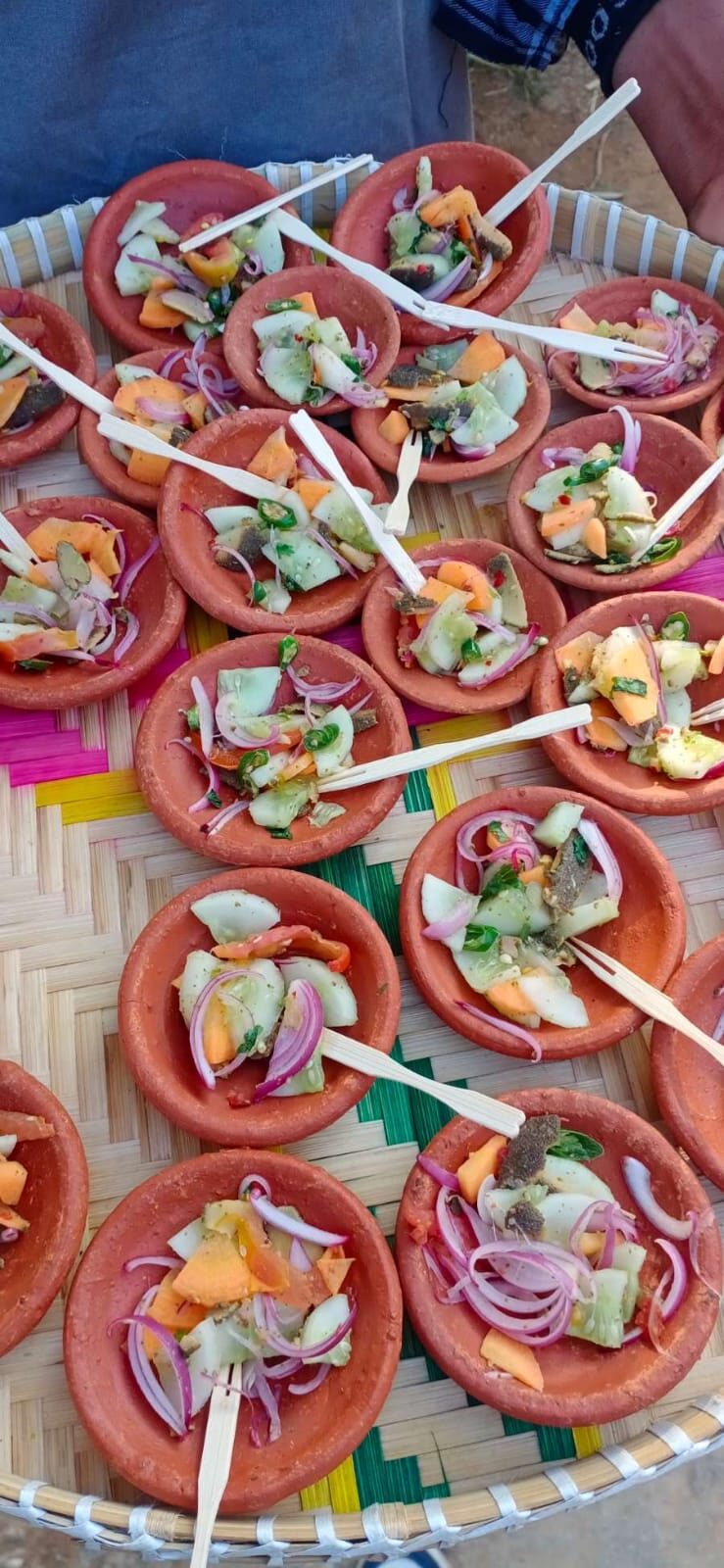
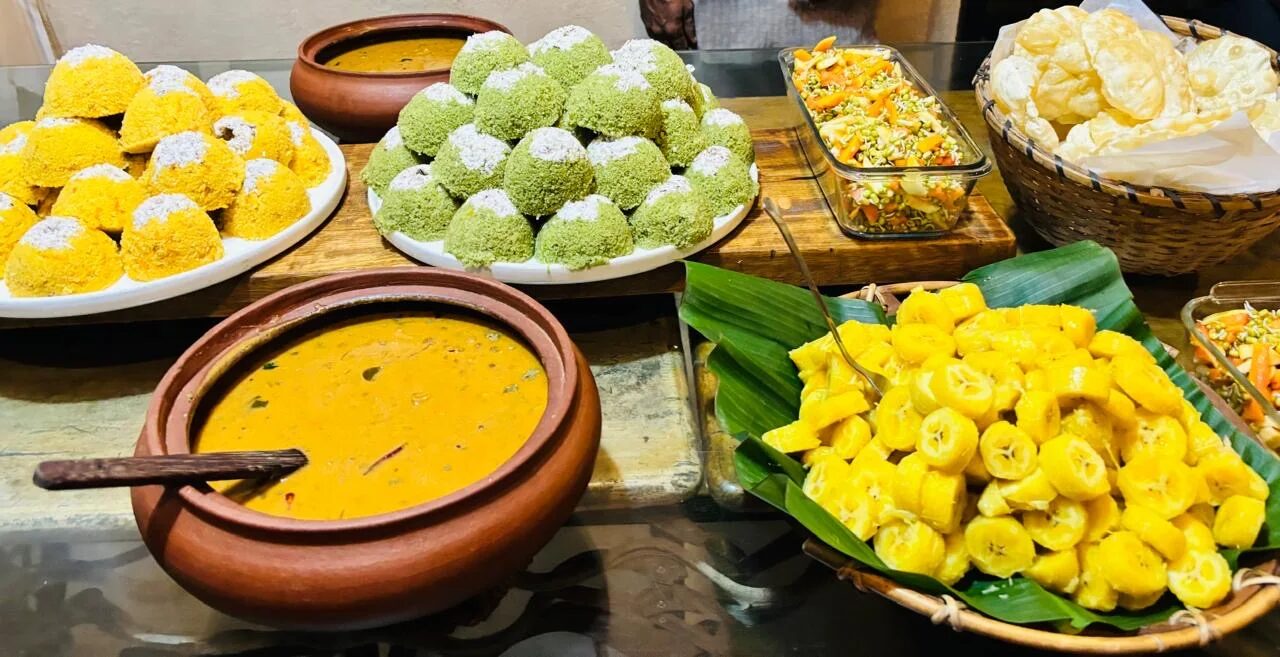
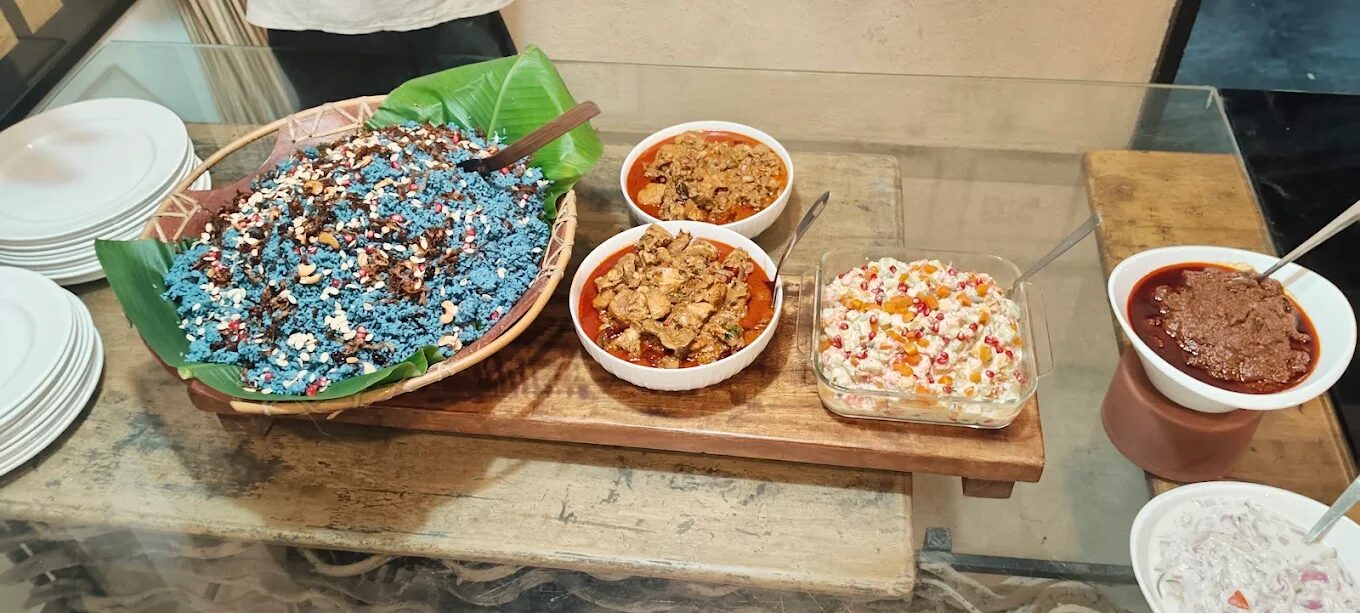
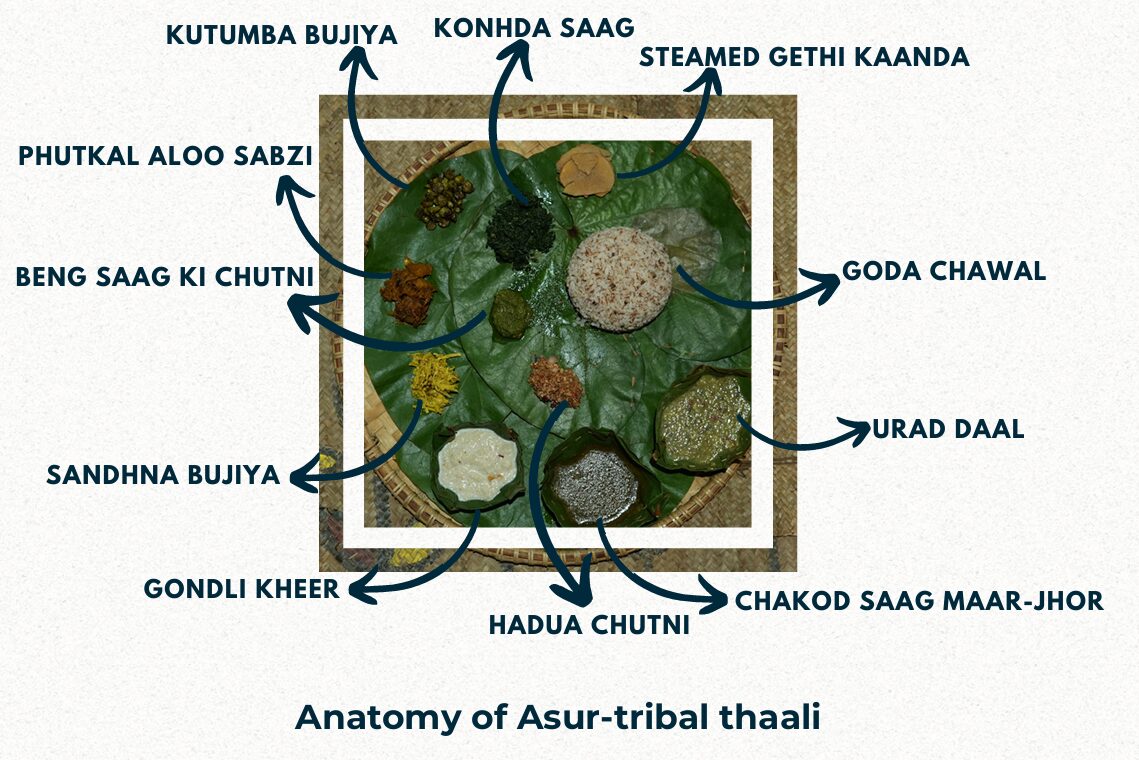
A cuisine that reflects the rich traditional knowledge of the region, deeply connected to nature and sustainability.
Travel
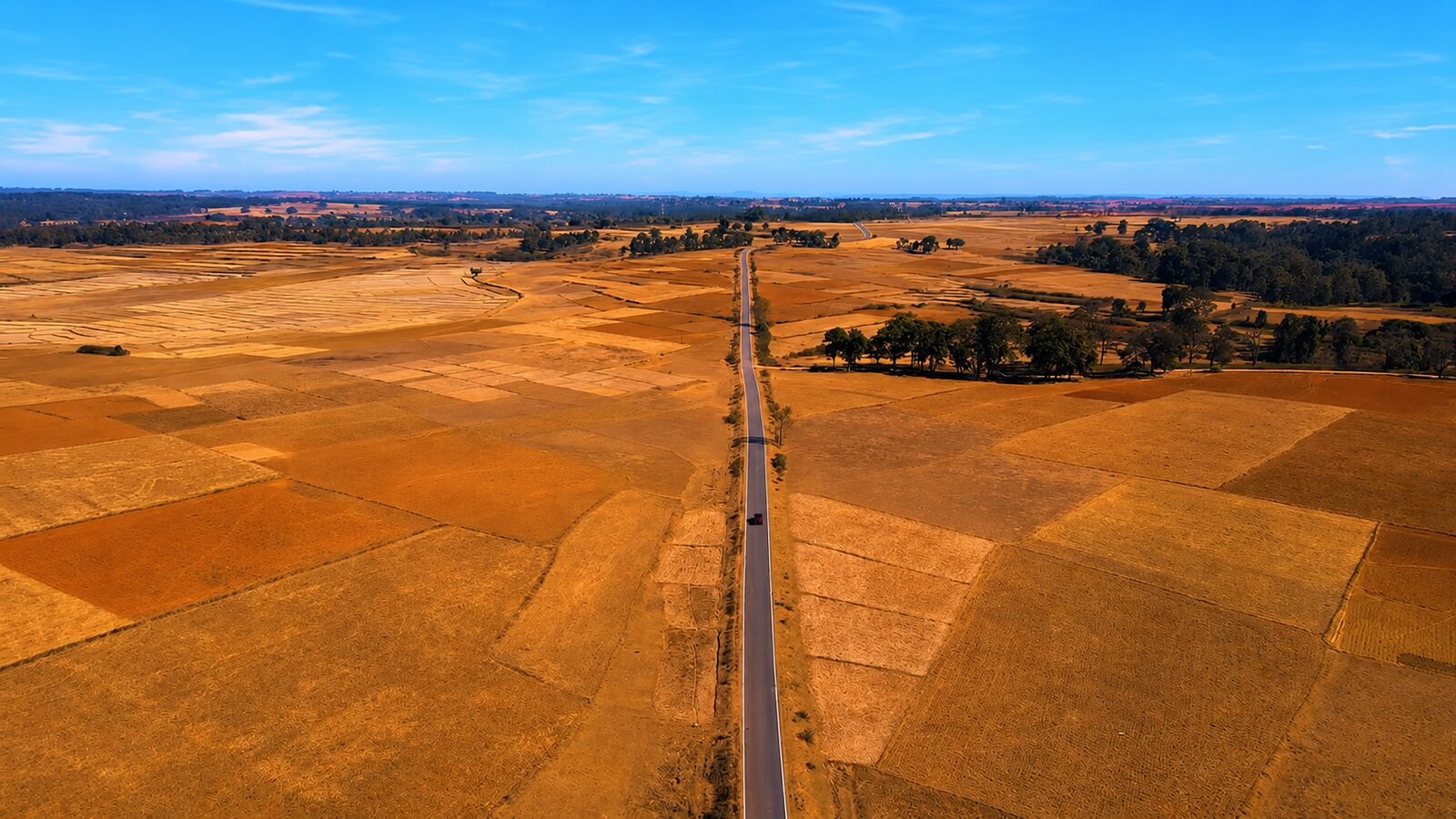
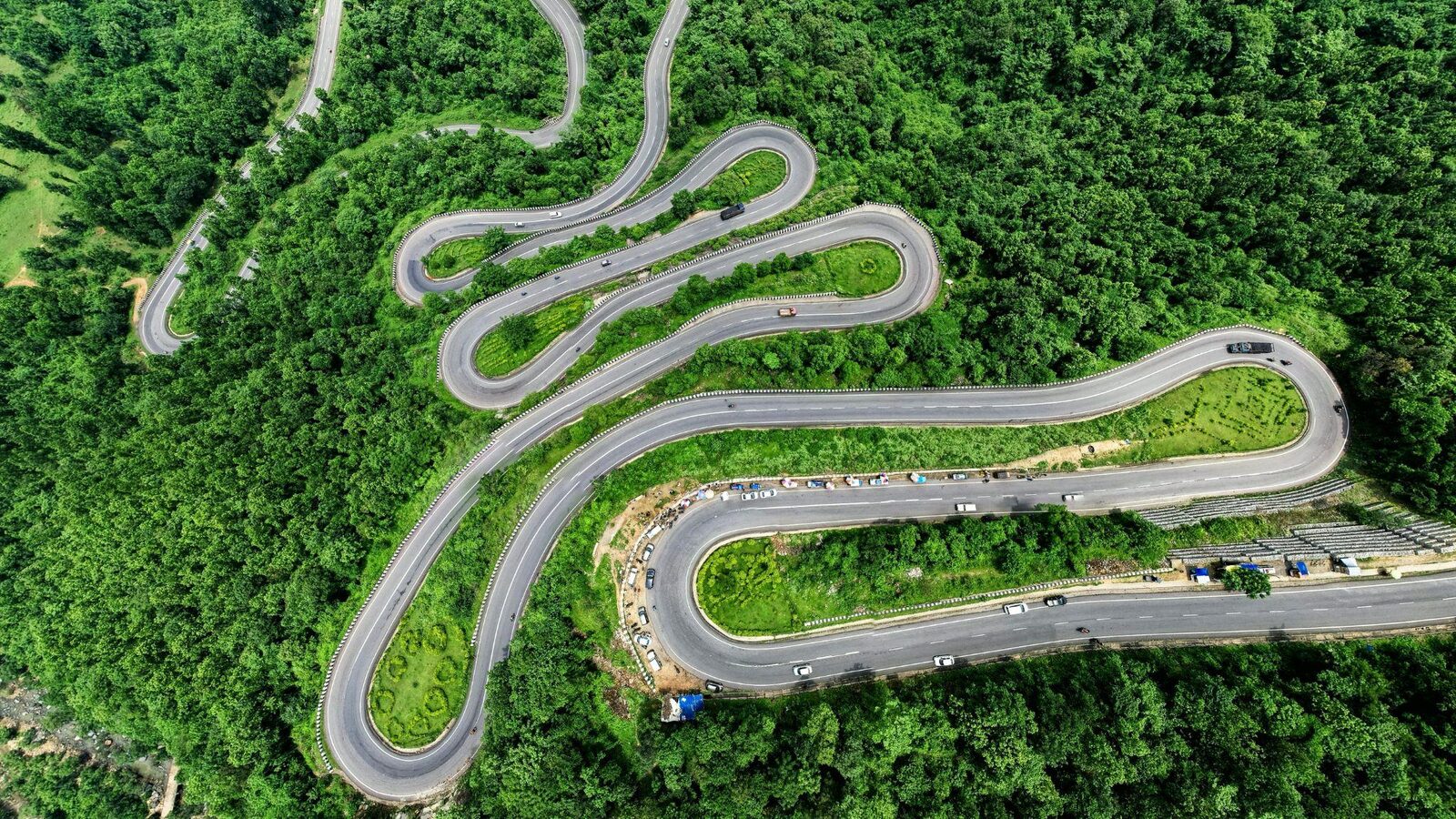
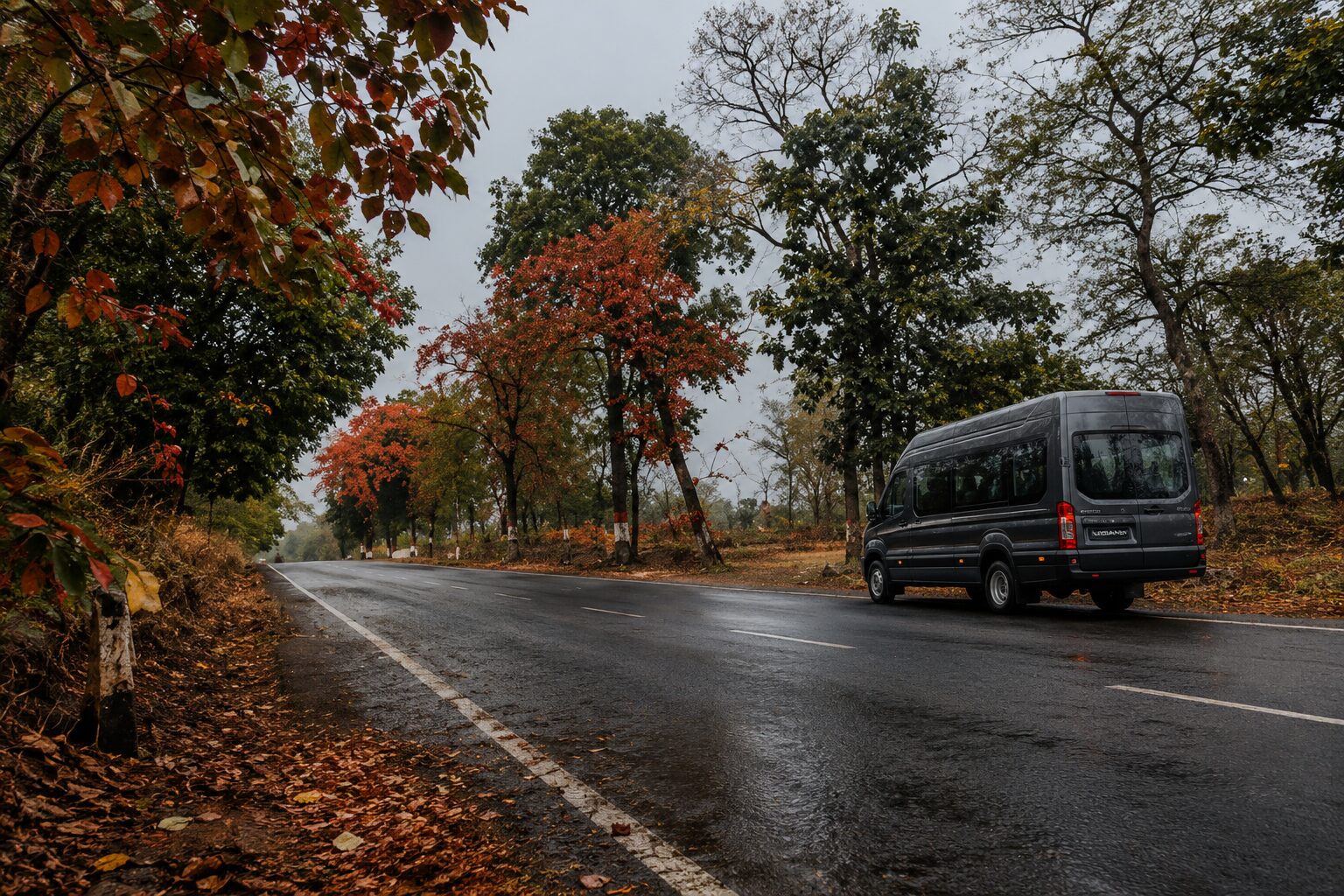
From airport pickup to drop-off, every journey in between is handled — choosing scenic routes so each travel day feels like part of the journey, not a disruption to it.
Encounters
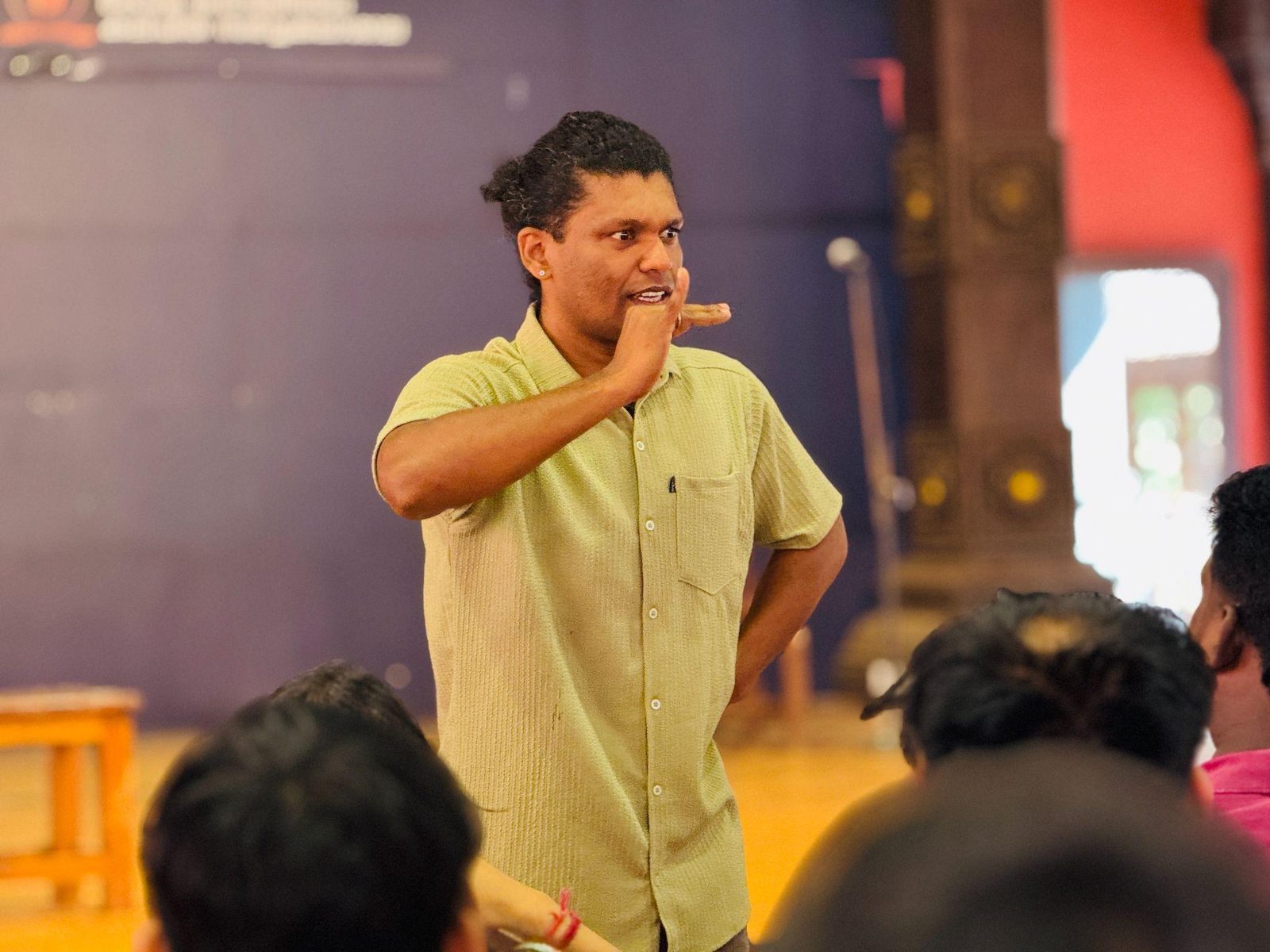
Curated workshops and interactions exploring culture, handicrafts and governance in their most authentic form — designed to make meaningful memories with people and places, and reconnect you to yourself.
The nine days
Four cohorts, one shape — same structure, same places, different faces. There are parts of this trip we won't spell out in advance. Some things are better when you just show up for them.
The moment you land, the welcome begins. No rush — we gather as a small group and set the intention for the nine days: what we're here to notice, taste and learn.
A slow first evening to settle into the place before the journey begins.
The morning begins with breakfast — nothing better than good food to seize the day.
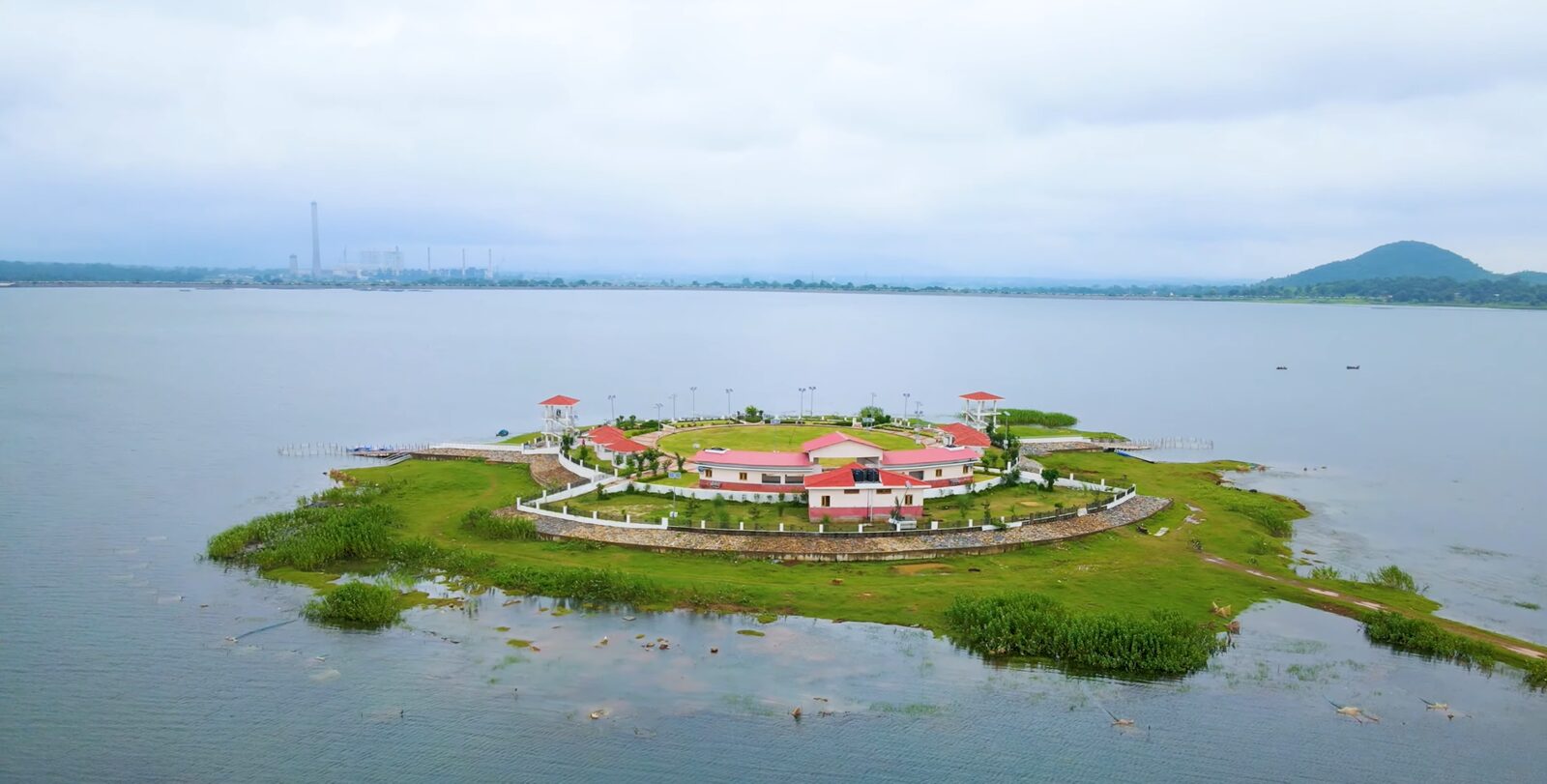
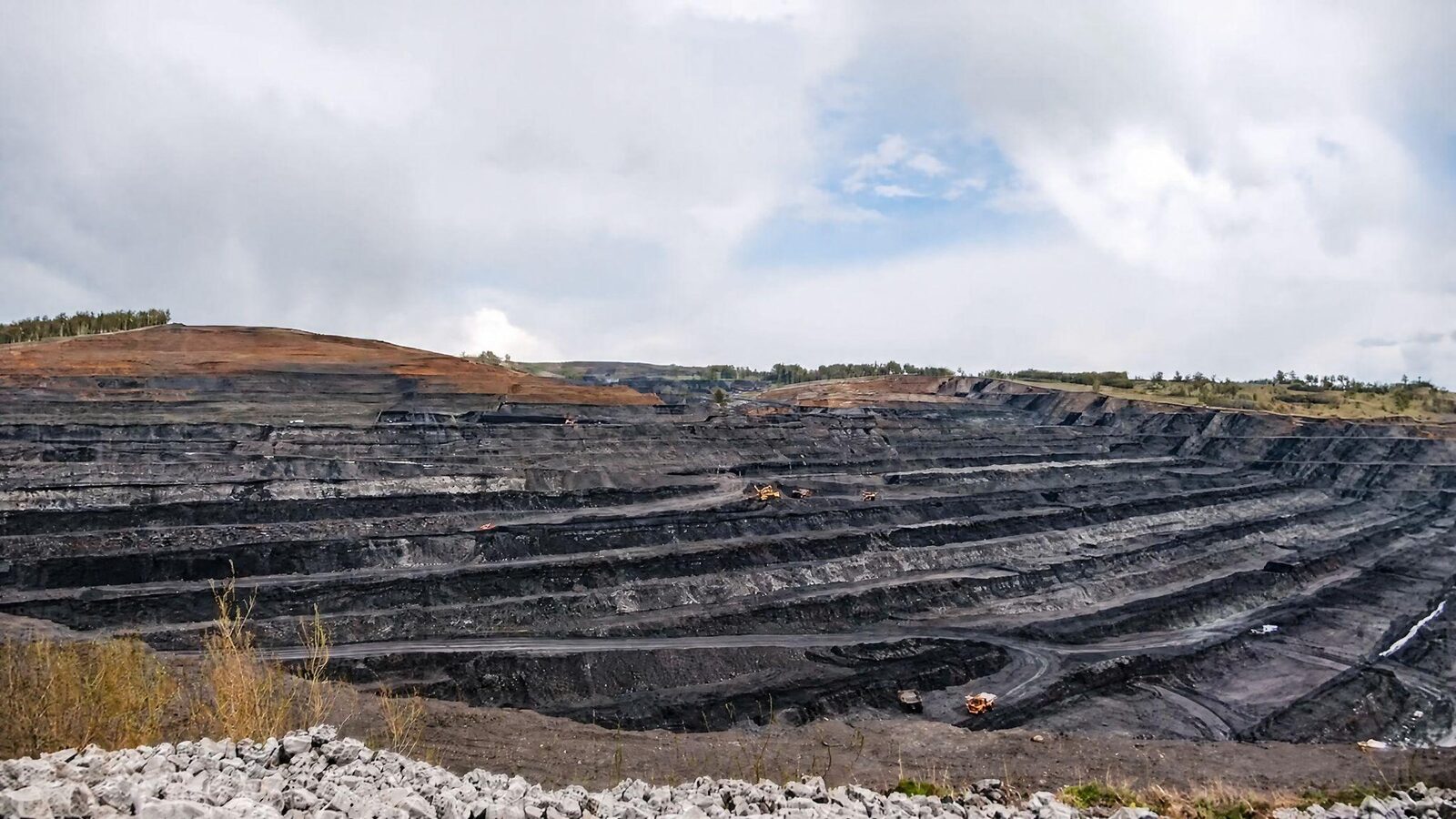
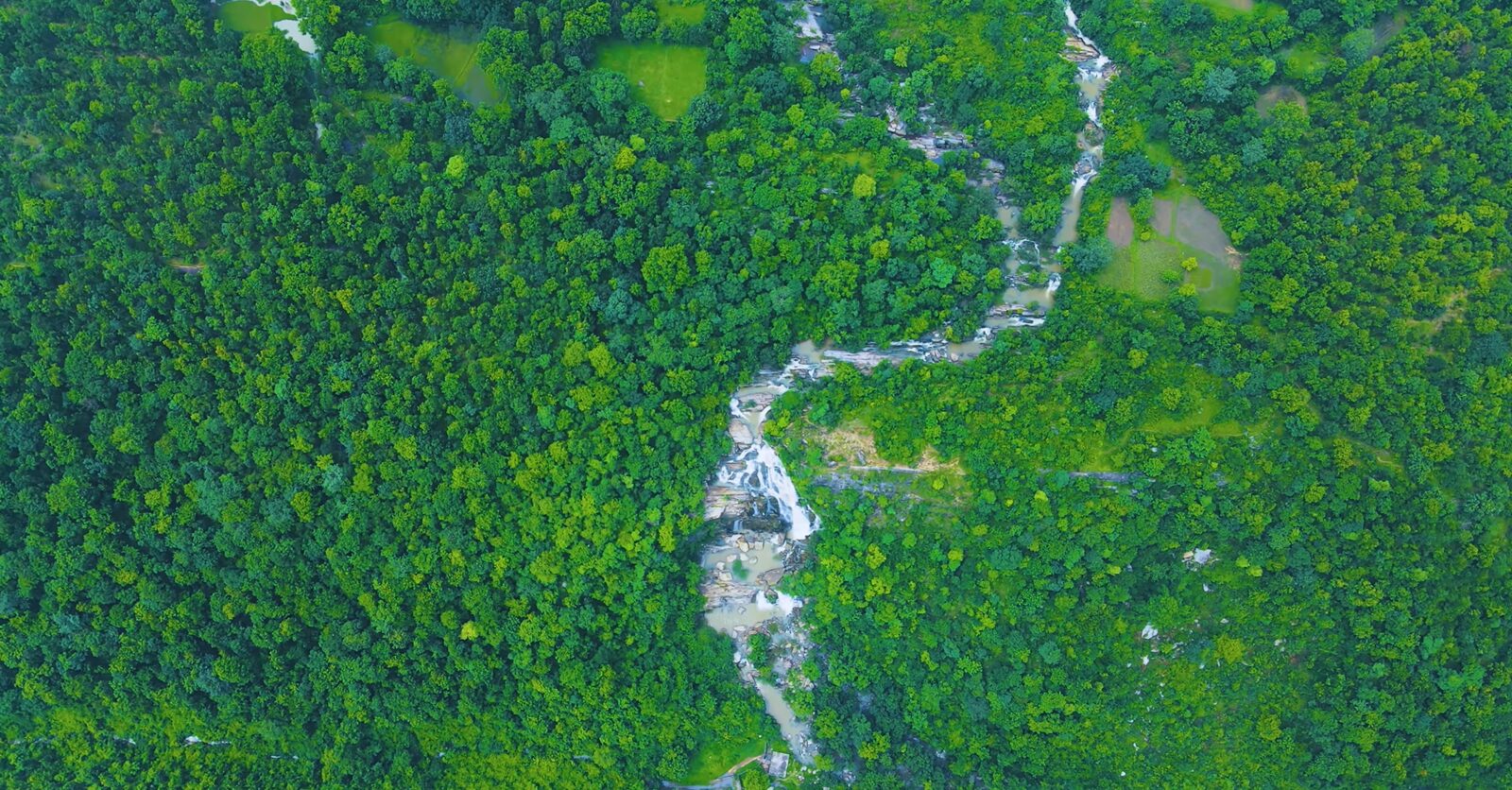
We move from valley viewpoints and a boat across the dam to a place that shows how mines degrade productive land — and how the community here has turned a worked-out coal mine into a way to sustain the very people it displaced.
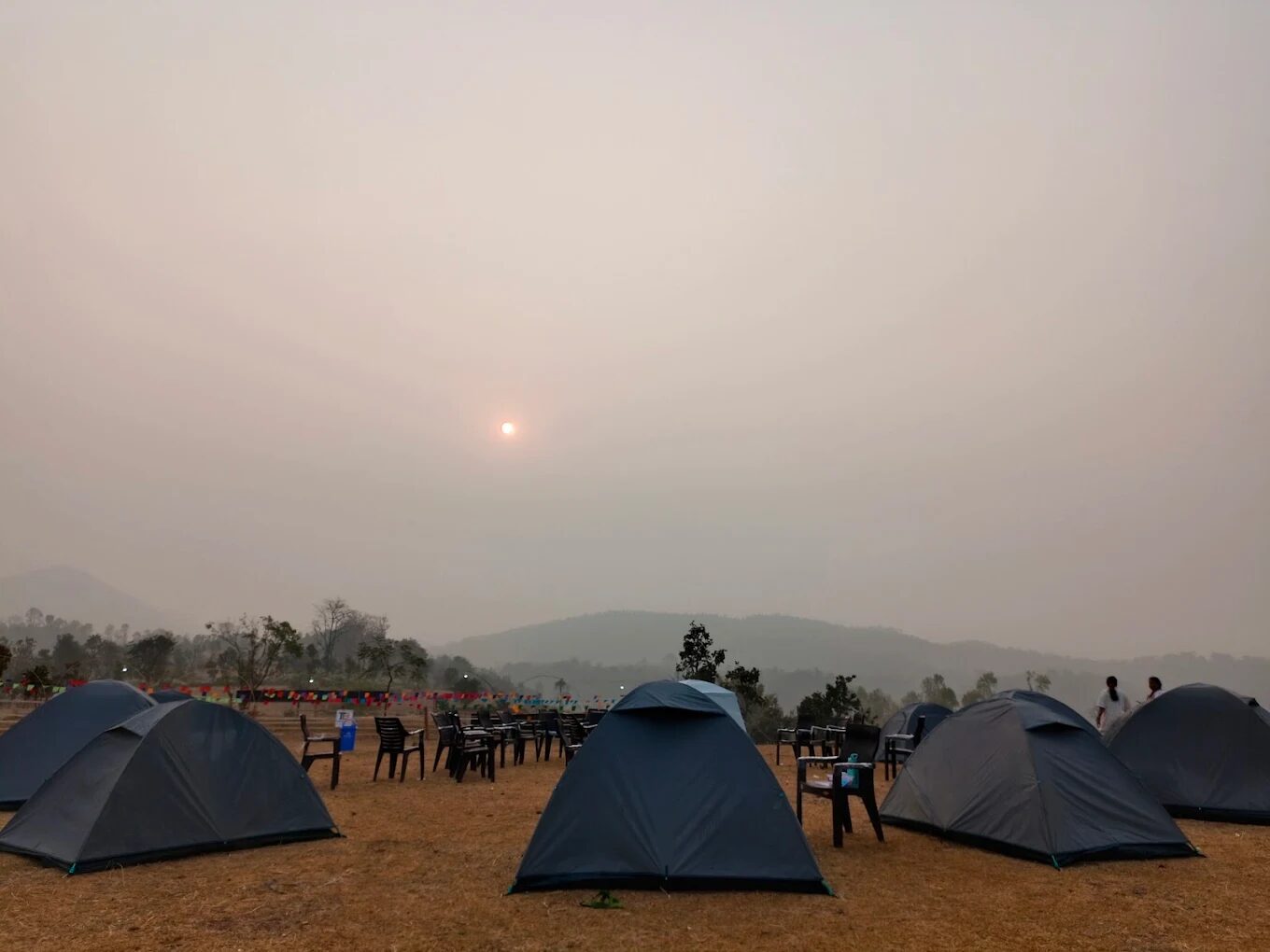
The day ends watching the sunset along a forest island and crashing into the campsite under an open sky — a bonfire, a telescope and a night of stars.
A day with the phone in your pocket and your hands in the earth.
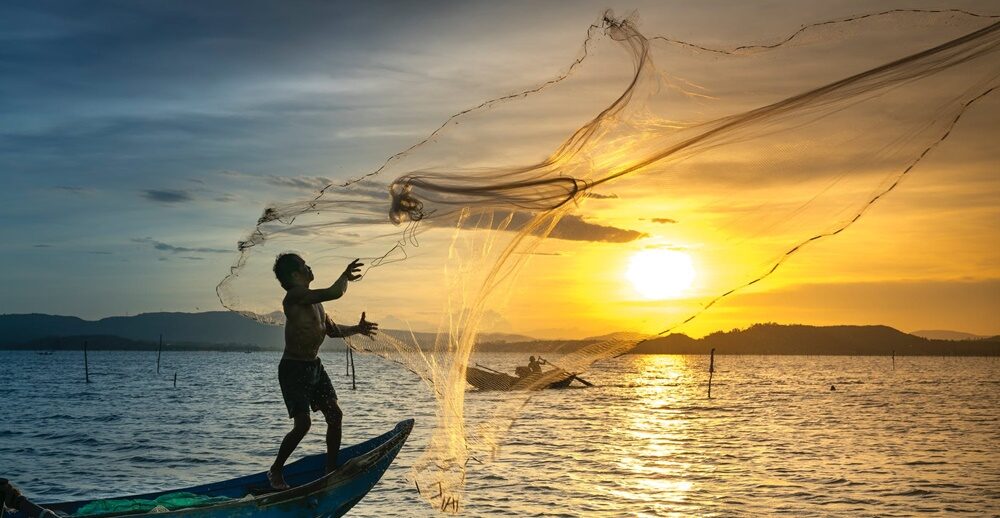
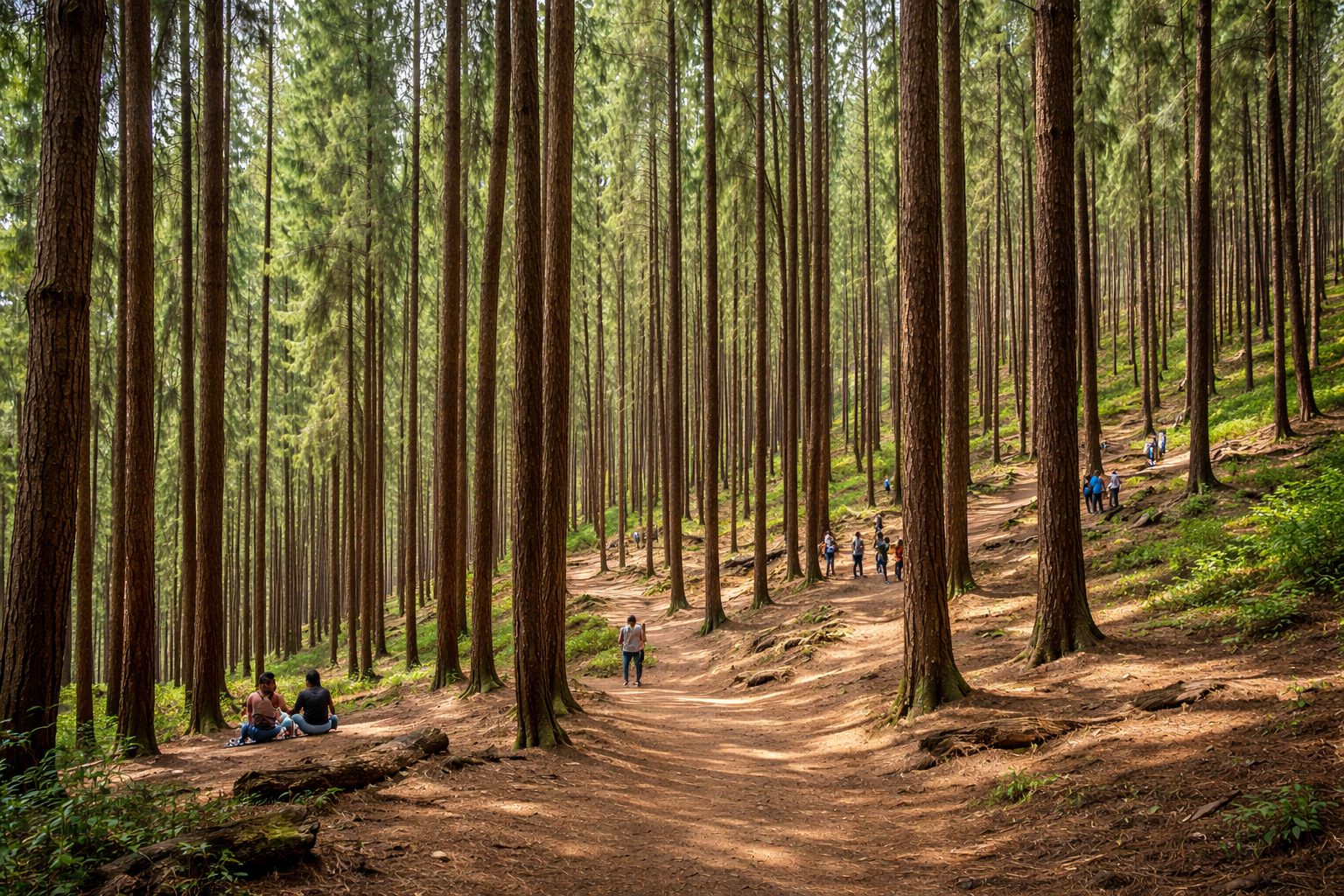
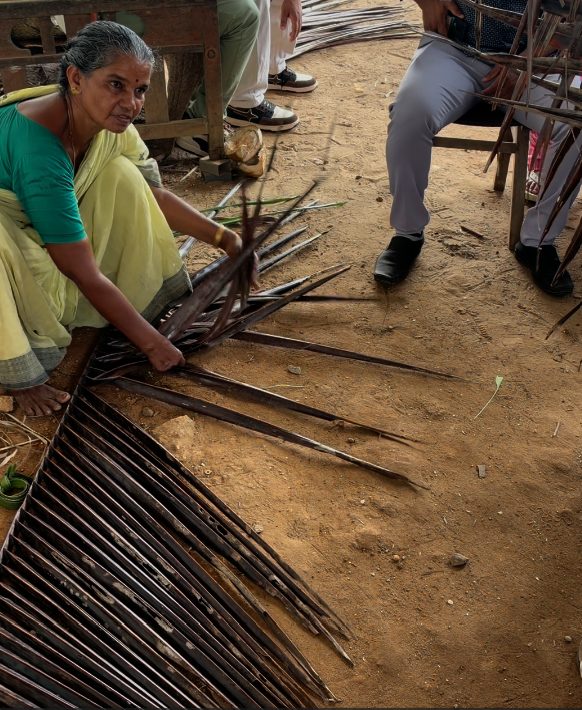
We start with a jungle hike, then settle into the rhythm of rural life — fishing alongside locals, planting rice in the paddy, and learning a leaf-craft the community practised long before the word sustainable existed.
It ends with a round of old-fashioned village games and a night of music — disconnecting and reconnecting in the same breath.
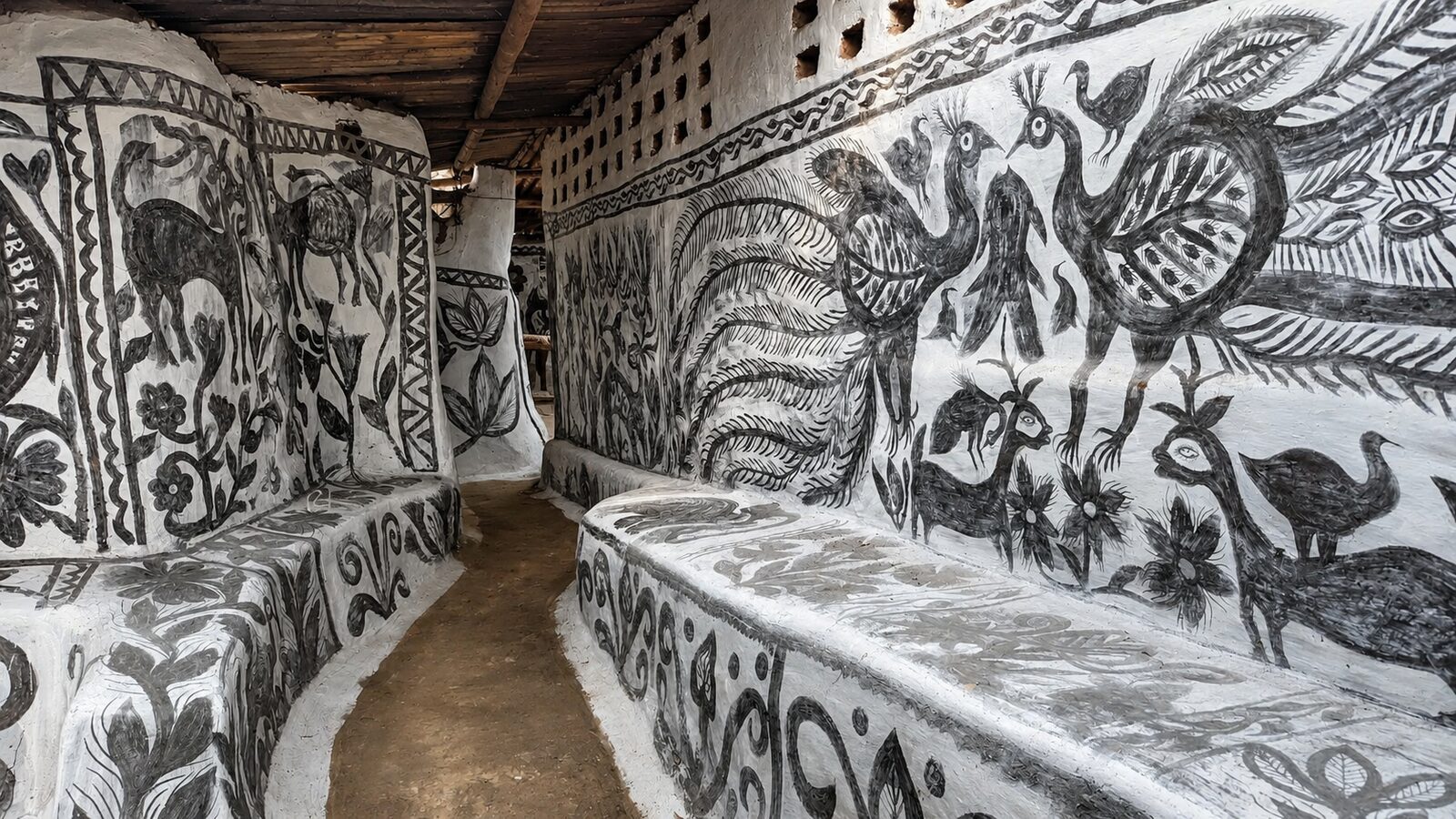
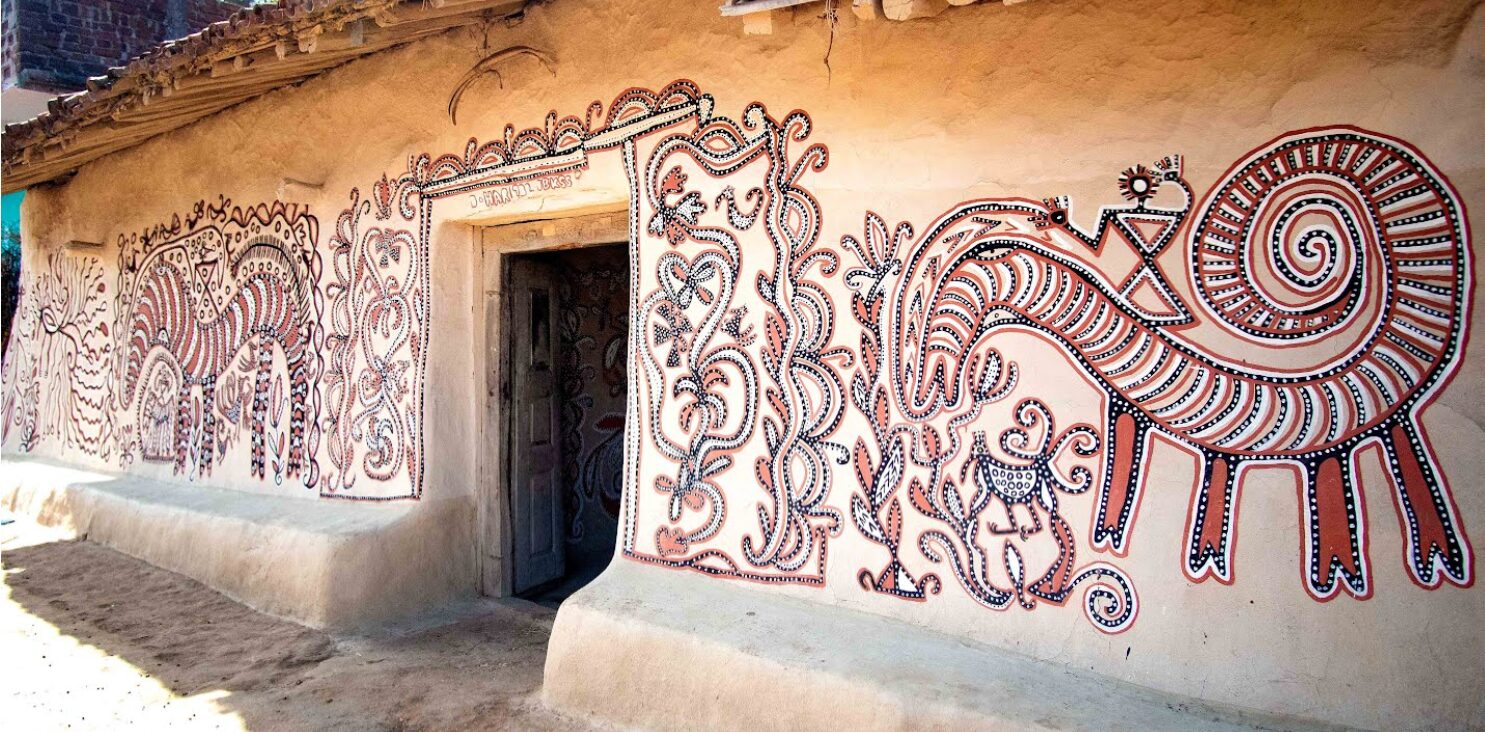
The day begins underground, in a cave where some of the oldest marks human hands ever made are still on the rock — then steps into the present, where that same impulse to paint a wall has never stopped.
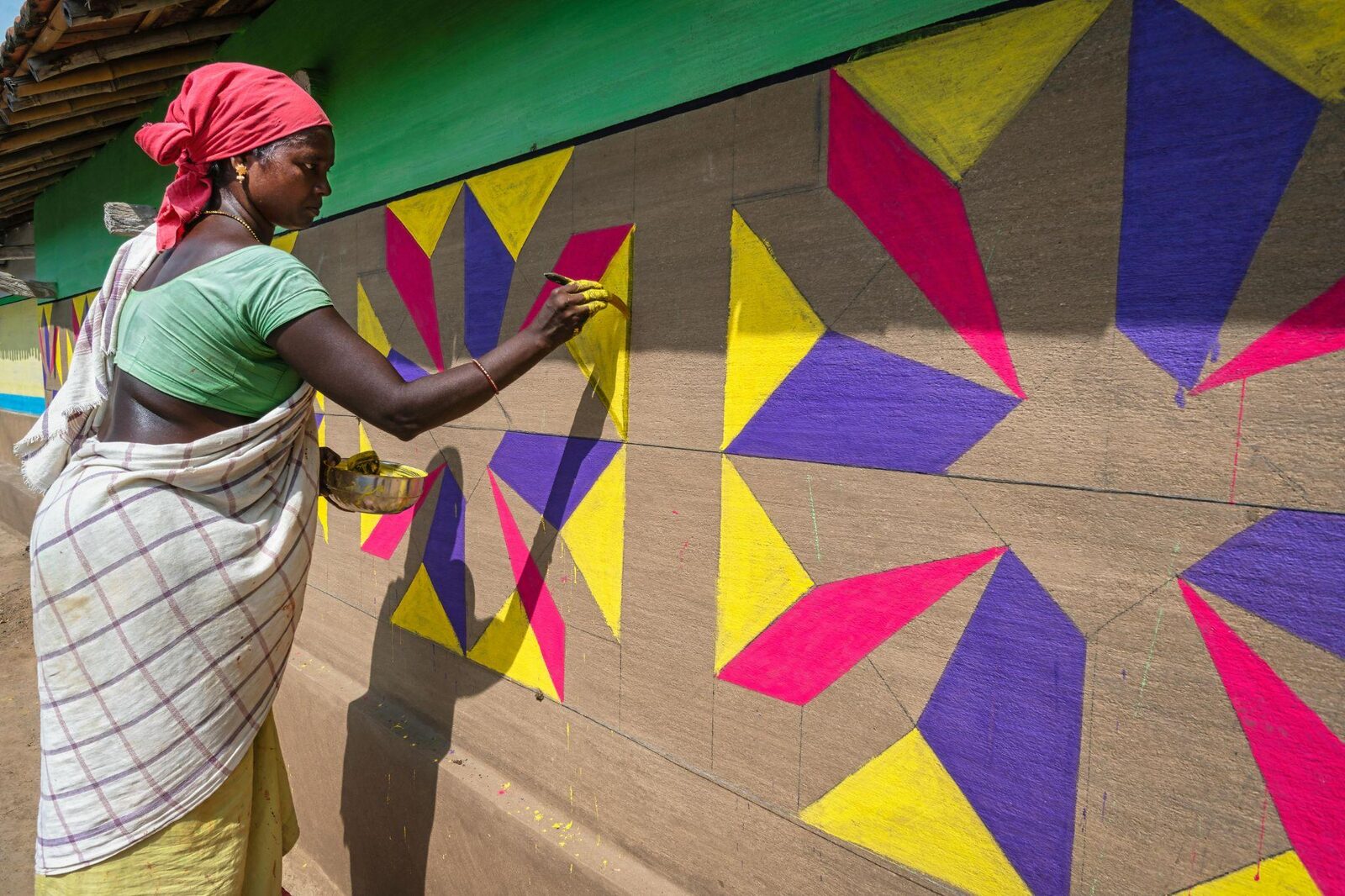
We sit with the women who make Khovar and Sohrai, learn what the patterns carry and why, and pick up the brush ourselves.
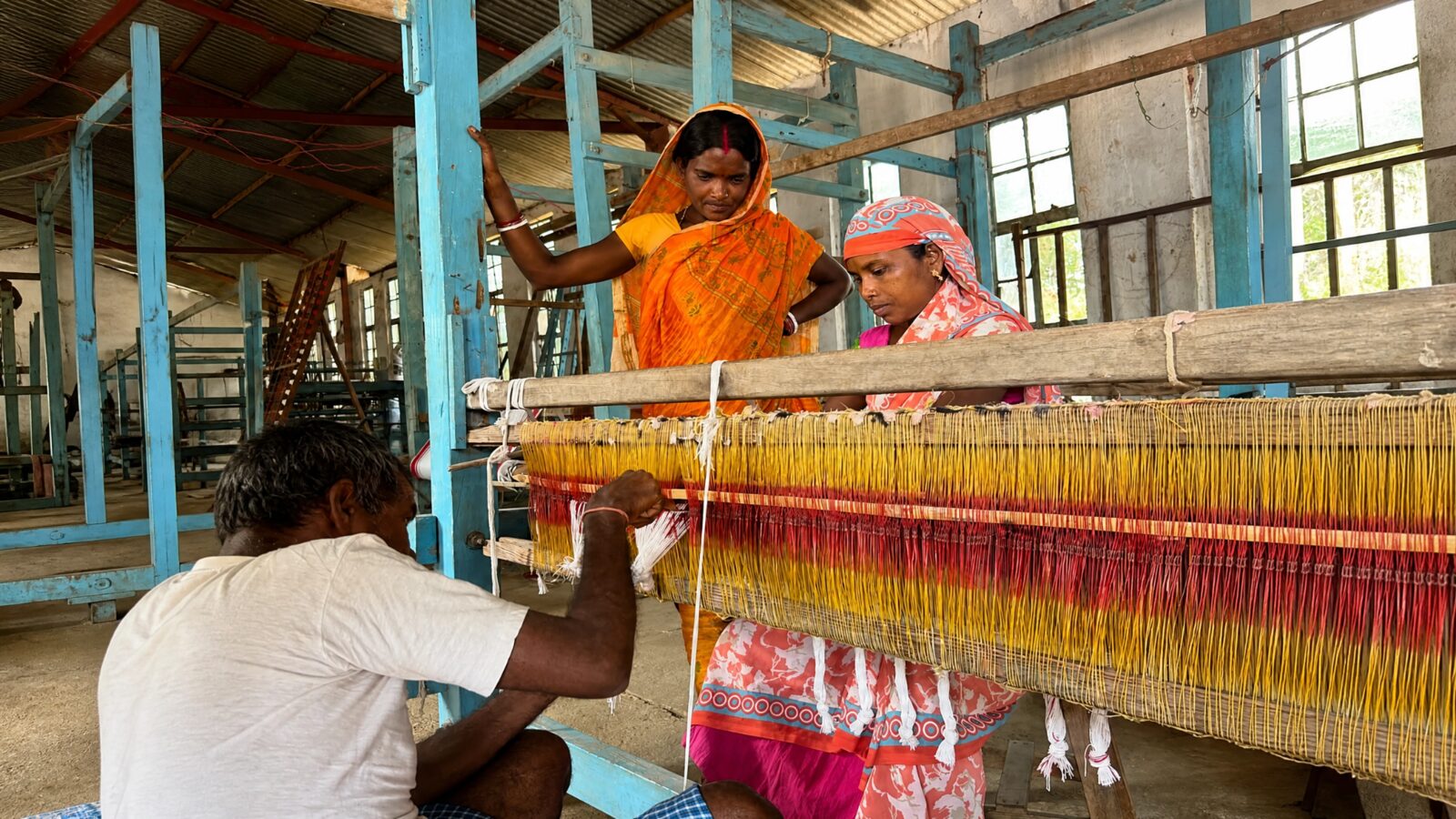
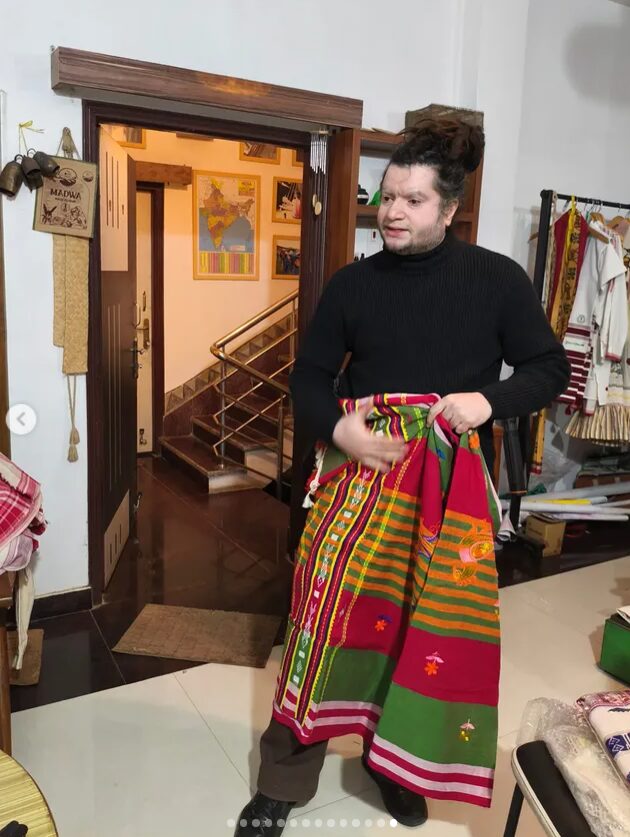
We close the day at a tribal handloom, watching motifs that began on mud walls find their way onto cloth.
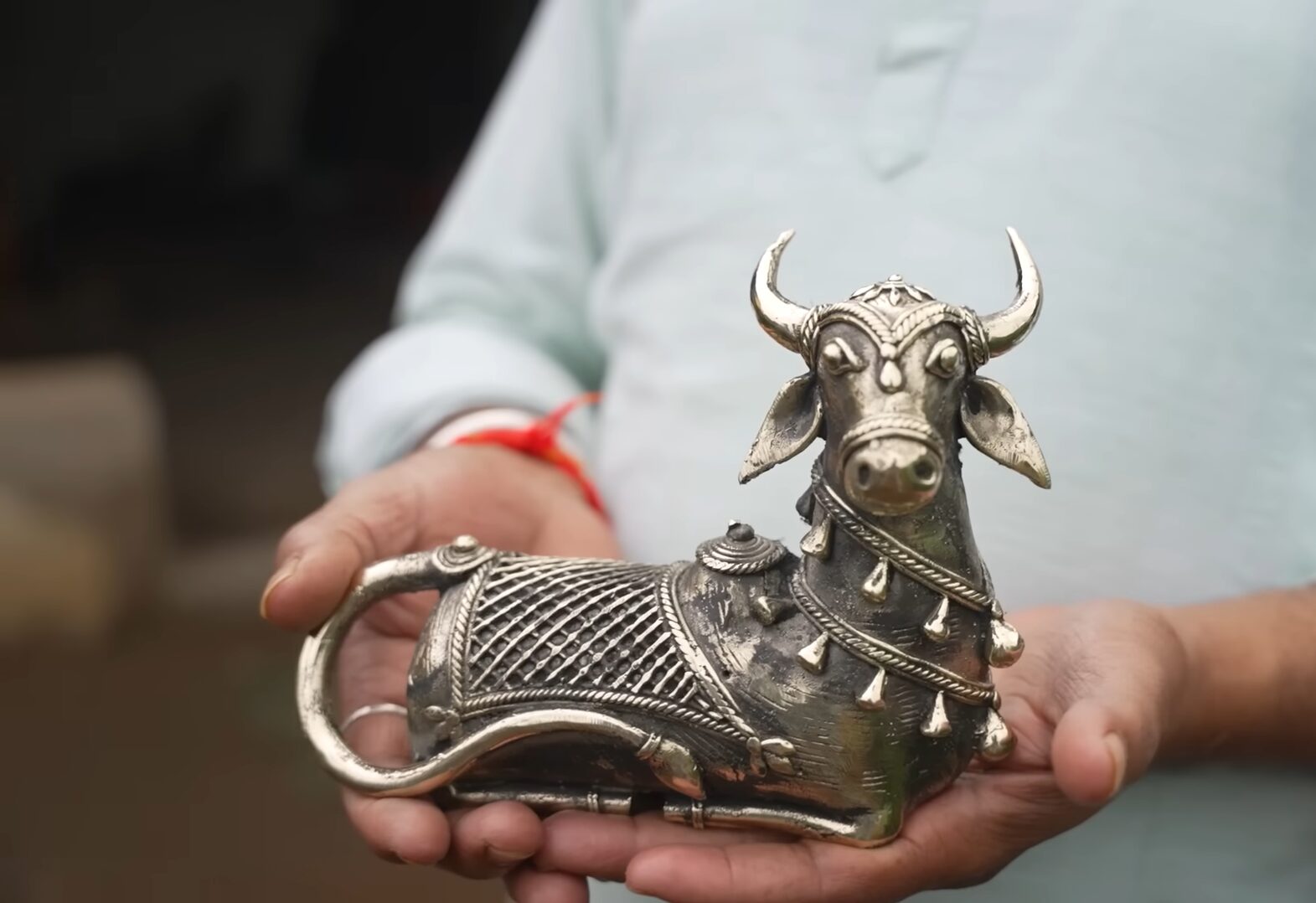
The road leaves the plains and climbs towards Netarhat — but not before a stop with the lost-wax casters who make the tribal metal art known as Dokra.
We meet one of the first peoples of this land, learn the handful of ingredients their cooking is built on, and eat a meal made from exactly those; you forage the forest with a community member who reads it like the back of their hand.
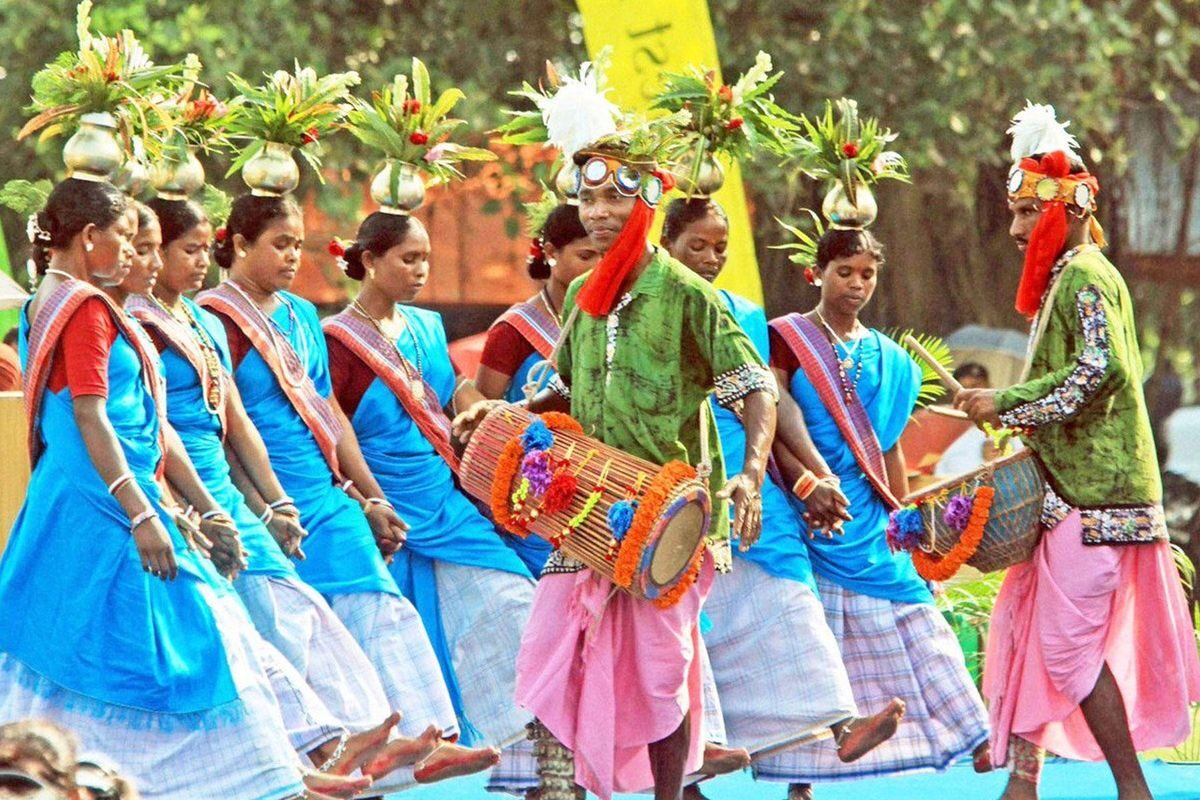
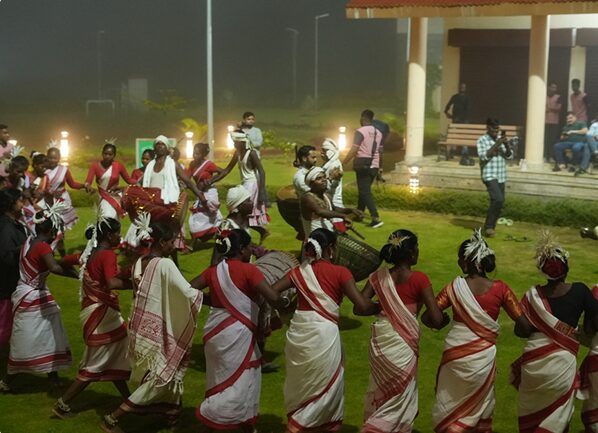
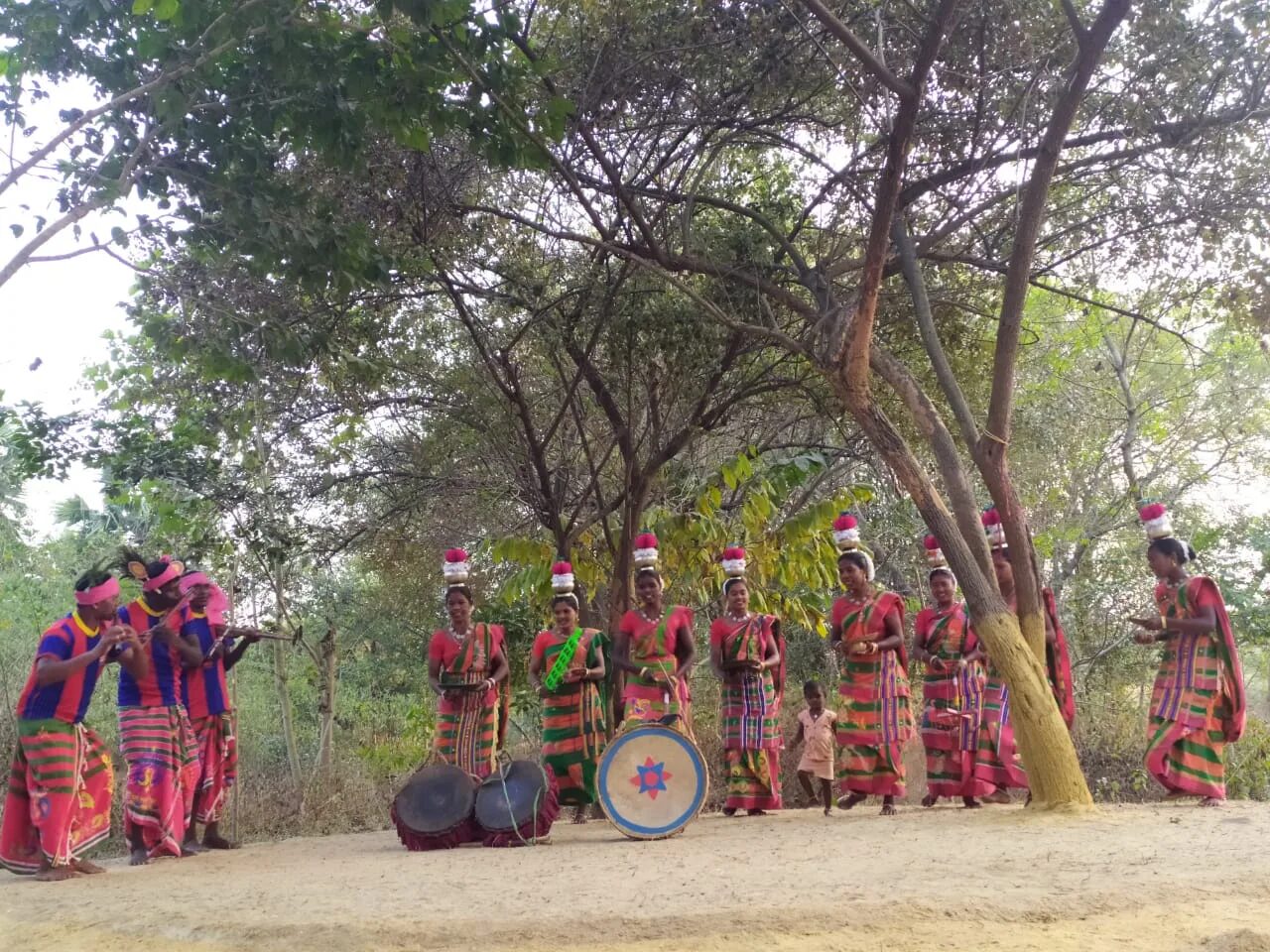
We spend time in tea-making workshops with the tribals — until food, forest and livelihood stop feeling like separate things. Around that runs the rest: a sunset hike through Gondli fields, and an evening of tribal dance before the light goes.
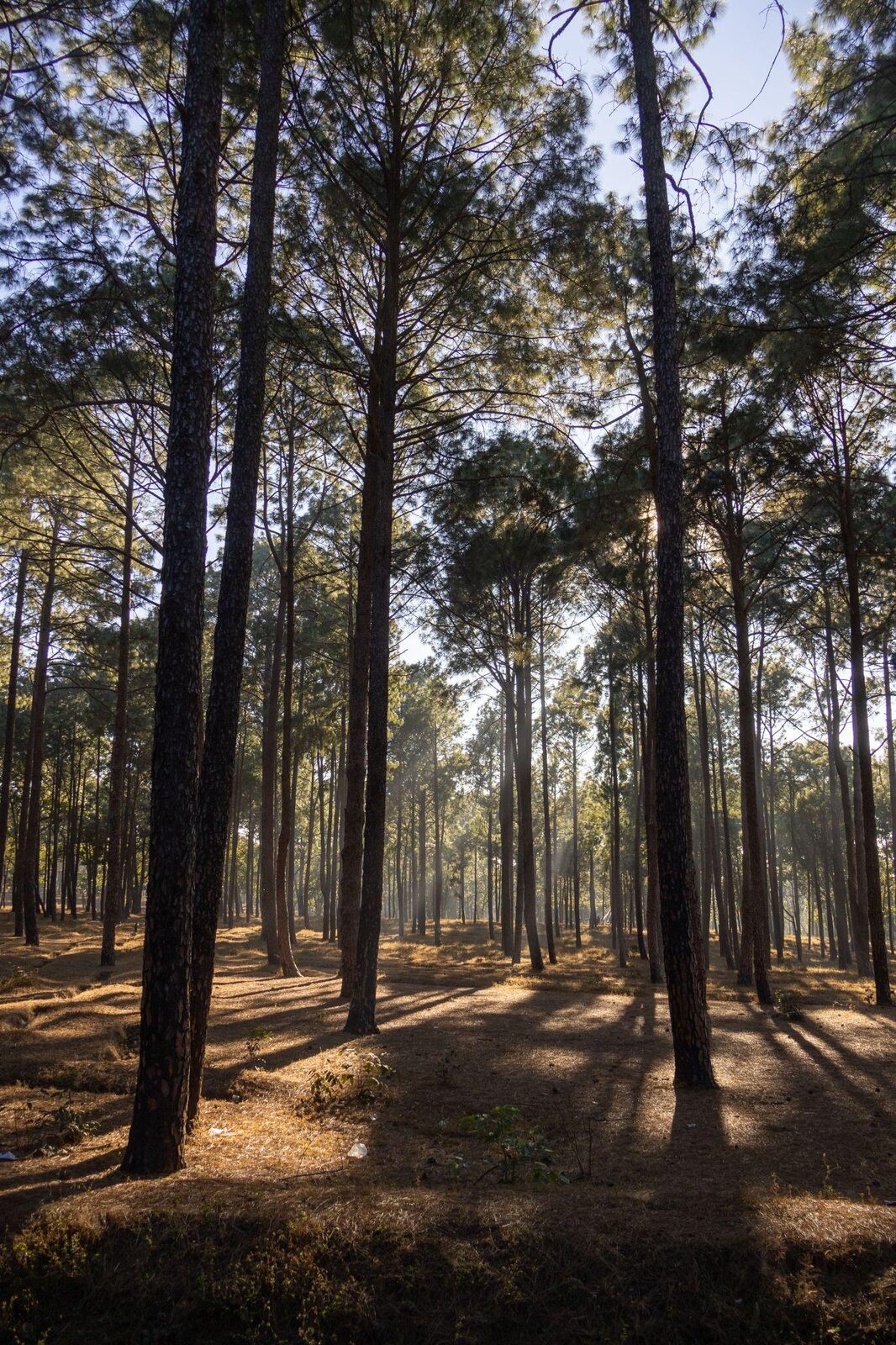
The day starts early as we move from Netarhat to Gumla through the pine forest.
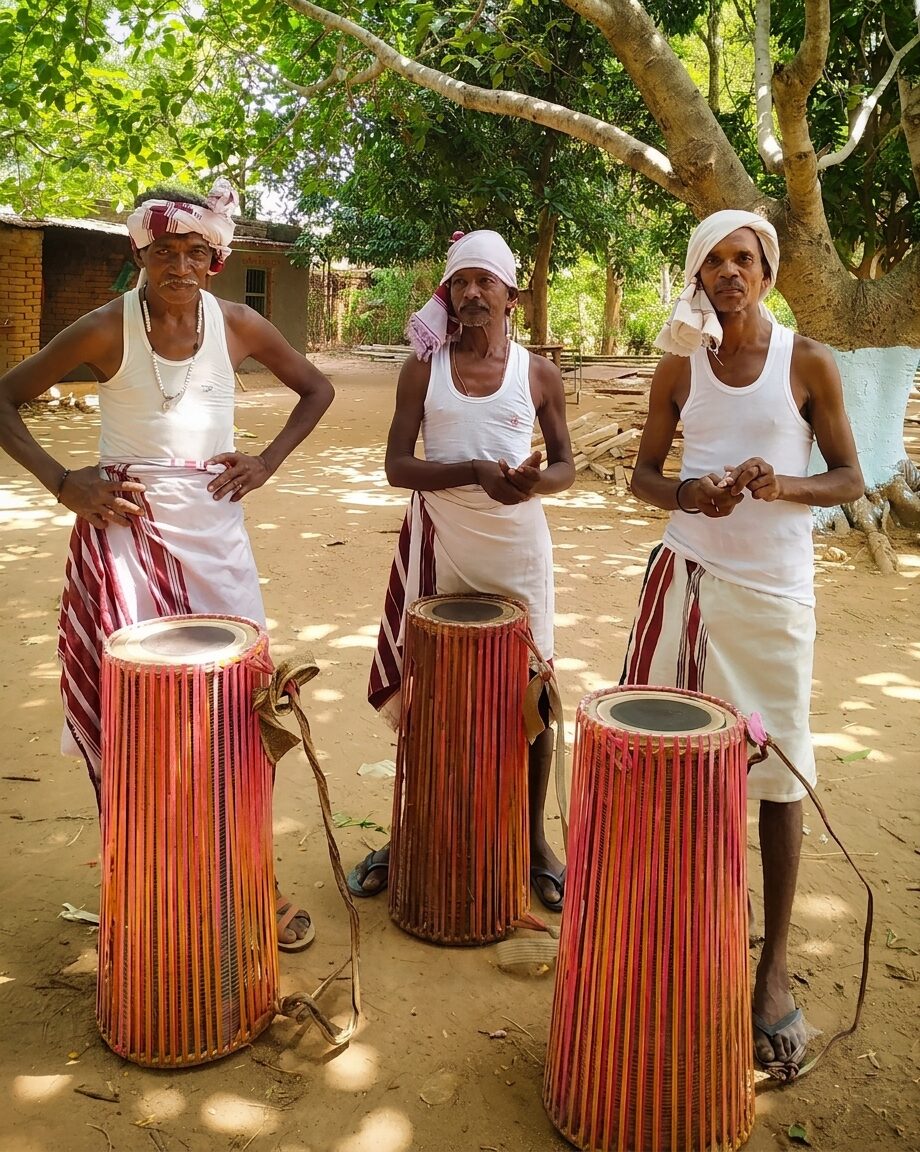
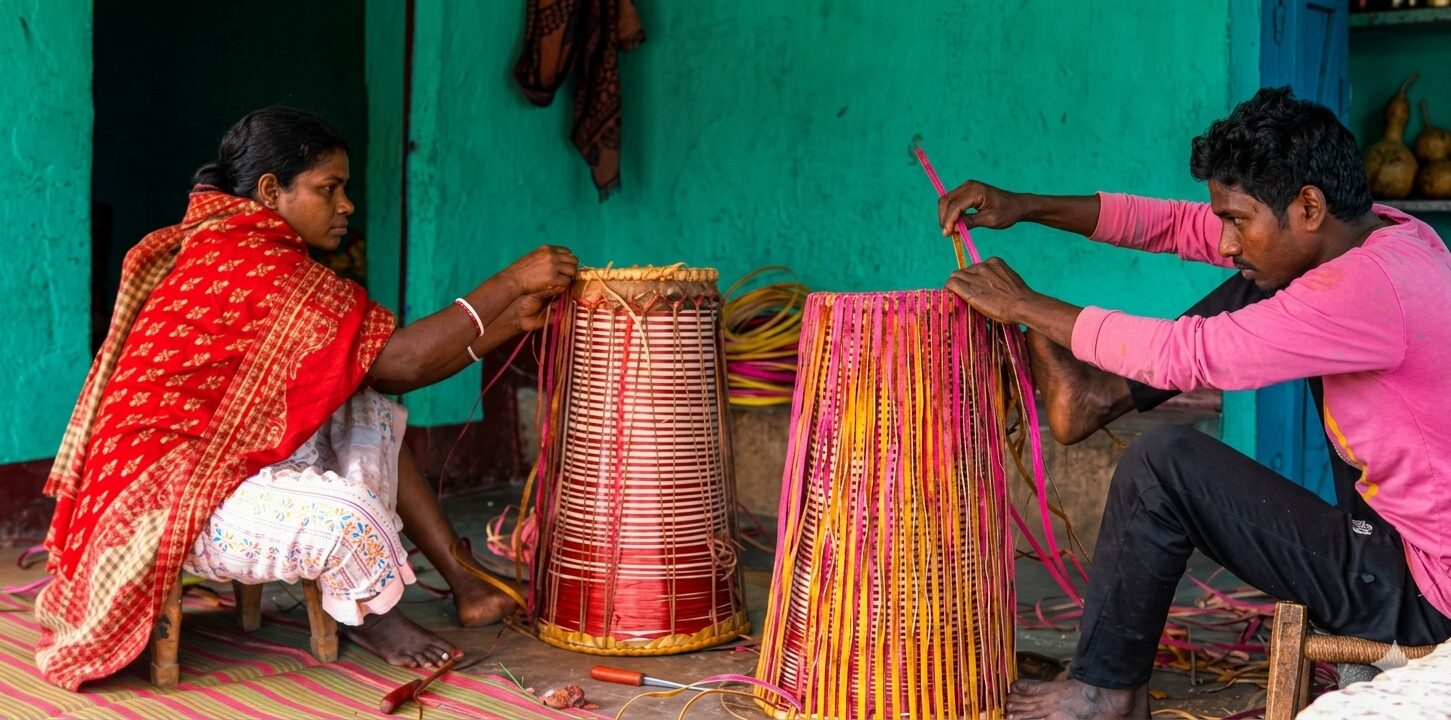
A pit stop in a village to learn how a tribal drum — the Mandar — is built by hand, then into a museum where the story of a great tribal freedom hero is told: the history that doesn't reach the mainstream.
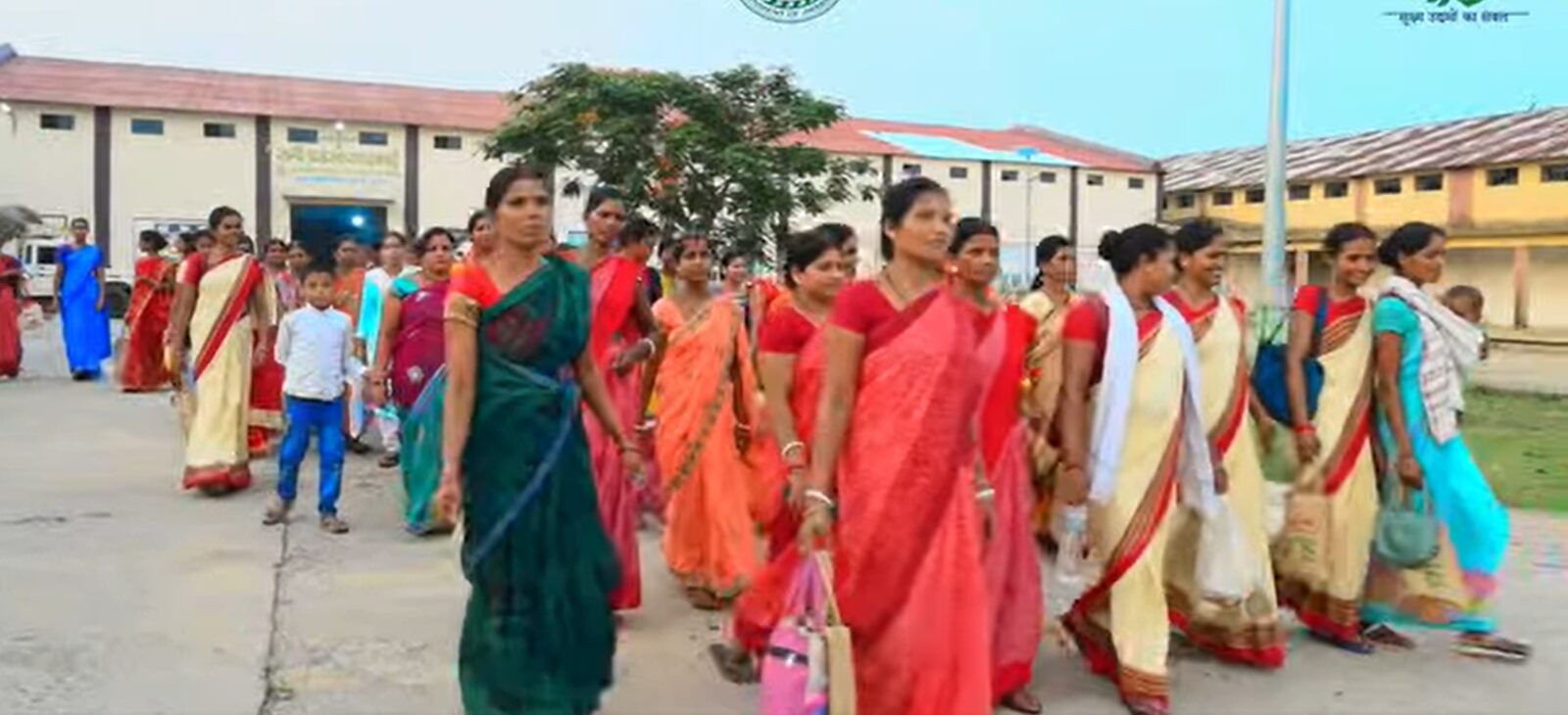
The middle of the day belongs to the women farmers reviving the millets this region runs on — understanding why the grain matters, sharing a lunch the local women have built entirely around it, and meeting the people behind the initiative.
A stop at an old hilltop fort, then the day ends at our camp site.
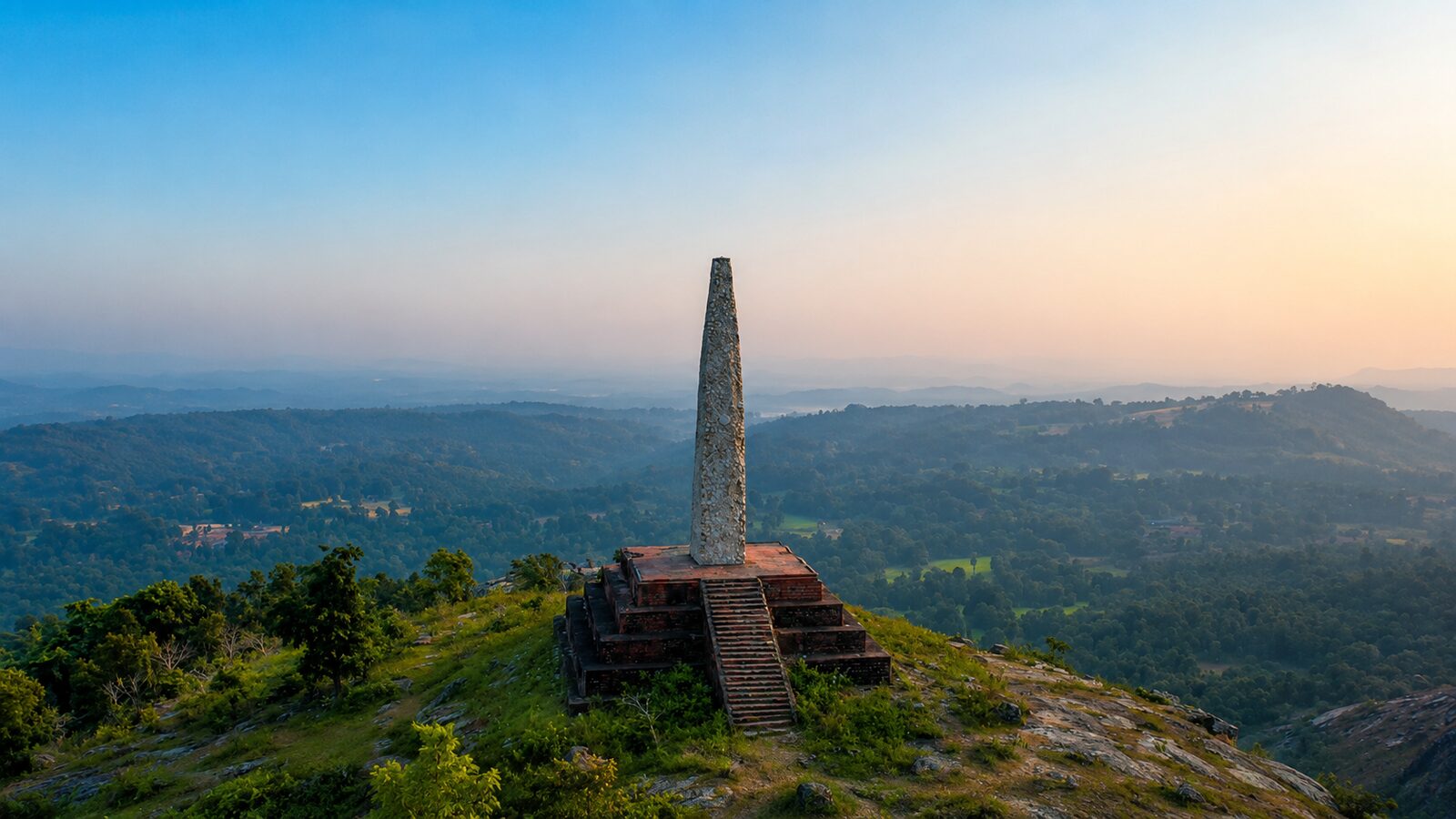
We journey to the battlefield in Khunti, where a tribal leader first raised a revolt against the British — a resistance more fierce, and more forgotten, than the Jallianwala Bagh massacre. It begins on sacred ground: the hilltop where that revolt was born.
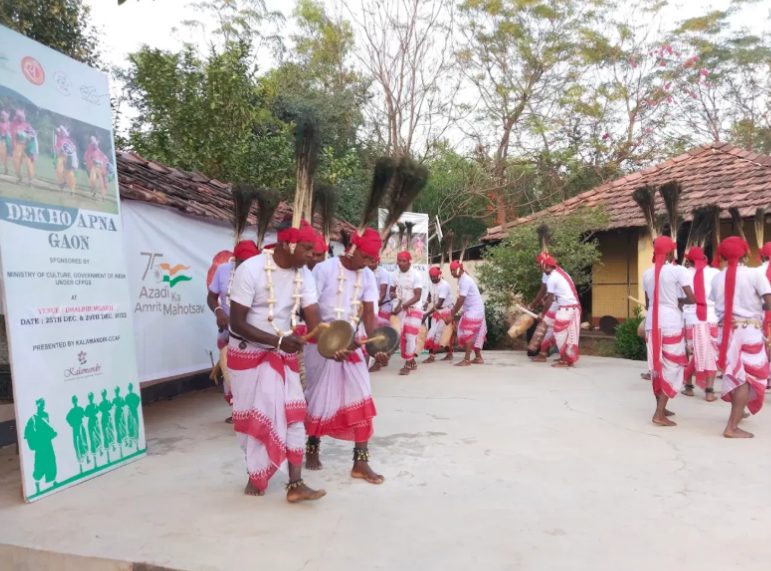
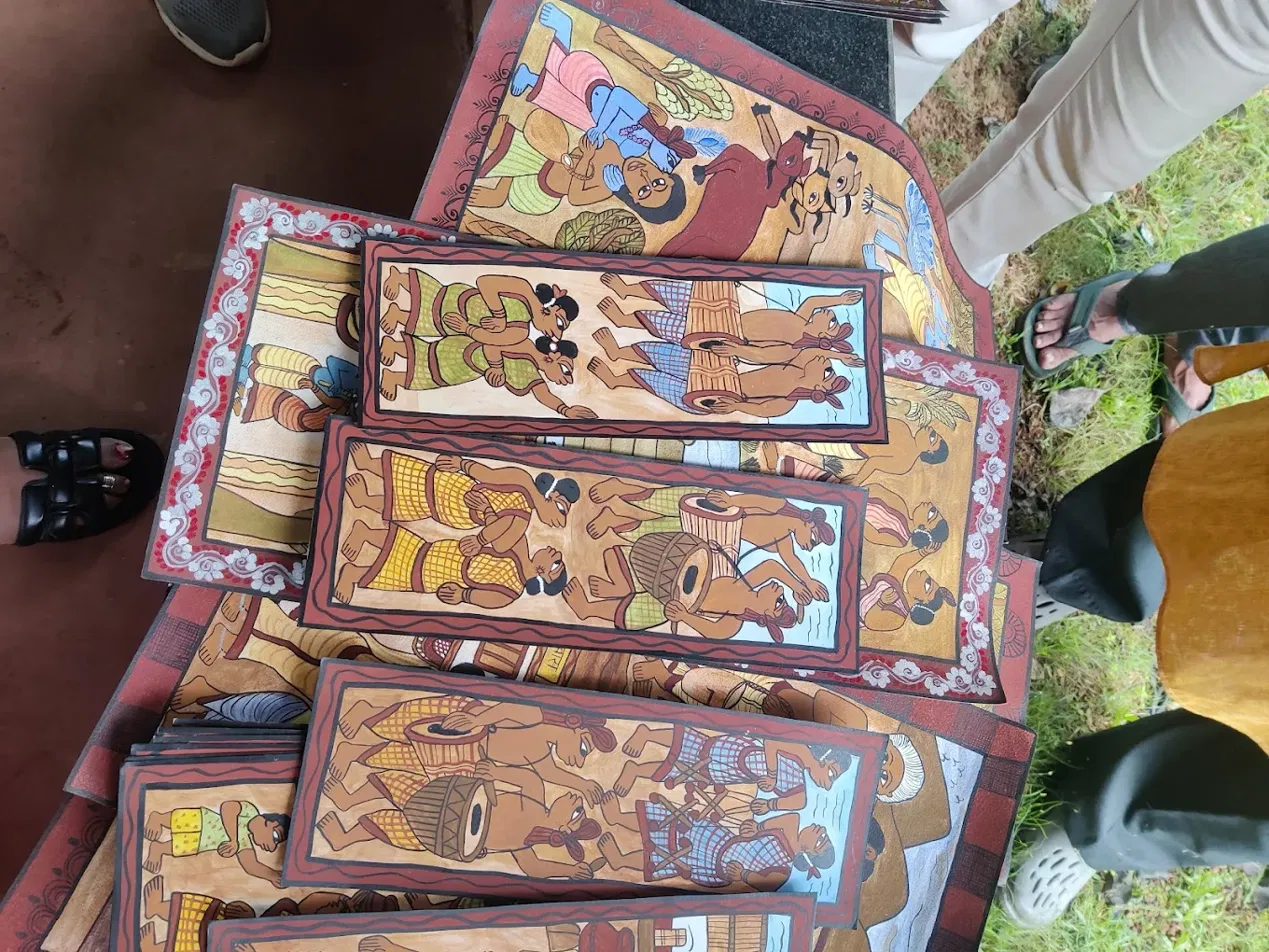
By afternoon we reach an artisan village and a rural homestay, where the village itself takes over. You're welcomed in with a traditional dance, walked through its lanes, and sat down with the painters who practise a centuries-old scroll-art form — telling stories on paper the way their families always have.
The evening is relaxed — games and laughter with the group as the day winds down in the village.
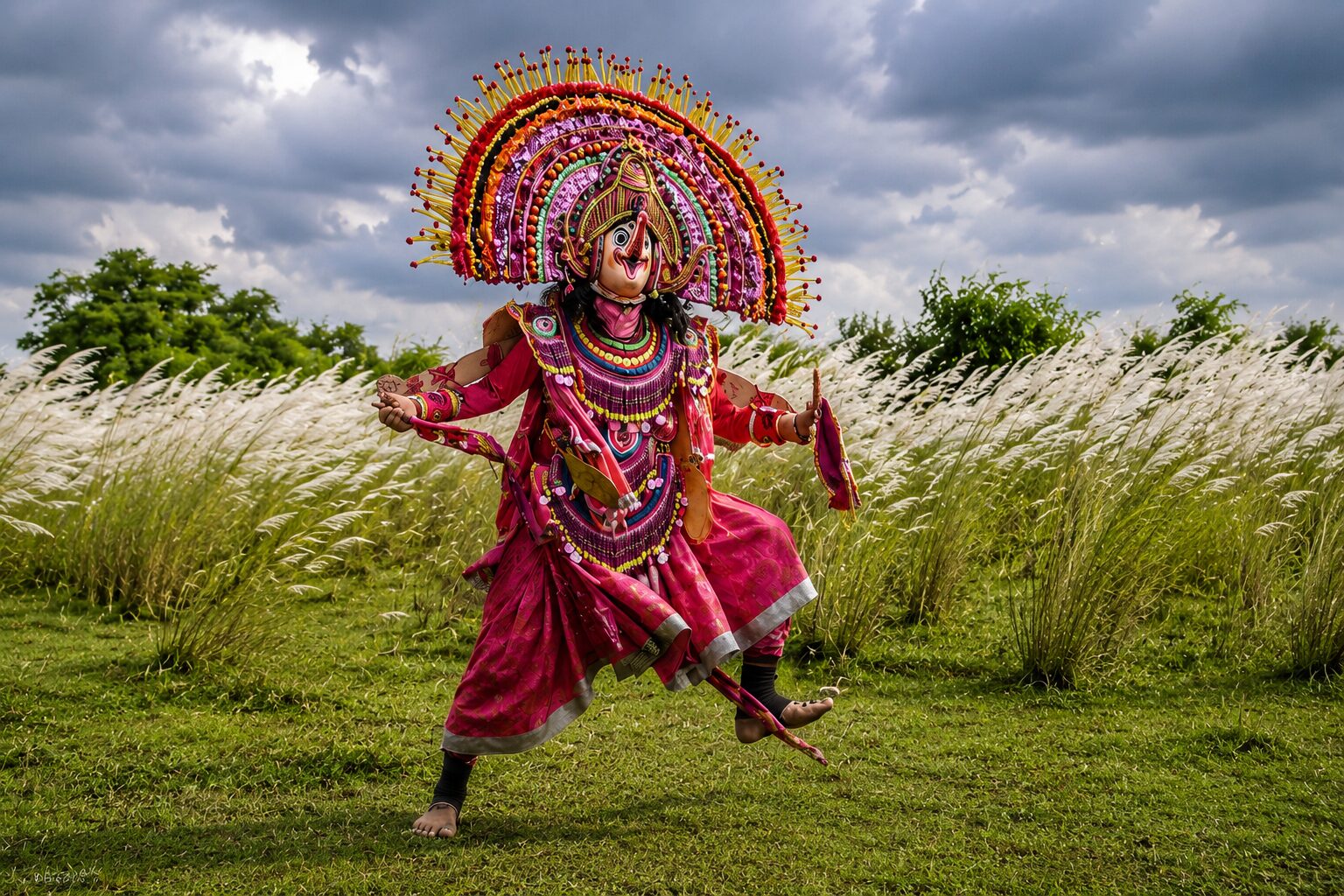
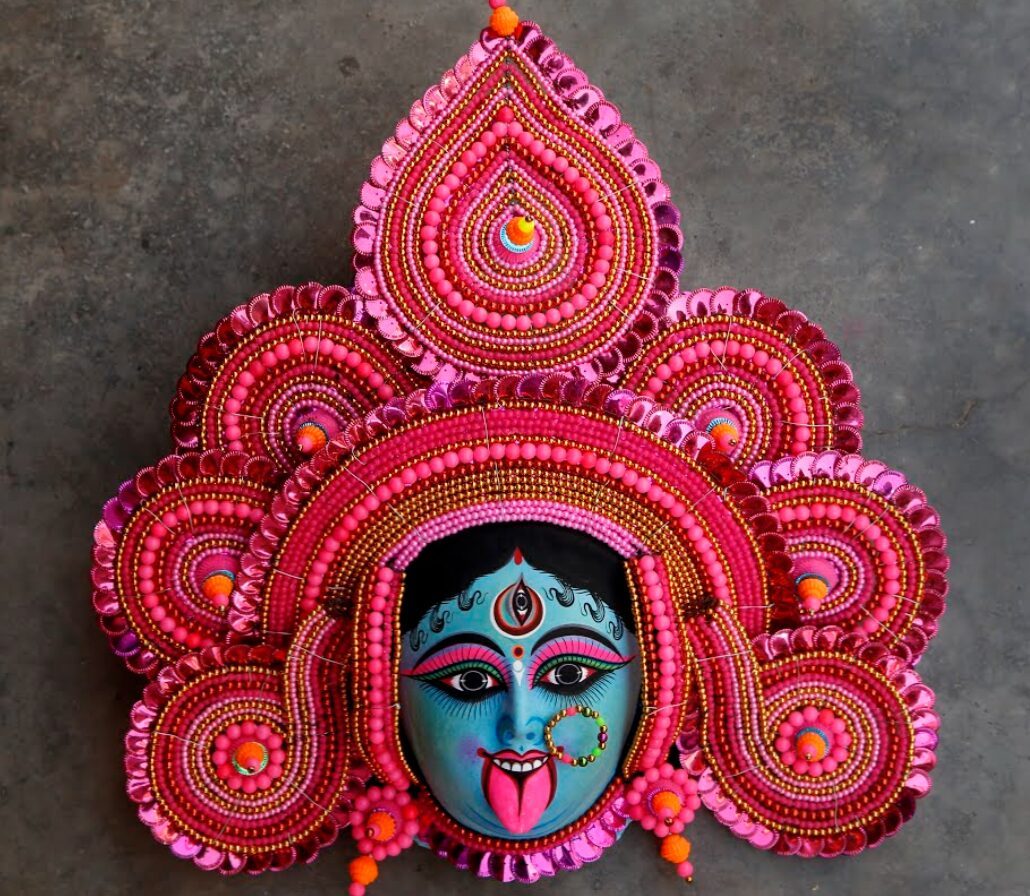
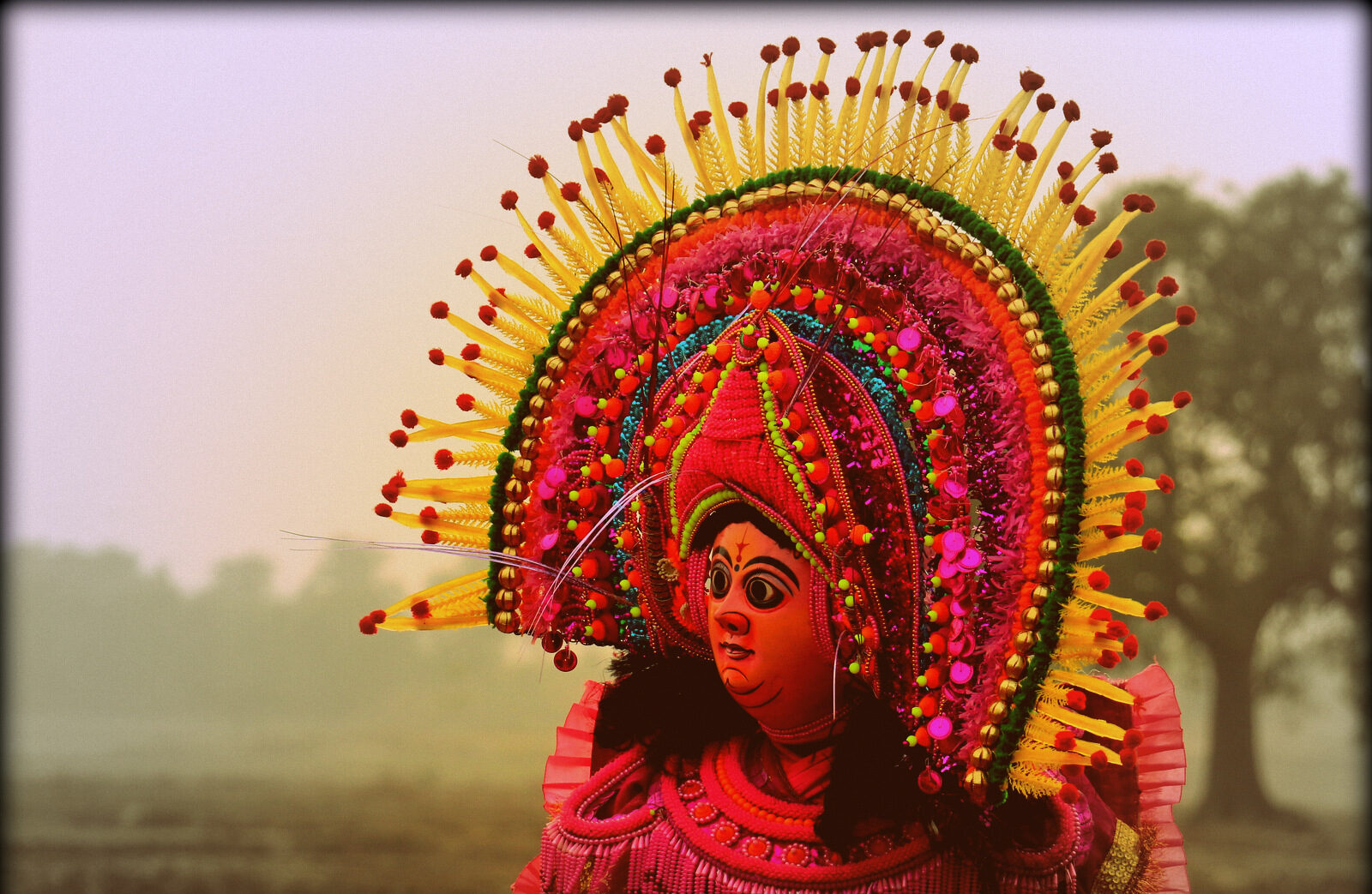
The last full day opens with the most theatrical craft of the journey — a visit to the masters of Chhau, a martial mask-dance, watching how the masks are sculpted and then seeing them come alive in performance.
From there the journey turns back toward the city, easing from forest and field into a gentler urban afternoon — a good local meal and a design studio doing interesting work with the region's crafts.
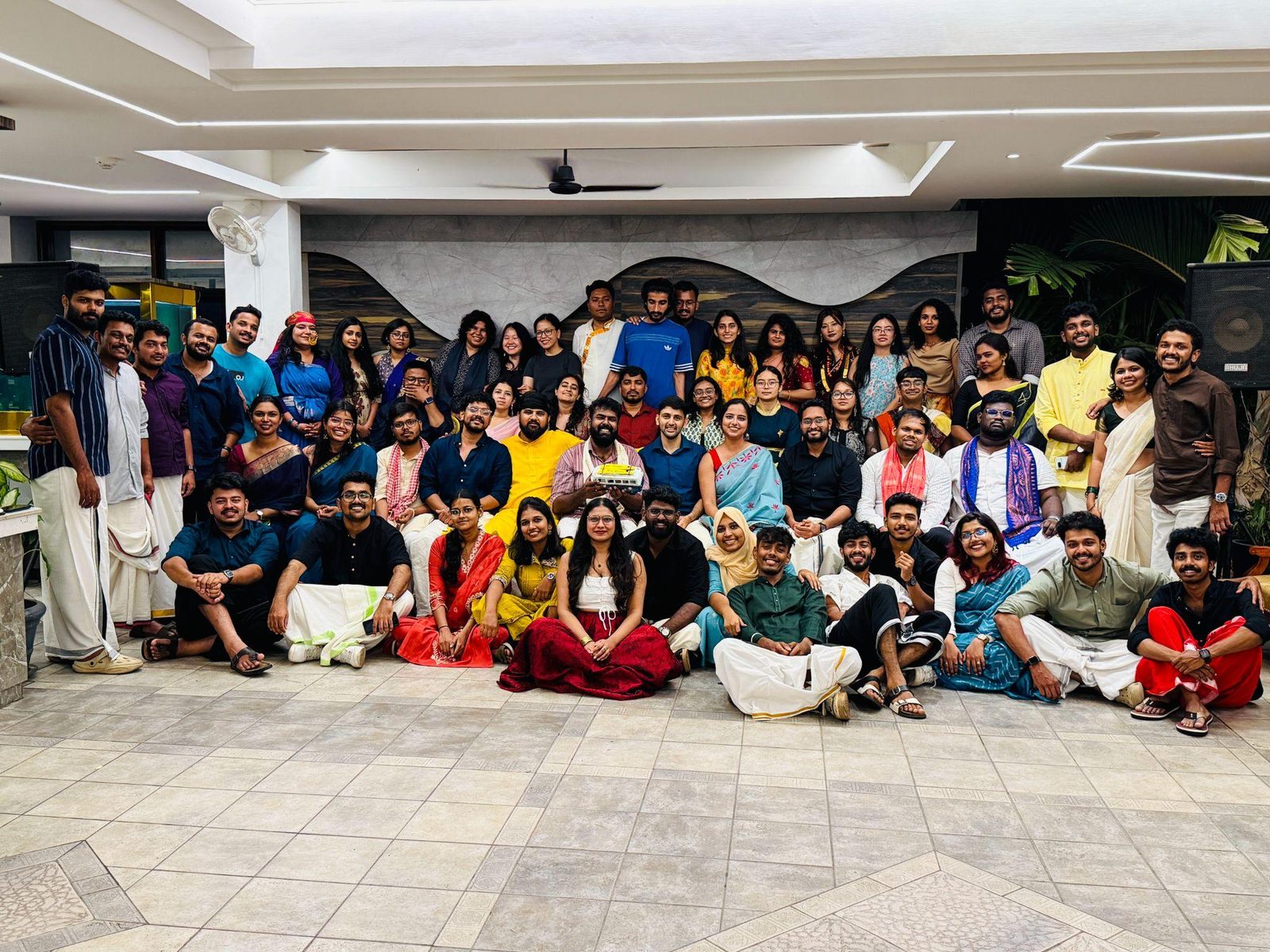
It closes the way it began: together. A final dinner, a chance to share what the nine days meant, and a last hug before you leave with memories, bonds, and maybe a promise to return.
The moment you land, the welcome begins. No rush — we gather as a small group and set the intention for the nine days: what we're here to notice, taste and learn.
A slow first evening to settle into the place before the journey begins.
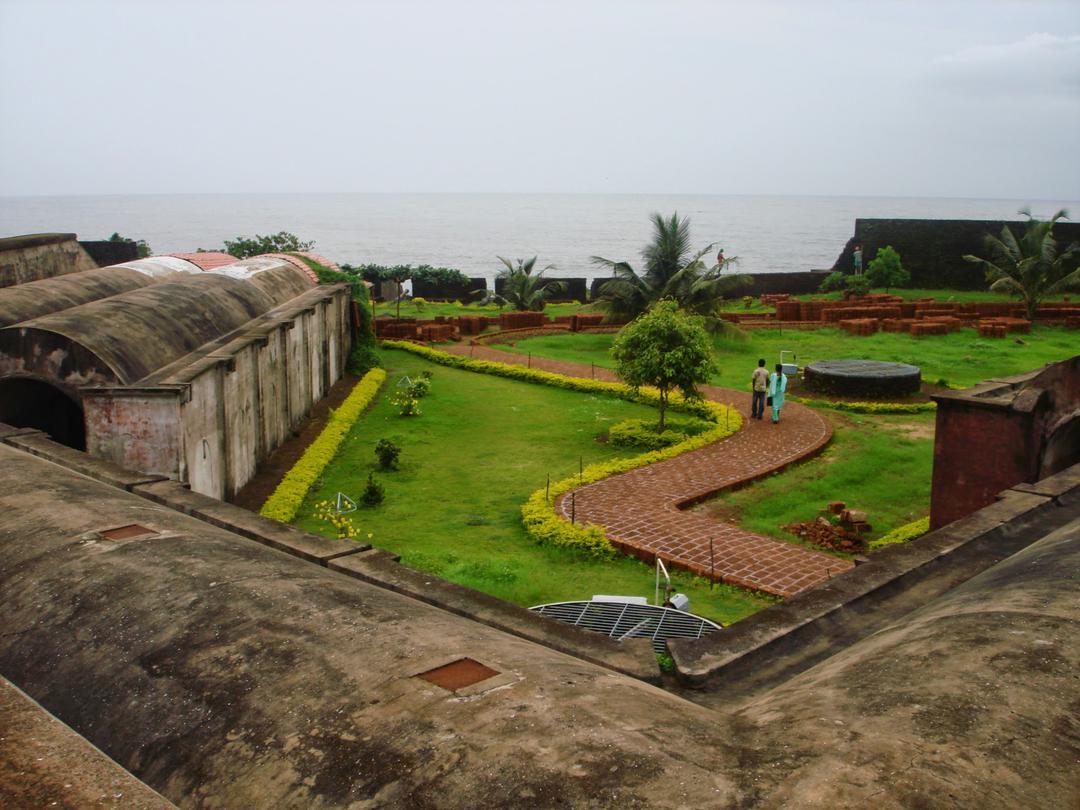
Thalassery is one of the Malabar coast's oldest trading towns, and the morning moves through everything the sea once brought here — a coastal walk past the seafront fort and the marks the East India Company left when this was a pepper port, and the bungalow where a European scholar first set Malayalam into a dictionary.
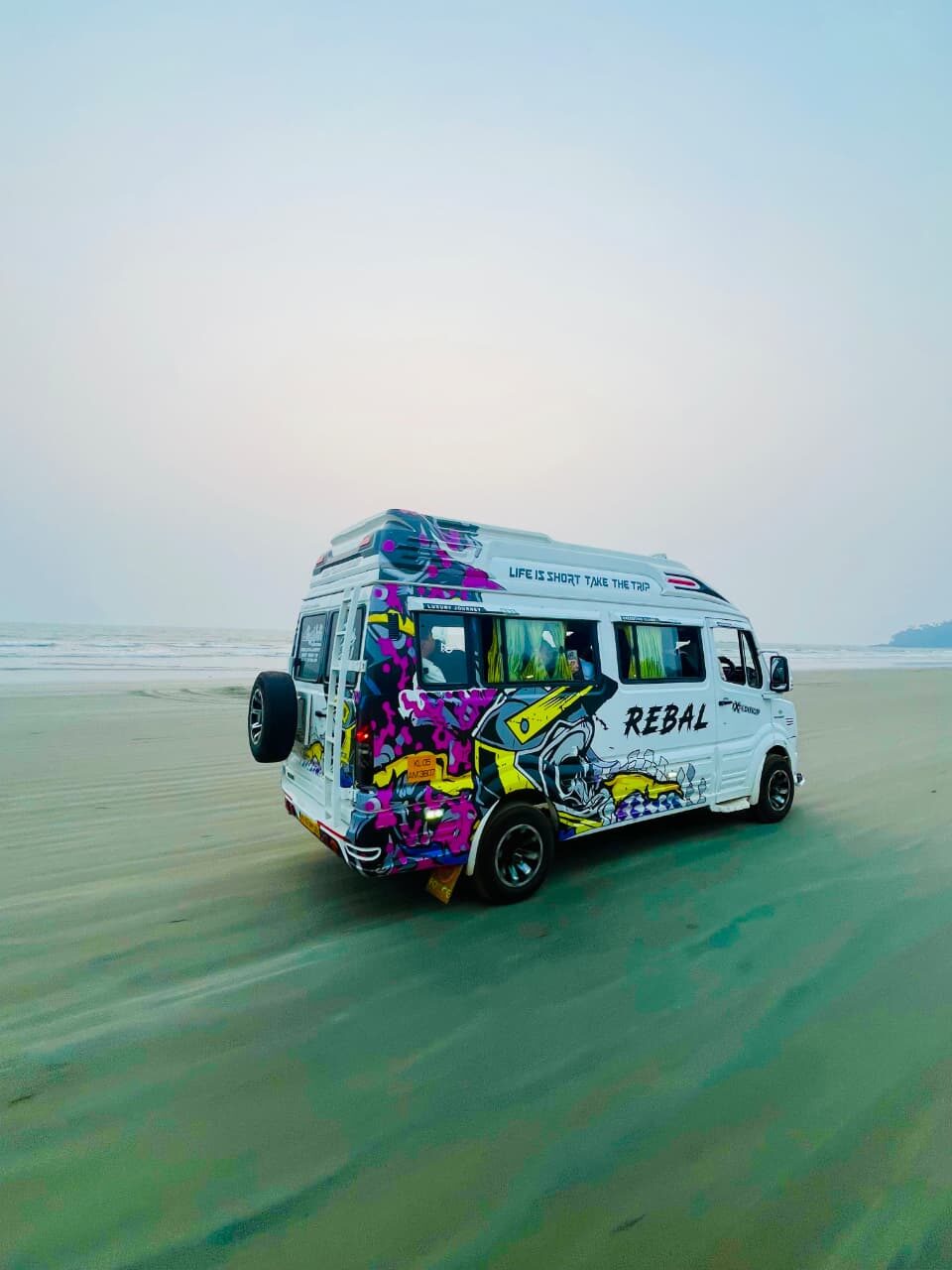
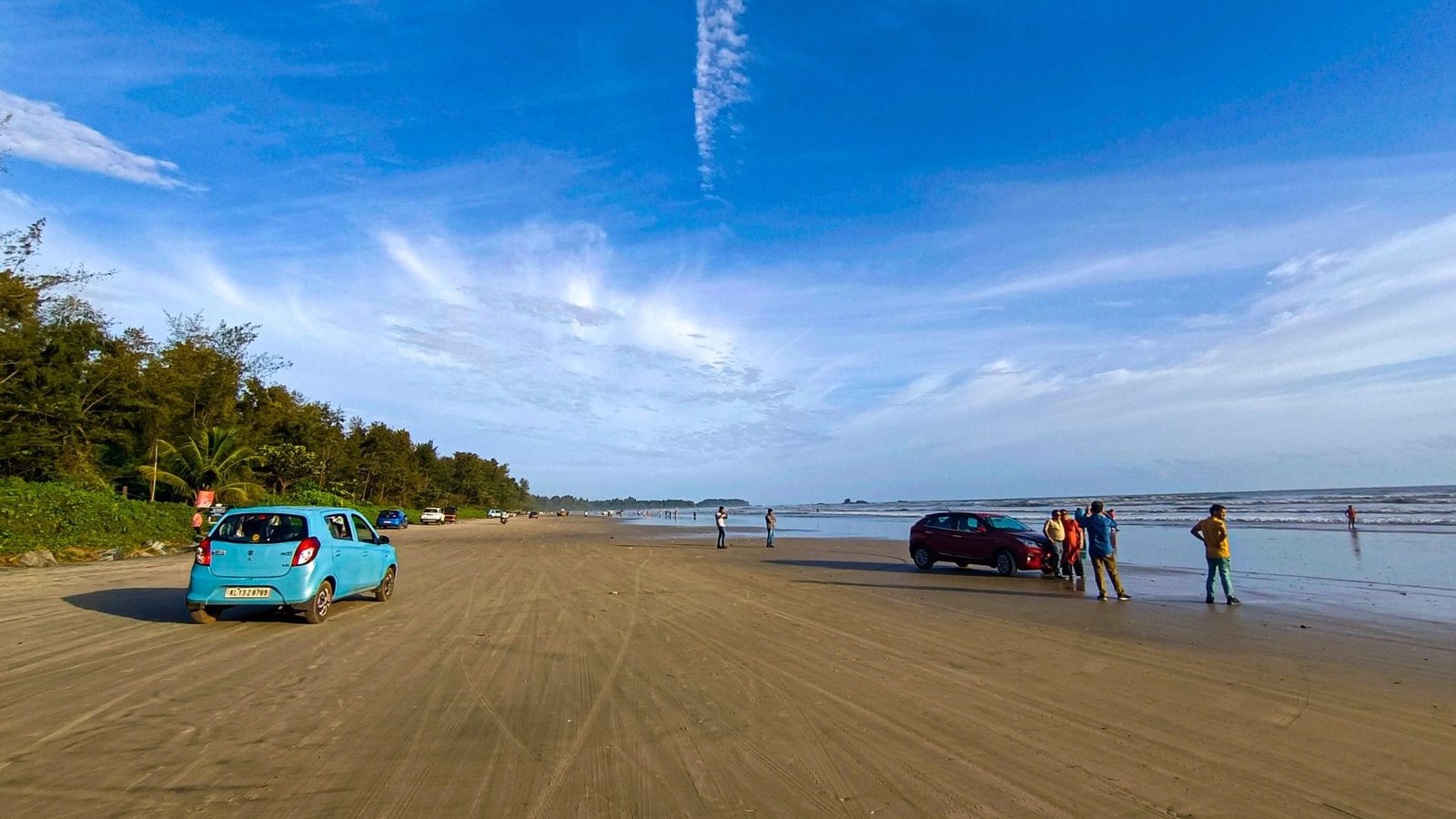
The evening arrives with the colour and noise of a working fish-and-spice market, then the sun goes down over a stretch of firm sand at Muzhappilangad — the beach you can drive along.
The day ends at a Thalassery-style Malabar biryani table.
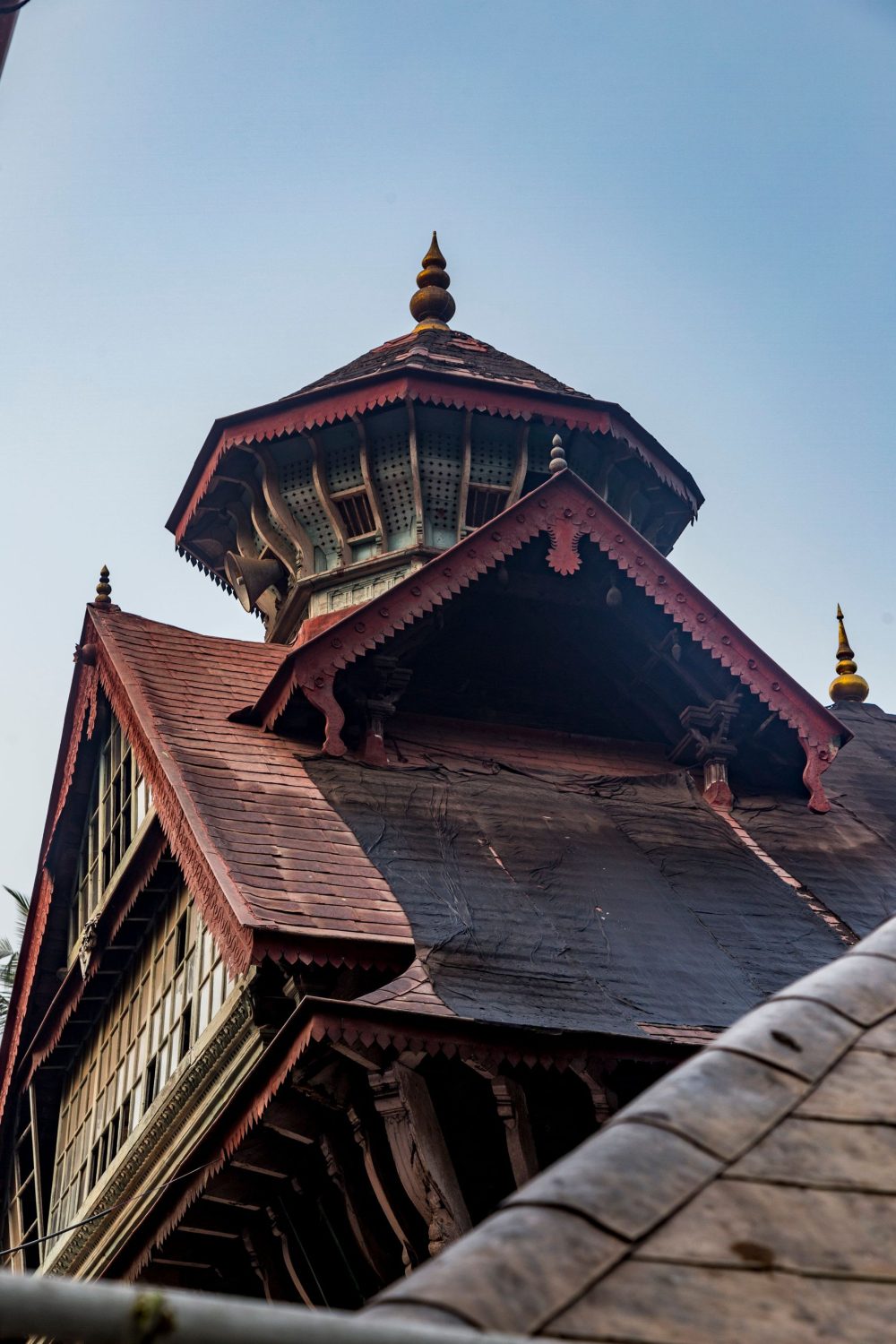
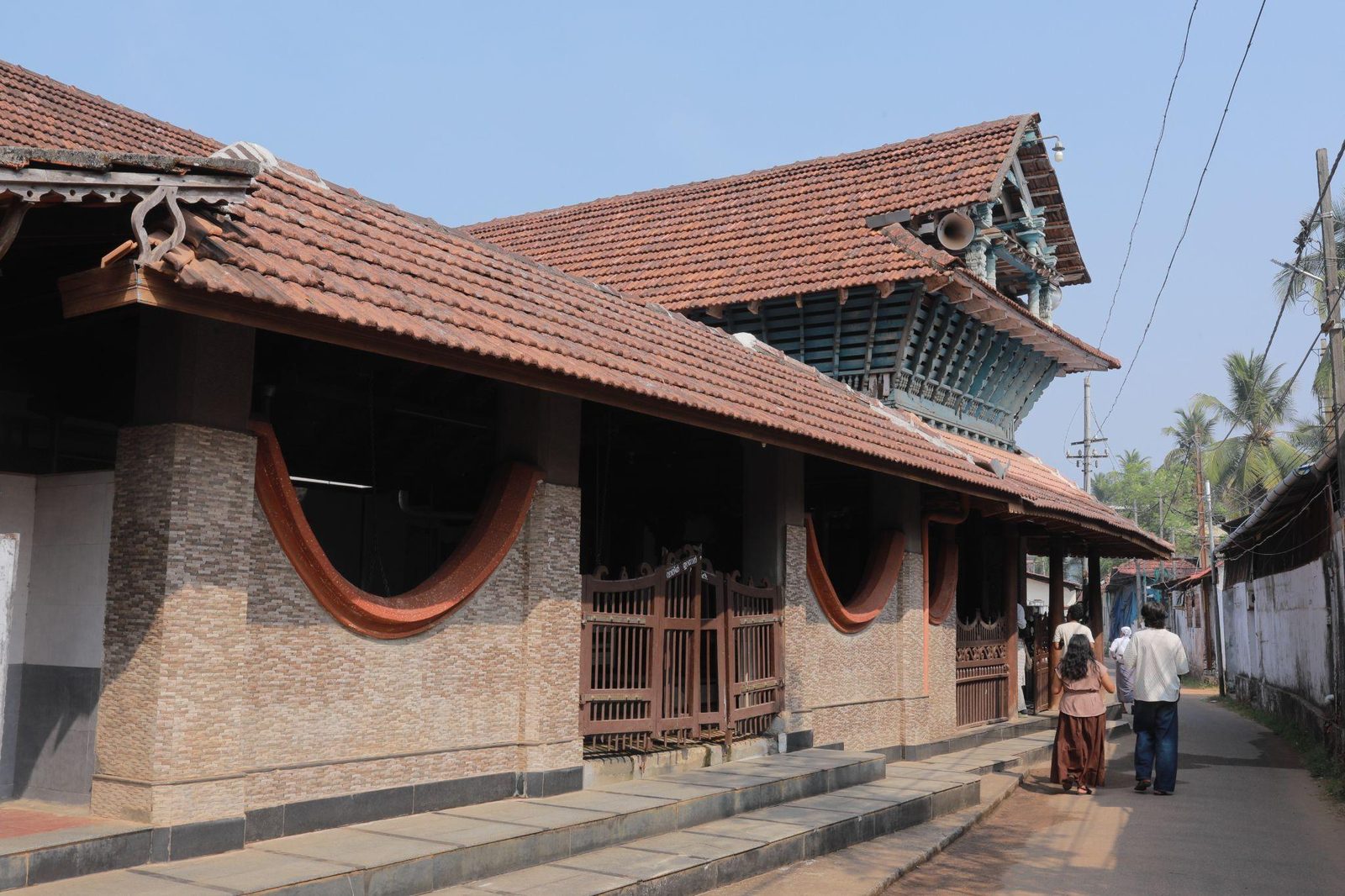
Kozhikode, a UNESCO City of Literature, opens with a heritage walk — a morning through the old quarter with a local historian, past centuries-old mosques, timber trading houses, and the lanes where the spice bazaars still run.
Lunch is at Paragon, one of Malabar's most storied kitchens. Then the day turns to the roots of traditional medicine at a century-old Ayurveda institution, where we slow down and feel how Ayurveda works on the body.
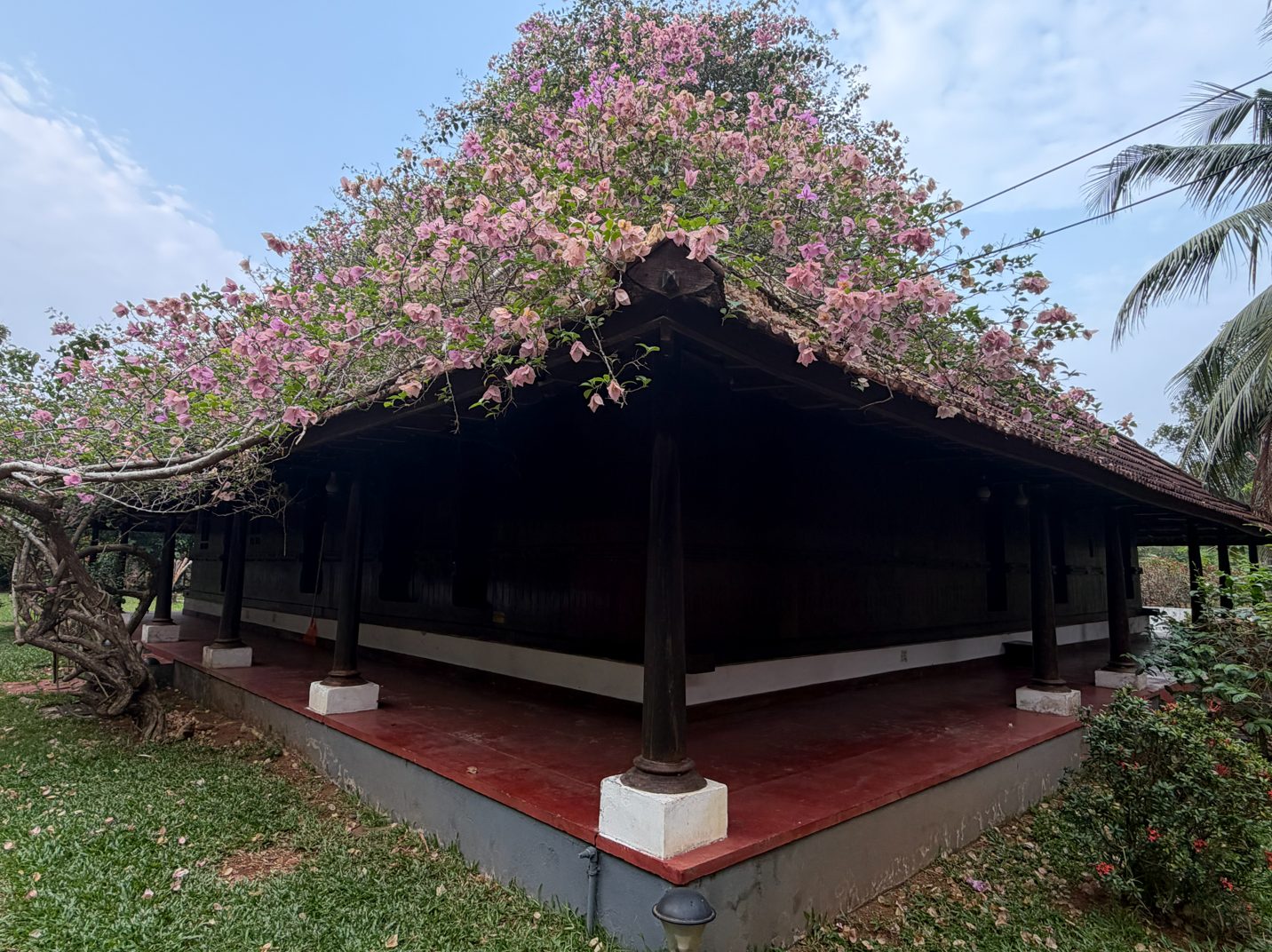
The day closes at a beautiful heritage resort.
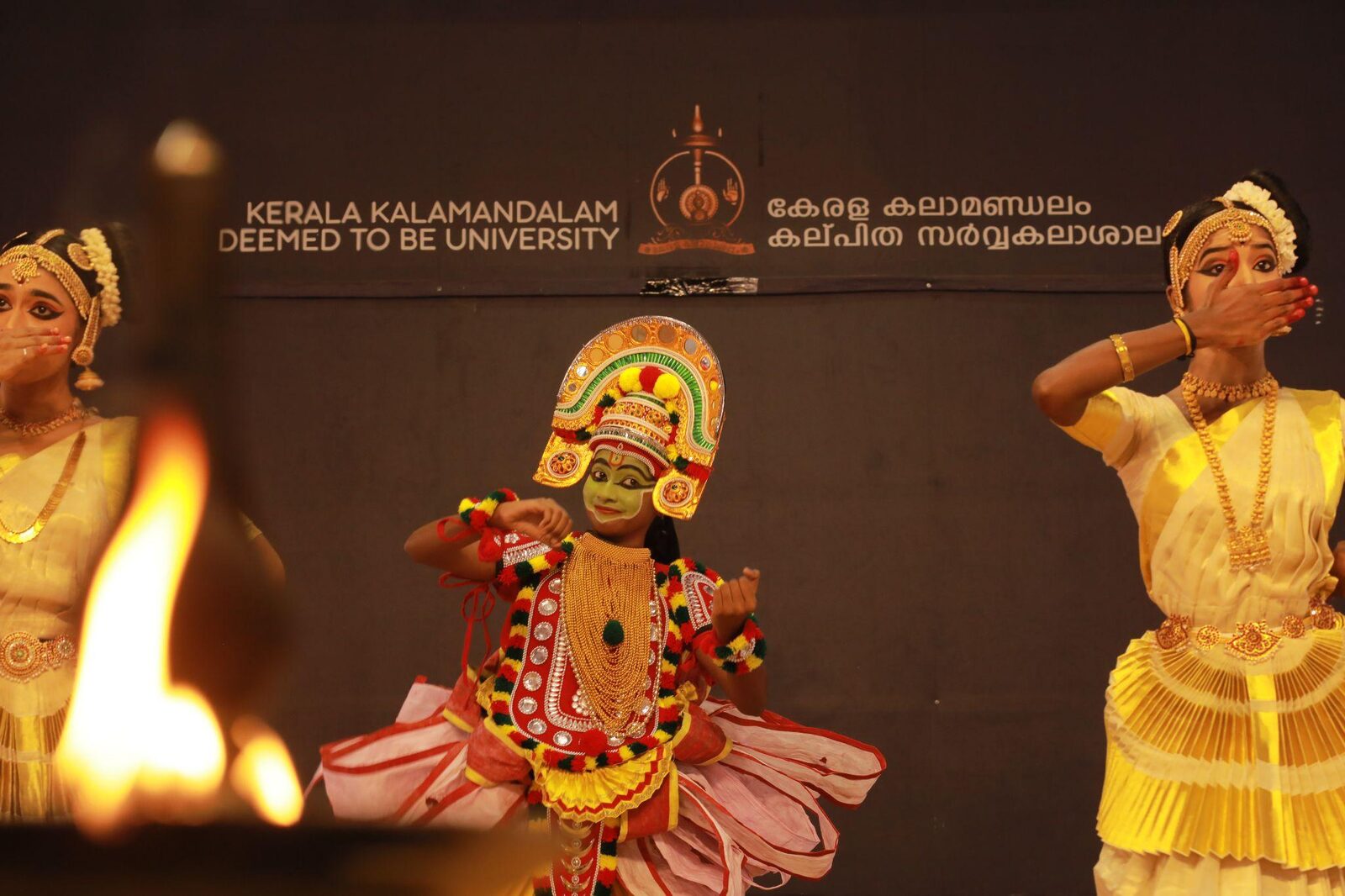
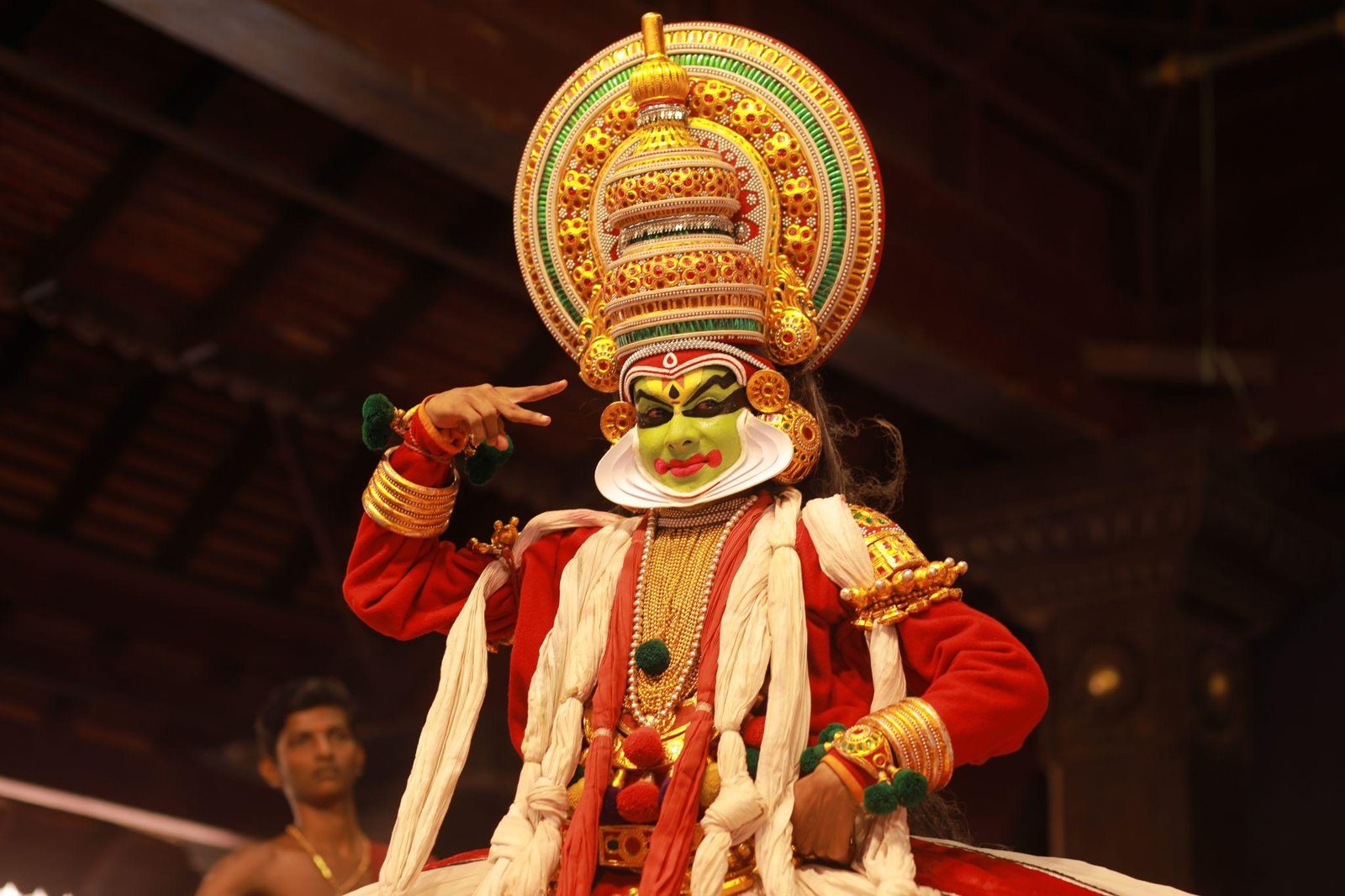
The first half of the day goes into Keralam's art and culture. It begins at the state's foremost school of classical performing arts — not as spectators, but in a workshop alongside the dancers and drummers who train here.
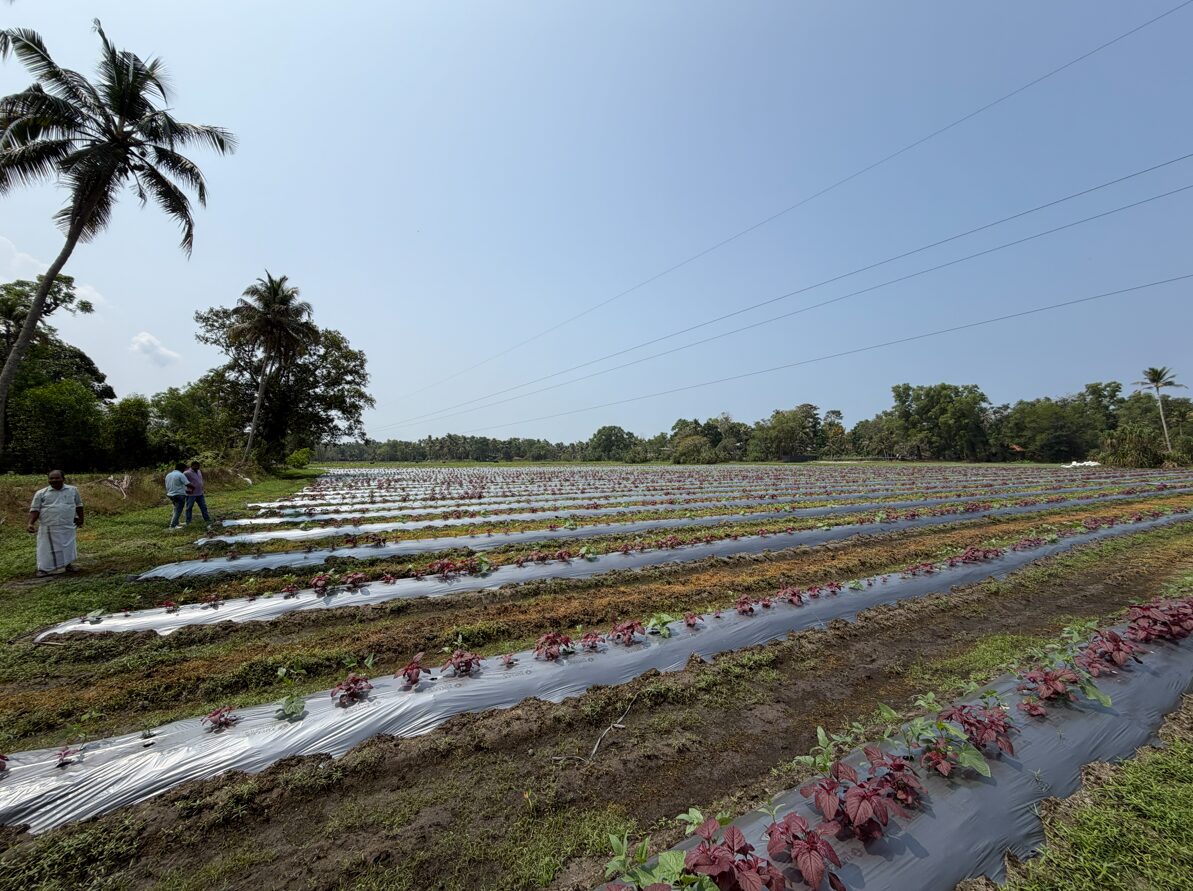
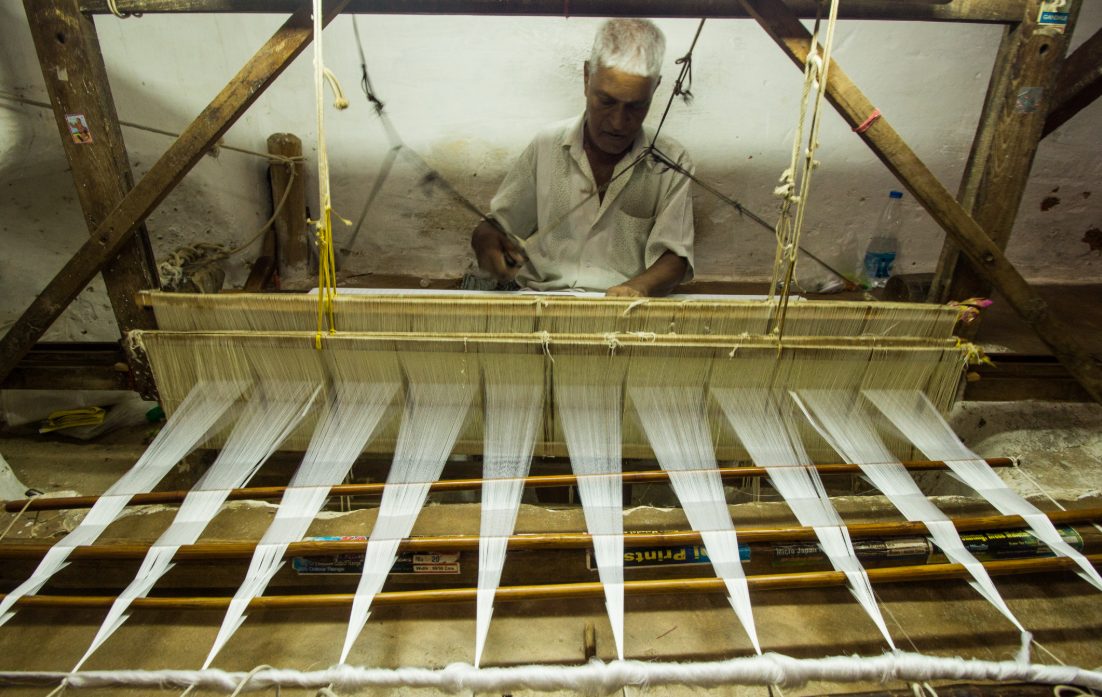
The afternoon moves to a weavers' village where Kerala's famous gold-bordered cloth is still woven by hand, and on to a working farm built around sustainable living and the food it grows.
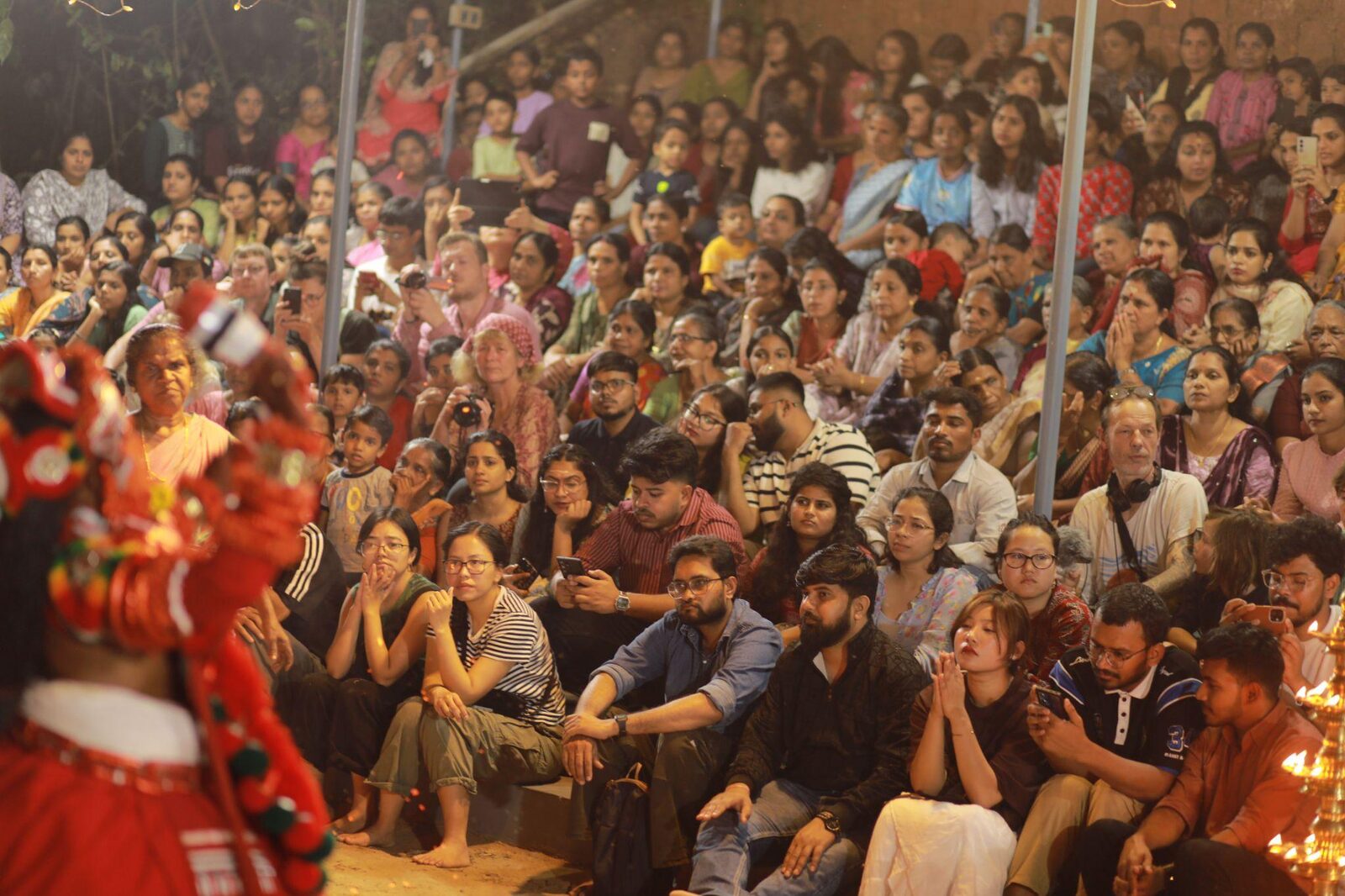
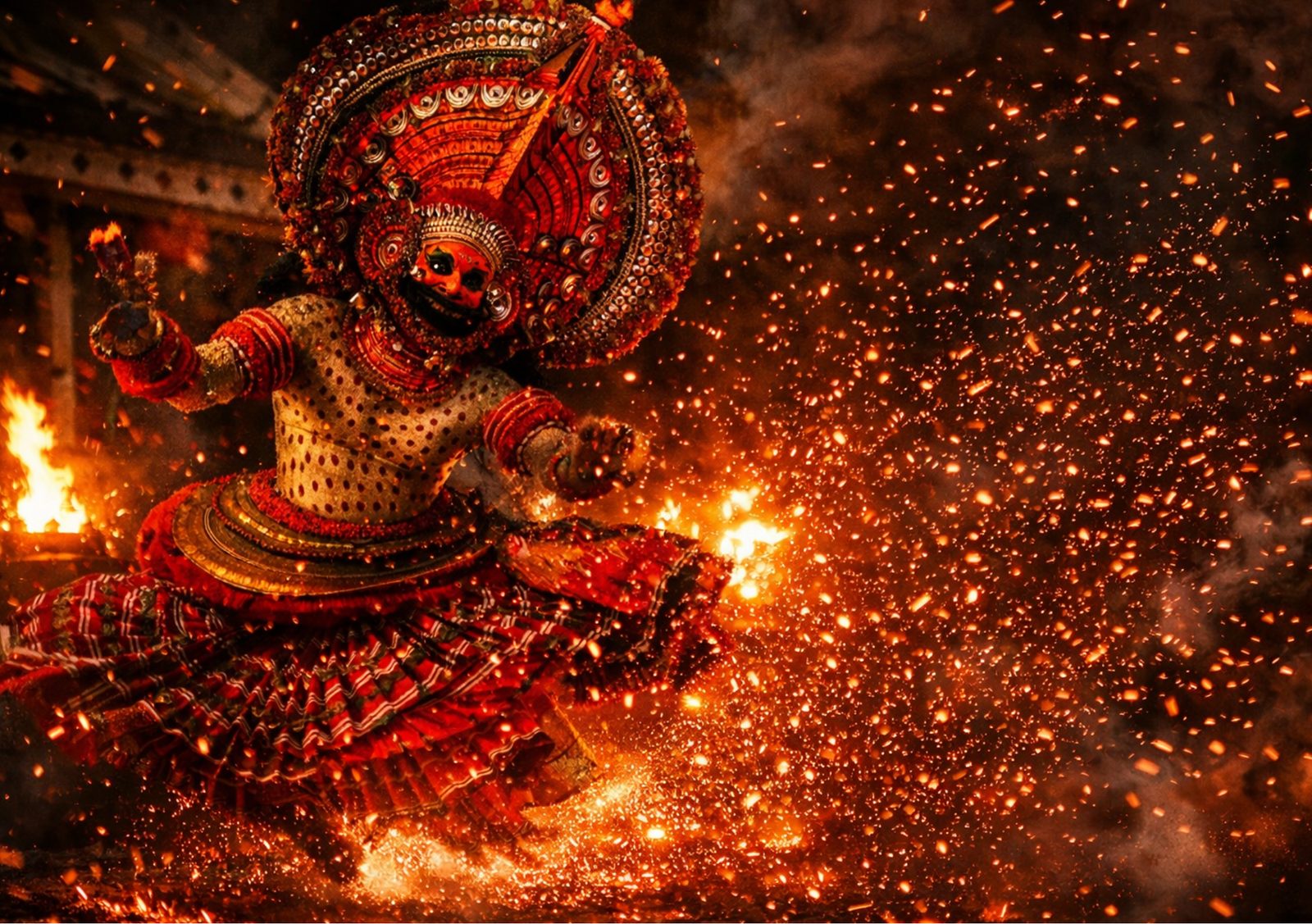
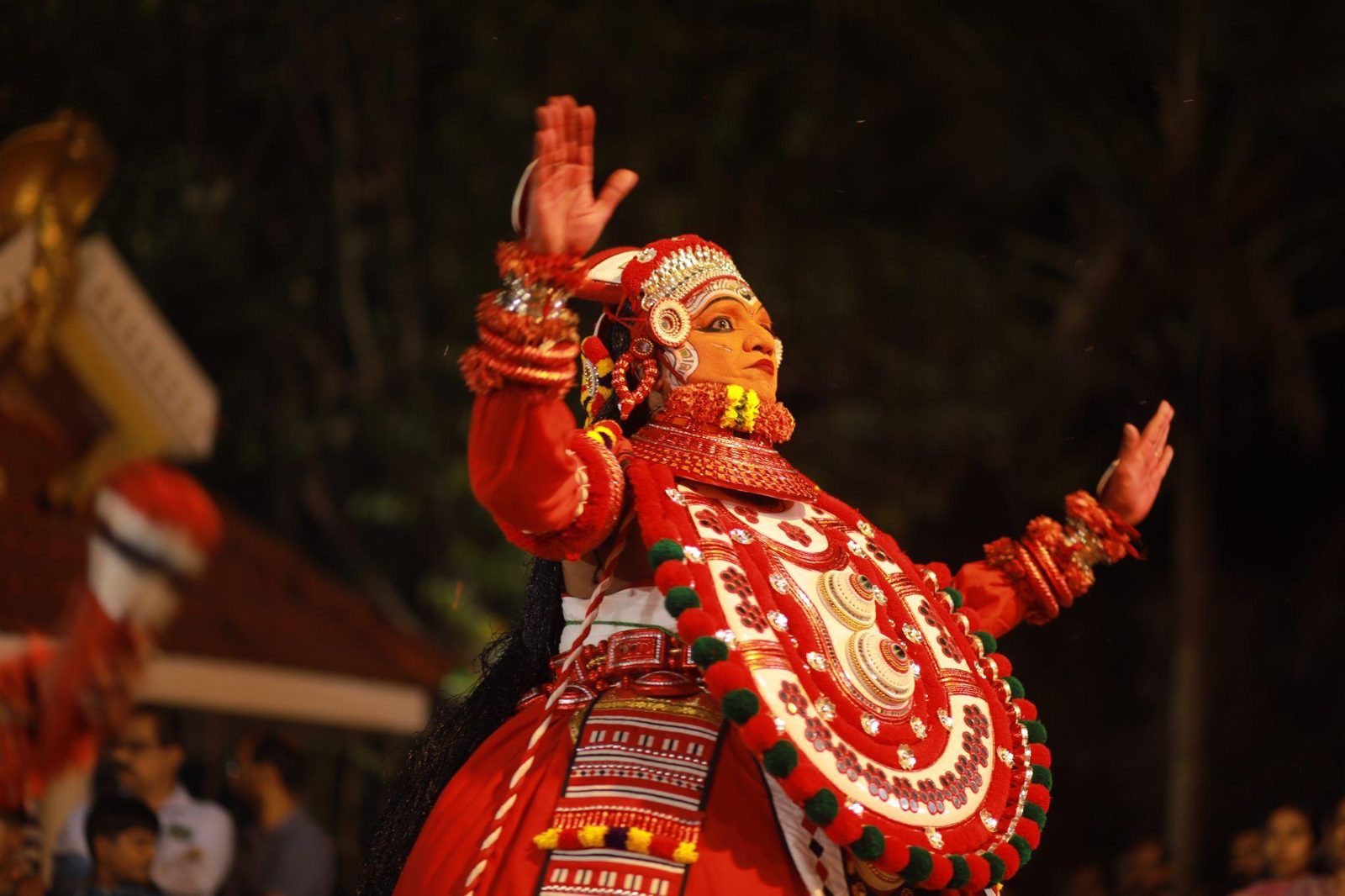
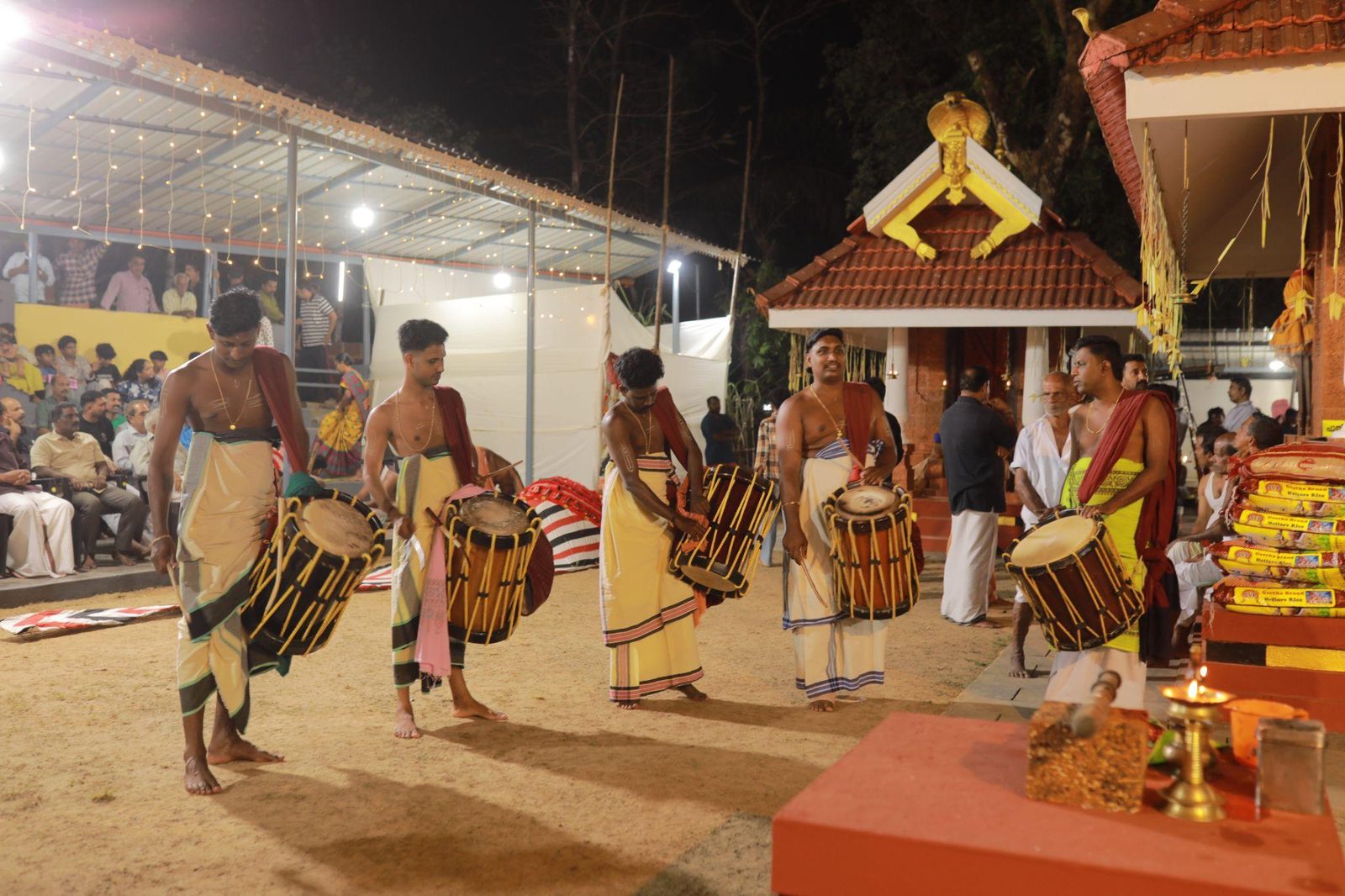
It ends after dark, over dinner, with one of Kerala's great ritual and classical performance traditions — a sacred stage that has run, unbroken, for centuries.
The morning is spent making things by hand at a crafts-and-permaculture community on the banks of the Nila.
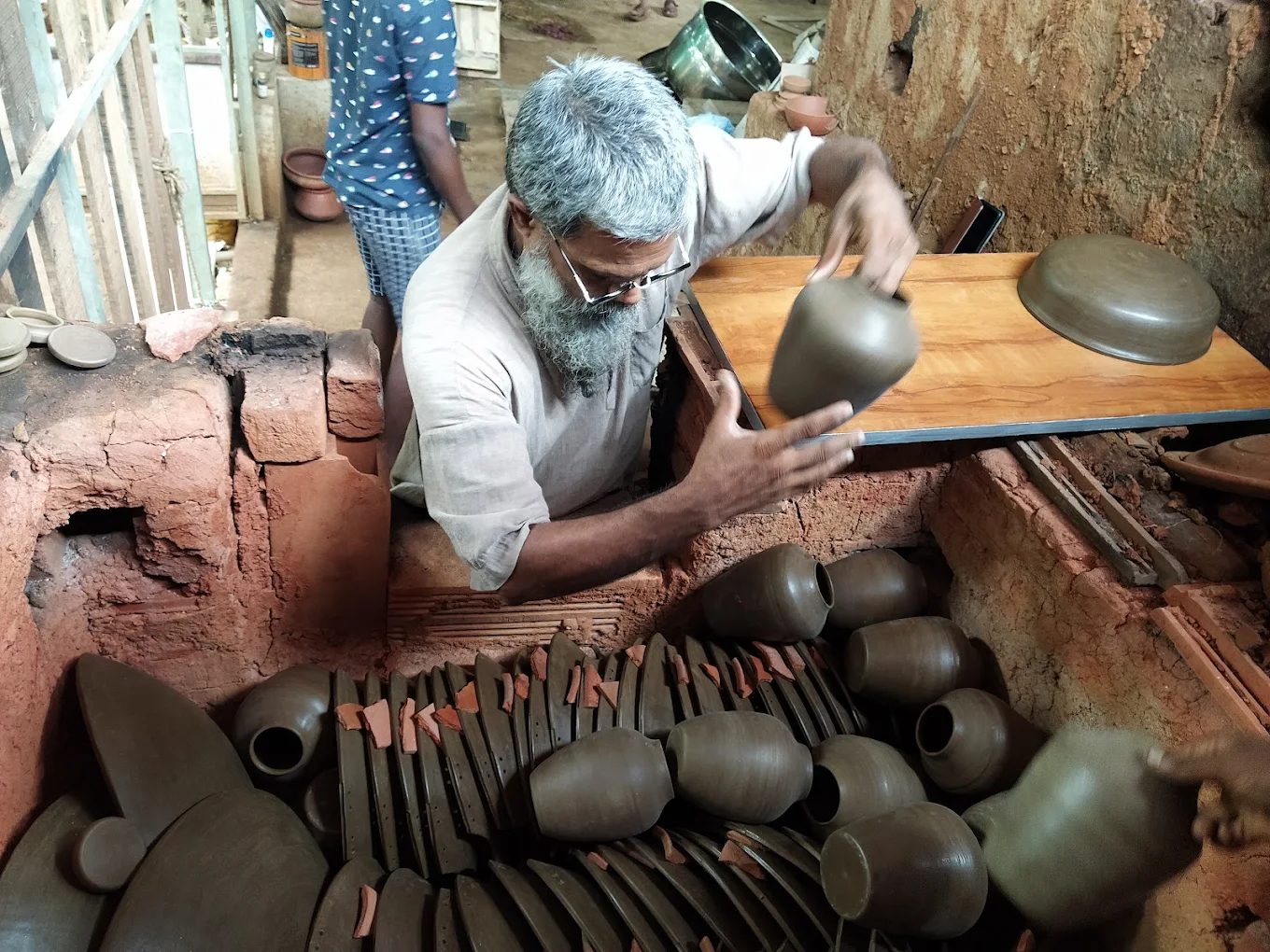
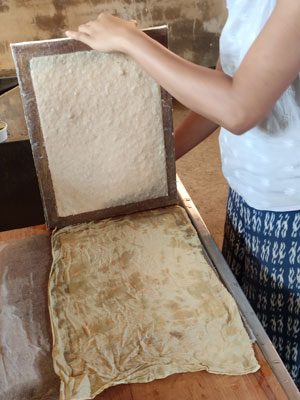
The day is yours to slow down and take part — workshops that run from mindfulness to pottery and paper-making, and a close look at how sustainability is practised here.
A slow walk along the river follows the sunset, before the road leaves for the harbour city of Kochi.
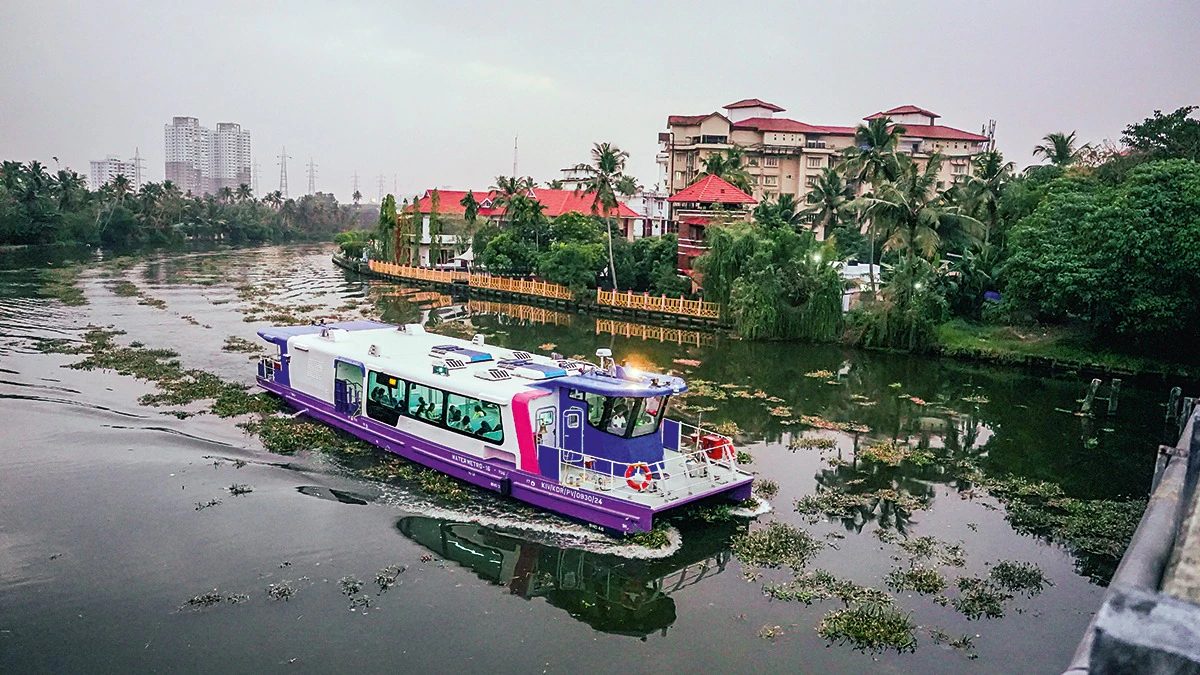
We take the water metro across to Fort Kochi and Mattancherry.
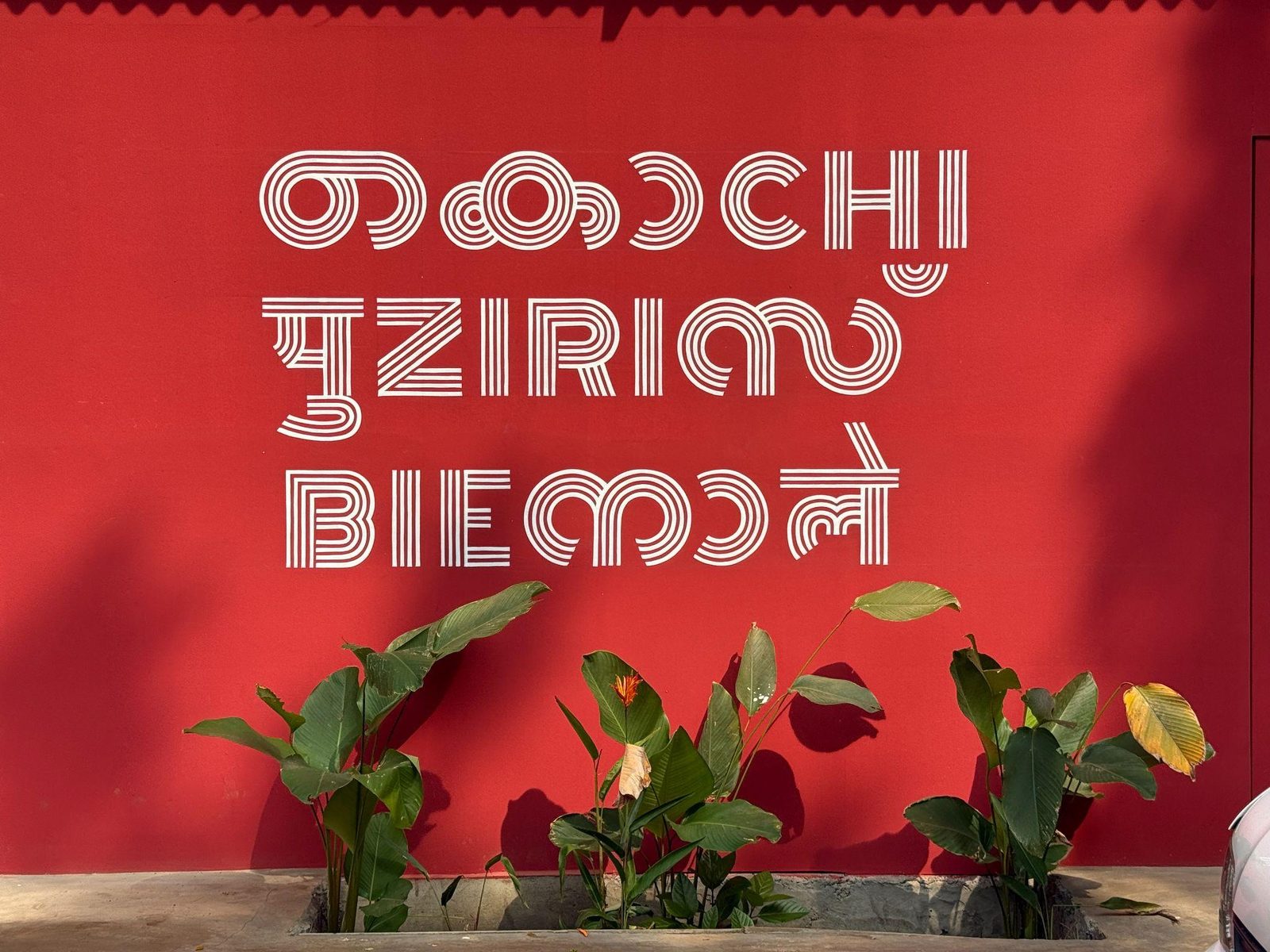
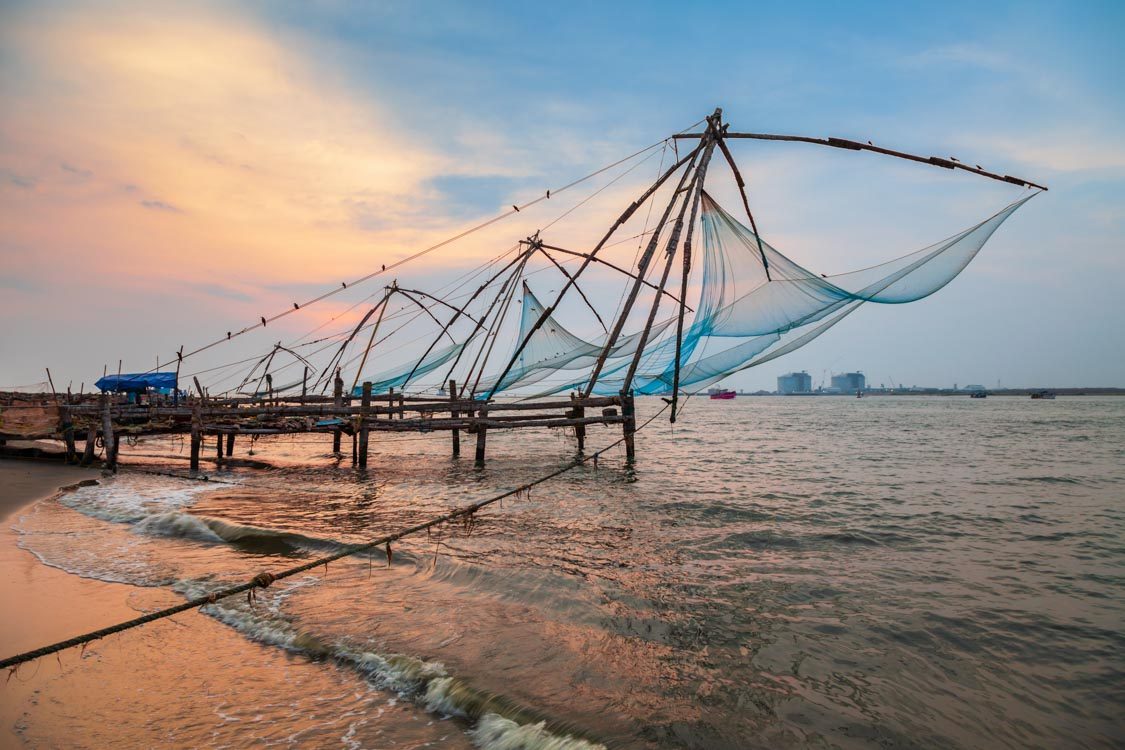
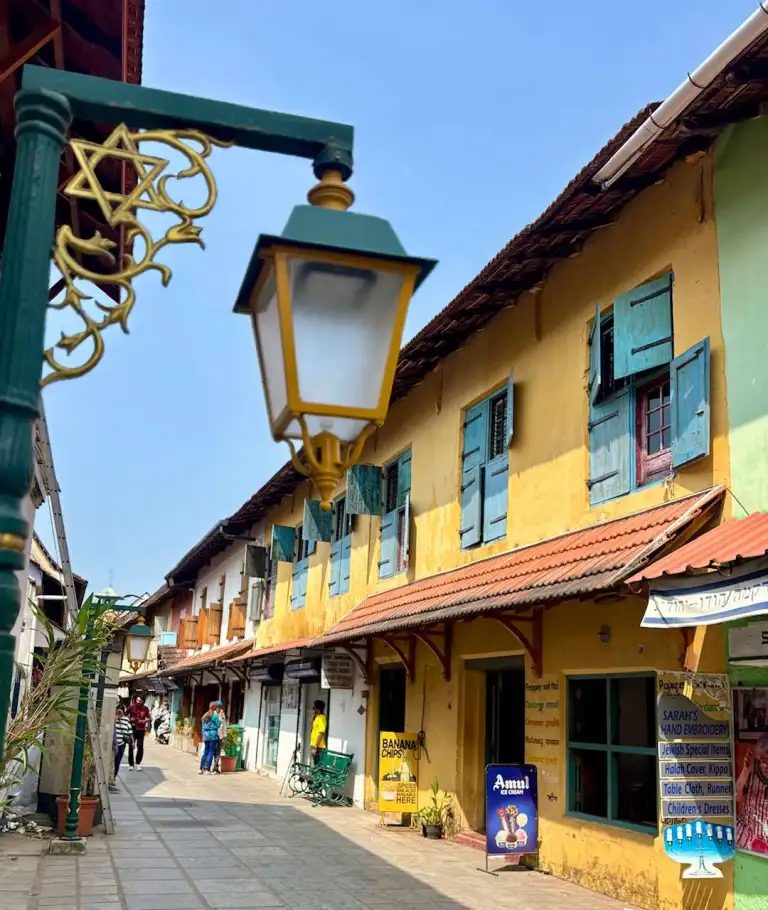
A morning art-and-heritage trail moves through the Chinese fishing nets and the old trading lanes, a Portuguese-built and Dutch-kept palace museum, and the great waterfront warehouse that becomes the flagship venue of the Kochi-Muziris Biennale — India's largest contemporary-art festival.
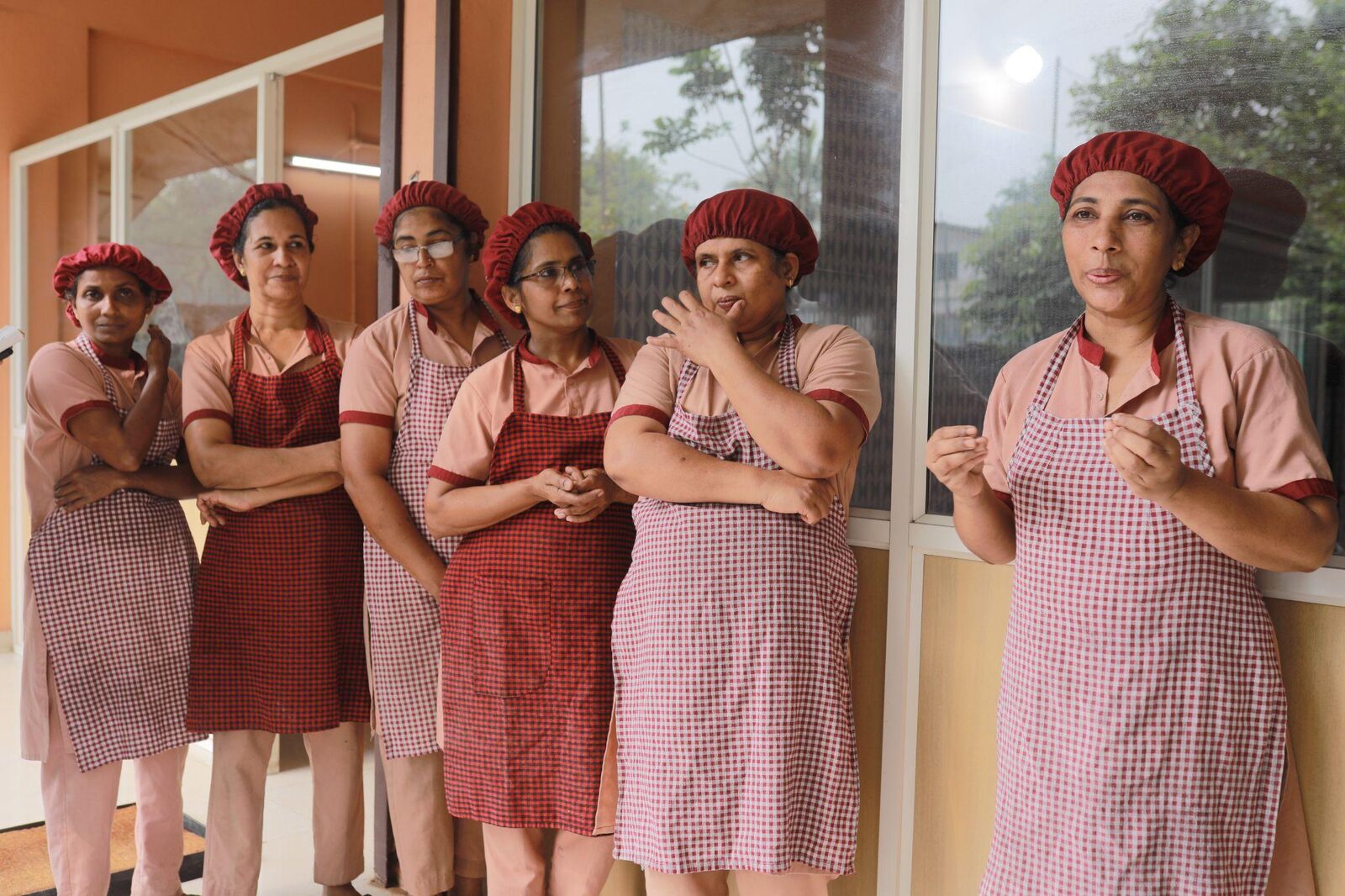
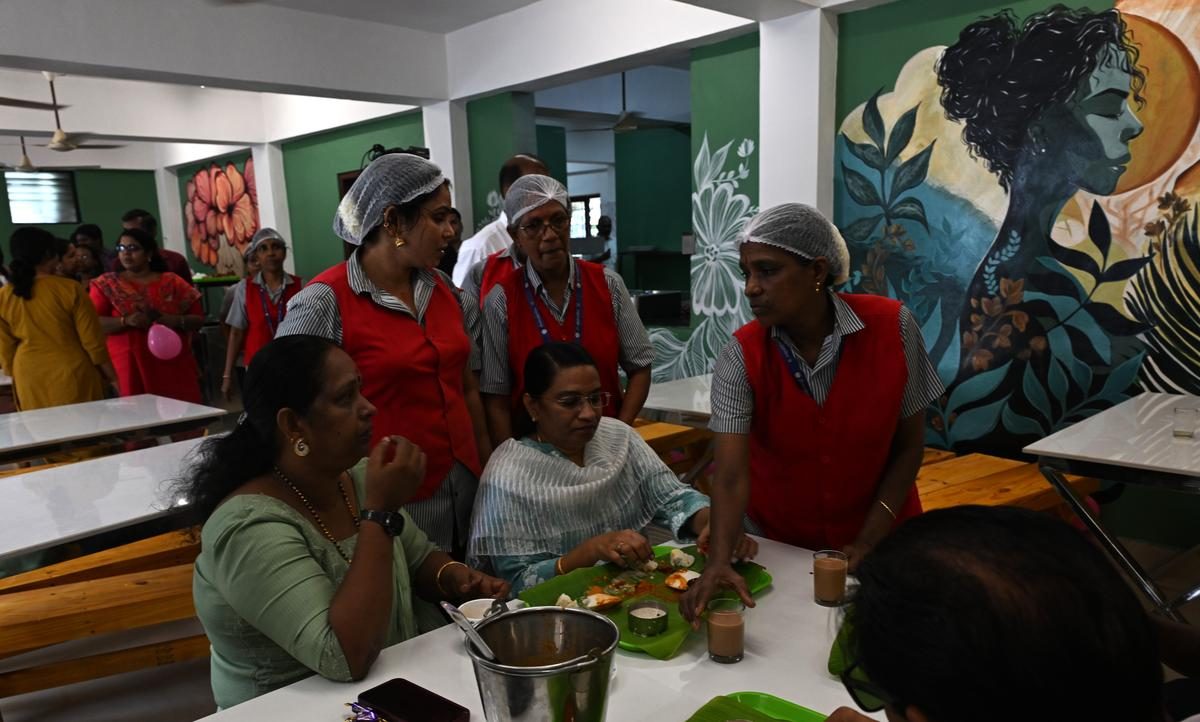
Lunch is at Kudumbashree's Samridhi café, a women's collective run by members of a nearby self-help group.
We journey from the plains up into the high ranges of the Western Ghats, where the next two days belong to forest and hills.
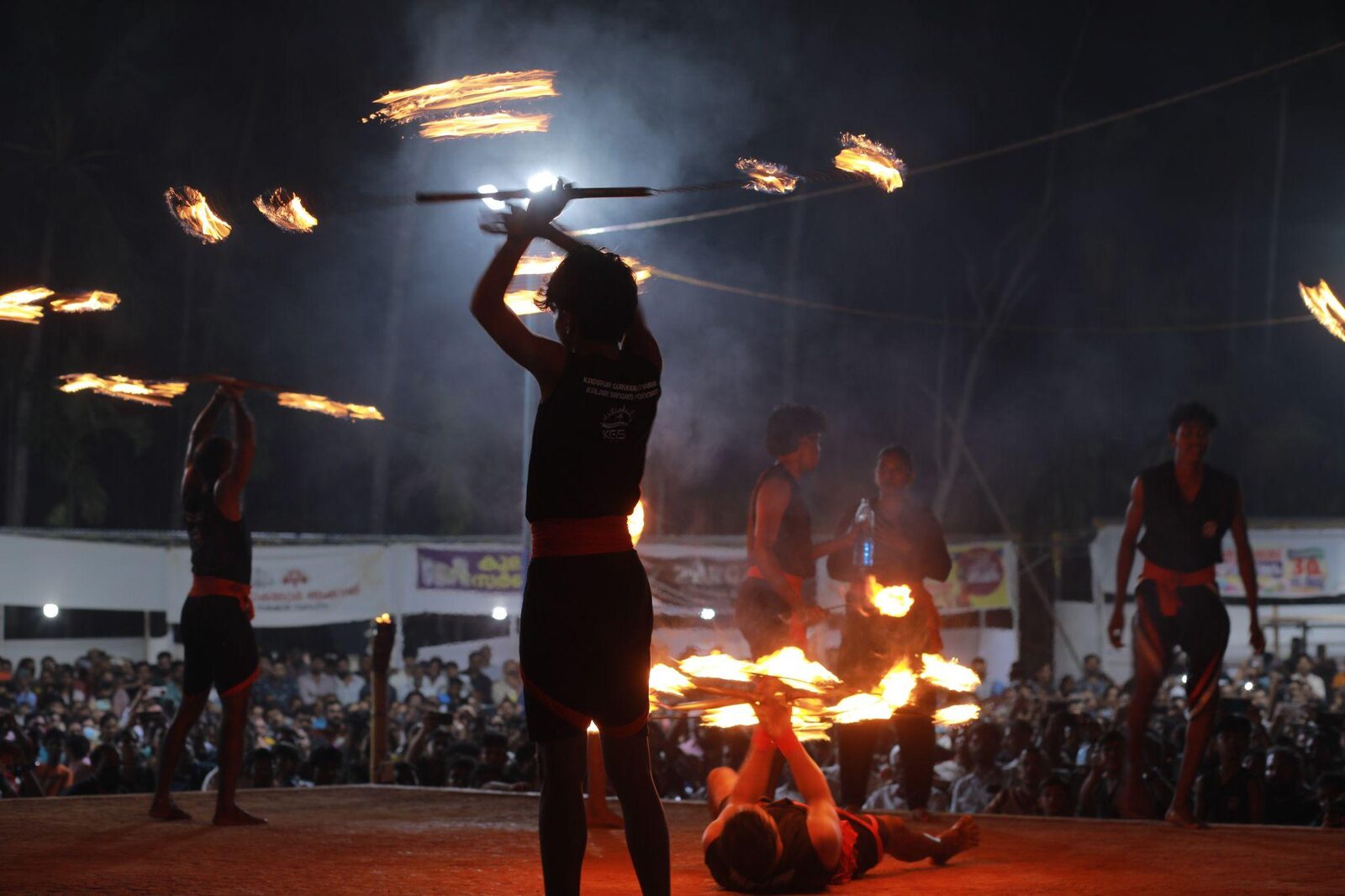
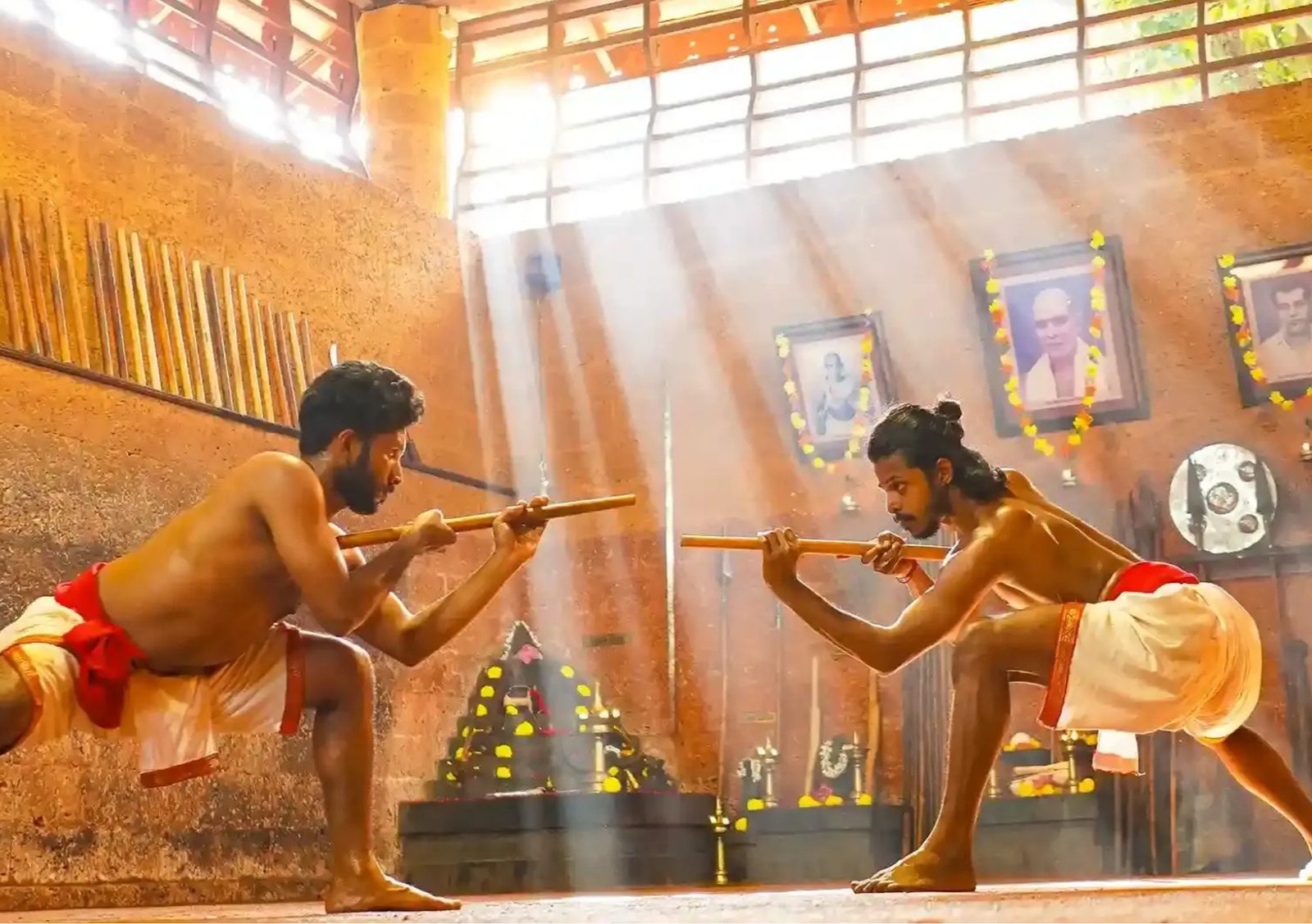
It starts at Periyar Tiger Reserve — a boat across the lake and eco-walks into the cardamom-and-pepper forest that scents these hills, for a closer look at the wild. The night is under canvas around a fire, with Kerala's most striking martial art brought close: the leaping sword-and-shield of Kalaripayattu, said to be the mother of them all.
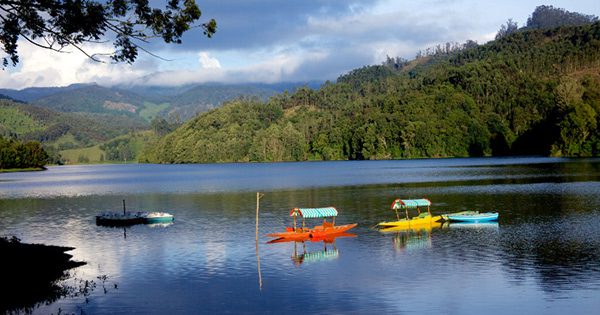
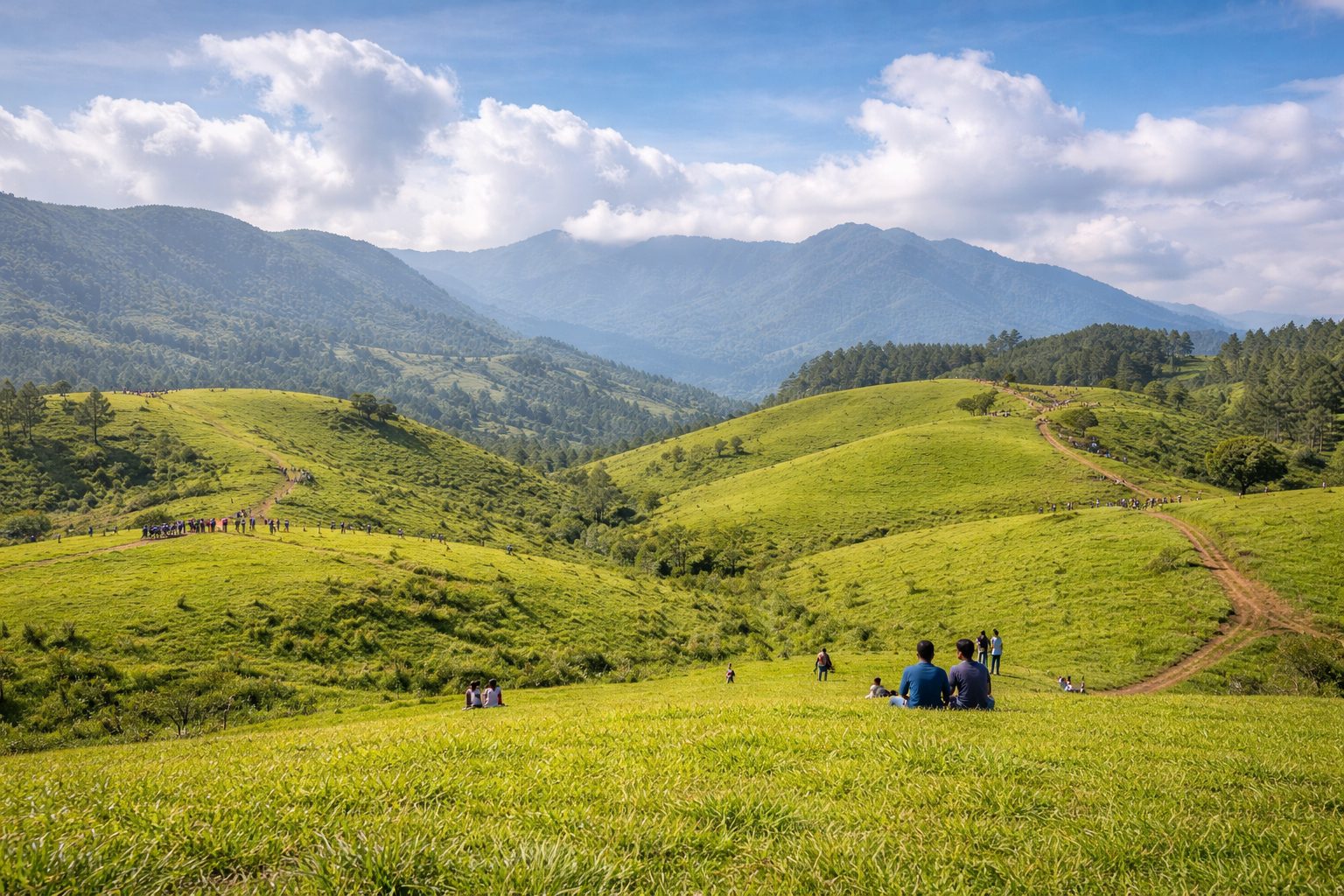
Then we travel to Vagamon, a cool plateau of pine forest, rolling meadows and quiet lakes — more Scottish highland than tropical coast — before the long descent out of the hills and down to the backwaters, ending at a Kumarakom heritage resort.
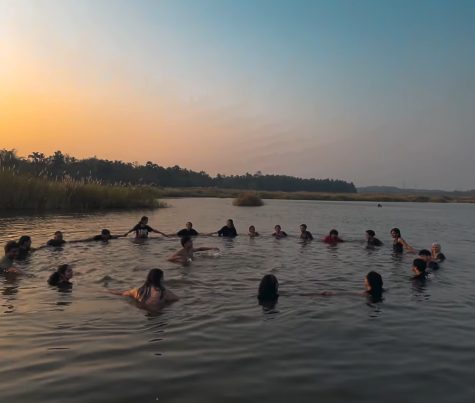
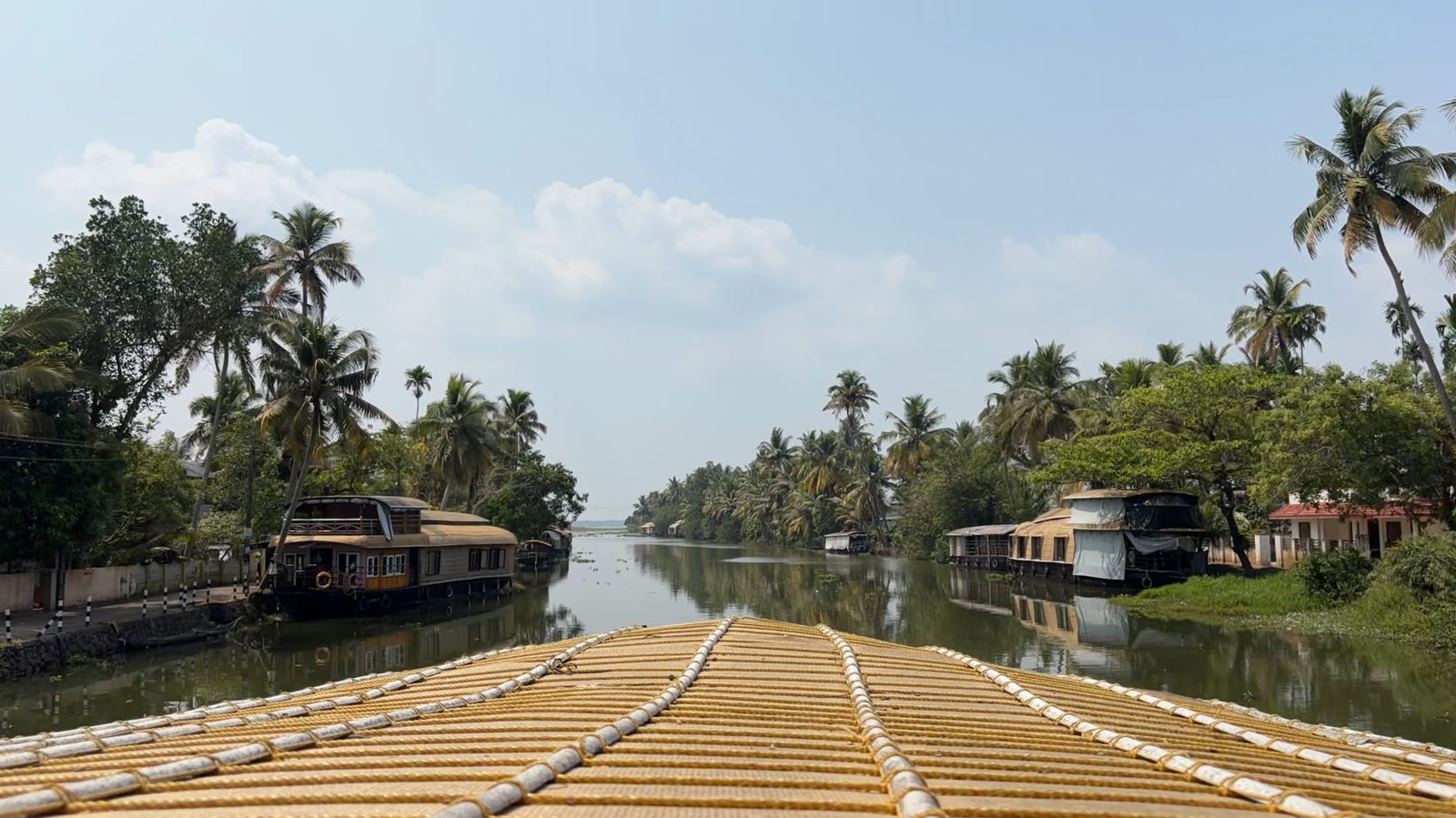
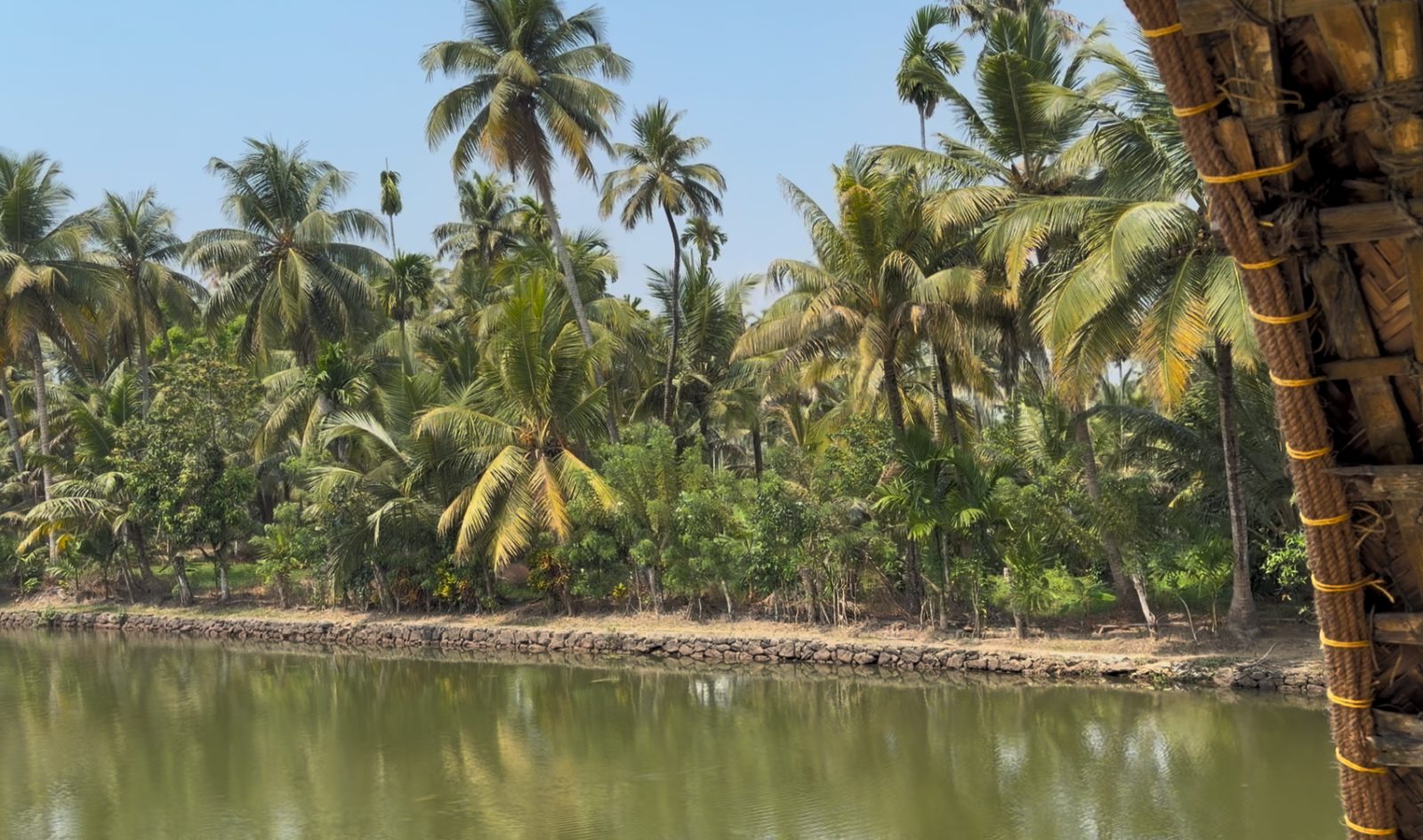
The last day trades land for water. The morning belongs to the backwater communities that made Kumarakom the model for responsible tourism in India — the families who net-fish, twist coir and weave here, the people this whole journey has been about.
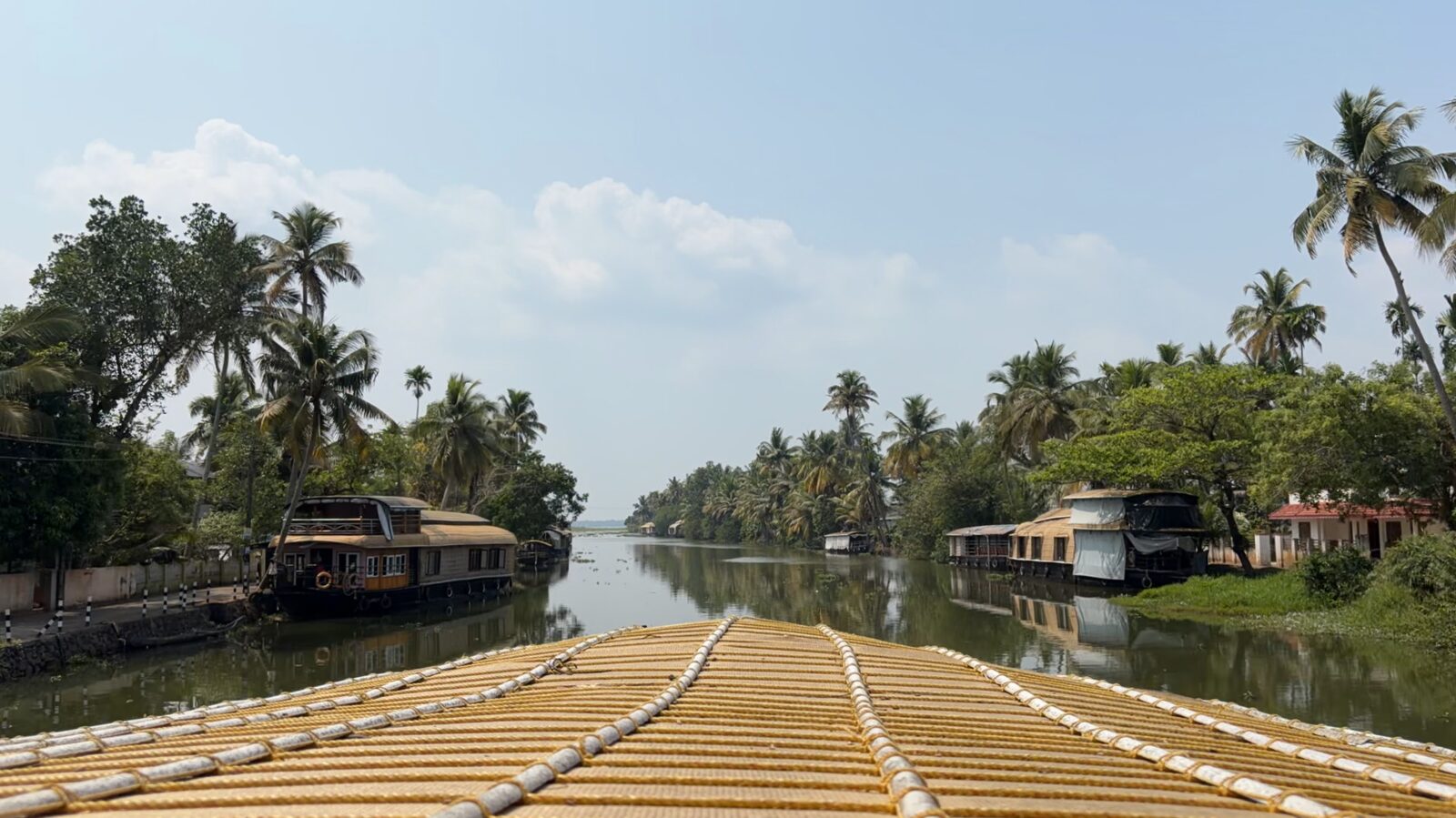
Then a houseboat carries everyone out onto the still expanse of the backwaters — lunch aboard, the banks narrowing to green, the pace slowing to almost nothing.
As the light goes, the journey turns back on itself: a reflection on the nine days and all they held, a last shared meal, and farewells. One final hug before we drop you at Kochi Airport — leaving with memories, bonds, and a promise to return.
Your seat
$1,299 twin share · $1,599 single — Jharkhand.$1,399 twin share · $1,699 single — Keralam.
All-inclusive on the ground, excludes airfare. Early-bird — rates rise as each cohort fills.
Good to know
Local, seasonal, home-cooked throughout — real ingredients, honest cooking, flavours rooted in the land and the season. Simple and nourishing. Any dietary needs (vegan, gluten-free, allergies), tell us in your first message and we'll take care of it.
Everything you need for the activities — workshop material, stationery, game props — is provided. You bring comfortable clothes, one pair of walking shoes and a small day pack. A full packing list reaches you 30 days before the cohort.
An emergency drive back to the airport from any point in the program; our team handles the logistics. Refunds for unused days are at the team's discretion — talk to us first.
Twin-shared by default, with guests of the same gender. Single occupancy on request; a supplement applies. Tell us in your first message.
Many guests add two or three days before or after the journey. We're happy to recommend guesthouses and sort the logistics.
Not ready to book? Follow @the_great_indianjourney on Instagram — and come back when the timing is right.